Pay in installments of $6.59 with
 ,
,
 and
and

Shipping Estimate
USA
- USA
- CAN
- USA
- CAN
Ships within 48 hours · Estimated delivery Sep 23 - Sep 28
 Promo Codes Available:
For Your Every Summer RSVP, with Code: SUMMER15
Description
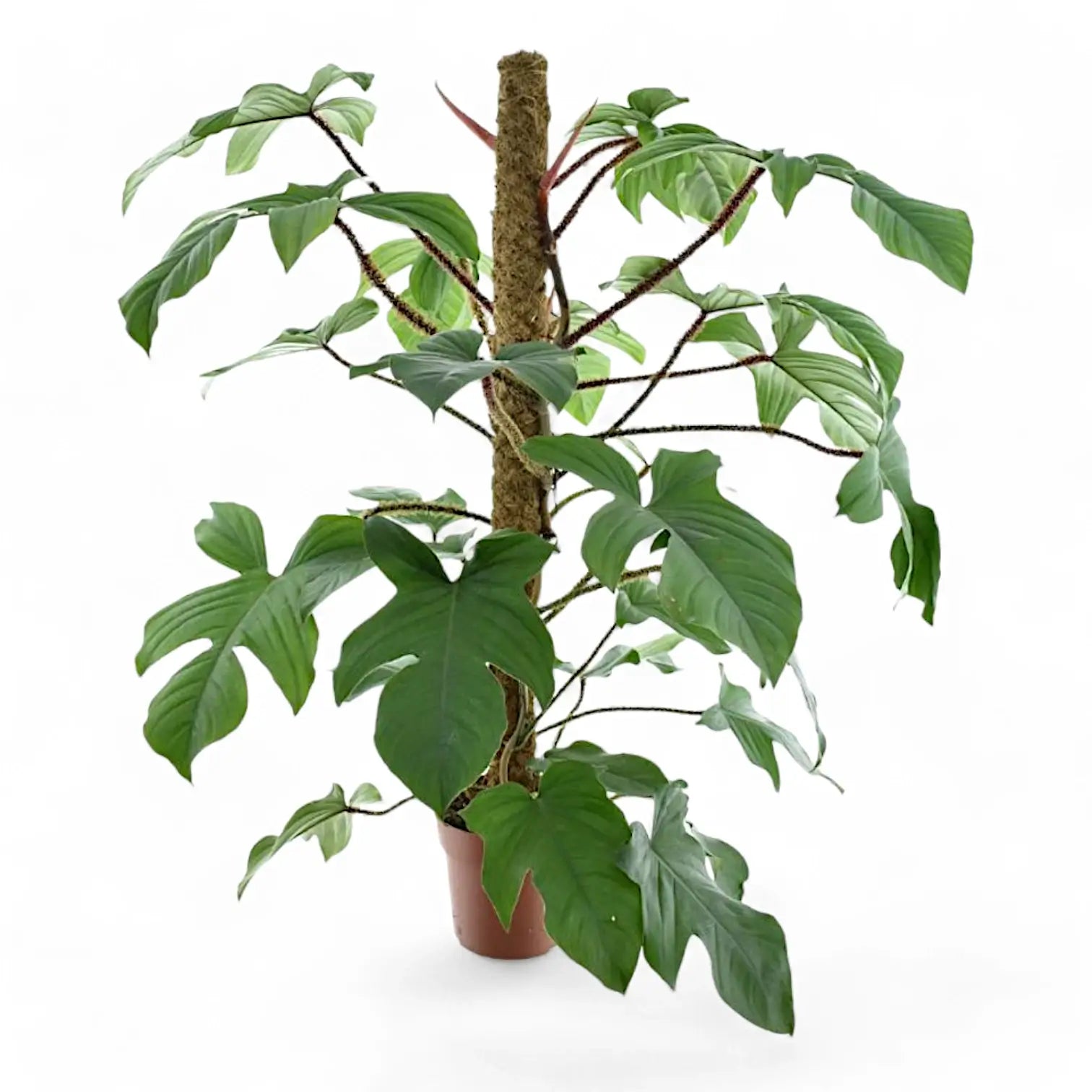
philodendron squamiferum soil Philodendron squamiferum – Foliage FactoryPhilodendron squamiferum Philodendron squamiferum combines green climbing foliage with red, bristly petioles. Young plants can produce simpler leaves, while mature climbing growth develops a more divided outline. The plant grows from a climbing stem with nodes and aerial roots. A pole guides the stem upward, while open space around the support lets the lobed blades expand. Red bristly petioles and mature lobing in Philodendron squamiferum Petioles:
Philodendron squamiferum
Philodendron squamiferum combines green climbing foliage with red, bristly petioles. Young plants can produce simpler leaves, while mature climbing growth develops a more divided outline.
The plant grows from a climbing stem with nodes and aerial roots. A pole guides the stem upward, while open space around the support lets the lobed blades expand.
Red bristly petioles and mature lobing in Philodendron squamiferum
- Petioles: Red bristly petioles add texture below the leaf blades.
- Leaf shape: Green leaves become more lobed as the plant matures.
- Growth habit: Climbing stem with aerial-root development at the nodes.
- Juvenile growth: Young leaves may be simpler before mature lobing becomes clearer.
- Indoor outline: Upright growth leaves open space for lobed leaves around the climbing stem.
- Origin: A botanical species recorded from the Guianas and northern Brazil in wet tropical conditions.
How Philodendron squamiferum develops on support
Philodendron squamiferum is a climbing species with red bristly petioles and leaves that become more divided as the plant matures. When aerial roots attach to a coarse surface, the stem can climb upward and leave more space for the lobed blades.
The red bristly petioles sit below the leaves along the upright stem. A vertical surface also keeps mature foliage from crowding the pot as the stem gains height.
Philodendron squamiferum care for climbing growth
- Light level: Keep it in bright indirect light so developing leaves receive enough light with lower scorch risk.
- Watering: Let the upper substrate partly dry between waterings, especially when room temperatures are lower.
- Humidity: Moderate to high humidity helps new lobed leaves expand with fewer dry edges.
- Temperature: Warm, stable conditions keep new roots and climbing nodes active.
- Potting mix: Use a chunky mix to keep oxygen around the roots after watering.
- Climbing support: A moss pole or coarse vertical surface lets aerial roots attach as the stem climbs.
- Repotting: Repot when the root system fills the pot or the support can no longer hold the stem securely.
- Fertilising: Feed lightly during active growth, especially when the plant is producing larger lobed leaves.
- Pruning: Remove damaged foliage and guide side shoots back toward support before the stem becomes awkward to train.
- Semi-hydroponics: Mineral culture can work if the roots are well aerated and the climbing stem remains stable above the pot.
Philodendron squamiferum leaf and root problems
- Simple new leaves: Low light, weak attachment or juvenile growth can keep leaves less divided.
- Brown tips: Check humidity and watering consistency before increasing water volume.
- Root rot: Wet, compacted substrate can damage roots and yellow older leaves.
- Aerial roots: Smooth supports may not give aerial roots enough grip as the stem gains weight.
- Crowded foliage: Lobed leaves can mark or bend if the plant is pressed against shelves or neighbouring plants.
- Pests: Inspect bristly petioles, leaf backs and new growth for mites, mealybugs and scale.
Philodendron squamiferum safety
Philodendron squamiferum contains irritating calcium oxalate crystals and should not be chewed or ingested.
Published description and name of Philodendron squamiferum
Philodendron squamiferum was described by Eduard Friedrich Poeppig and published in Nova Genera ac Species Plantarum in 1845. The species name squamiferum means scale-bearing, matching the bristly texture on the petioles.
With a stable support, Philodendron squamiferum can mature from simpler juvenile leaves into more lobed foliage on an upright stem.
Shipping Notes
- Free Standard Shipping on $100+ Orders to the USA.
- Except Preorder products are shipped in 48 hours.
- Delivery to the USA:
- Standard Shipping : 3-10 business days
- If time is of the essence, please consider selecting expedited delivery for faster service.
Exchange/Return Notes
- We offer a 30-day return/exchange service after receiving.
- Final sale items are not eligible for returns or exchanges.
- To process your return/exchange, please contact us at [email protected]
- Please click here for more details>>> Return & Exchange Policy