Pay in installments of $5.27 with
 ,
,
 and
and

Shipping Estimate
USA
- USA
- CAN
- USA
- CAN
Ships within 48 hours · Estimated delivery Aug 7 - Aug 12
 Promo Codes Available:
For Your Every Summer RSVP, with Code: SUMMER15
Description
philodendron gigas propagation Philodendron gigas – Foliage FactoryPhilodendron gigas Philodendron gigas is a Panamanian climbing Philodendron whose juvenile and mature leaves can look noticeably different. Young plants usually show smaller, deep green, velutinous leaves. Mature plants can produce much larger ovate to narrowly ovate blades on long petioles, with fresh leaves sometimes opening bronze or coppery before hardening darker. This species grows as a wet forest liana in Panama. Its appressed climbing stems
Philodendron gigas
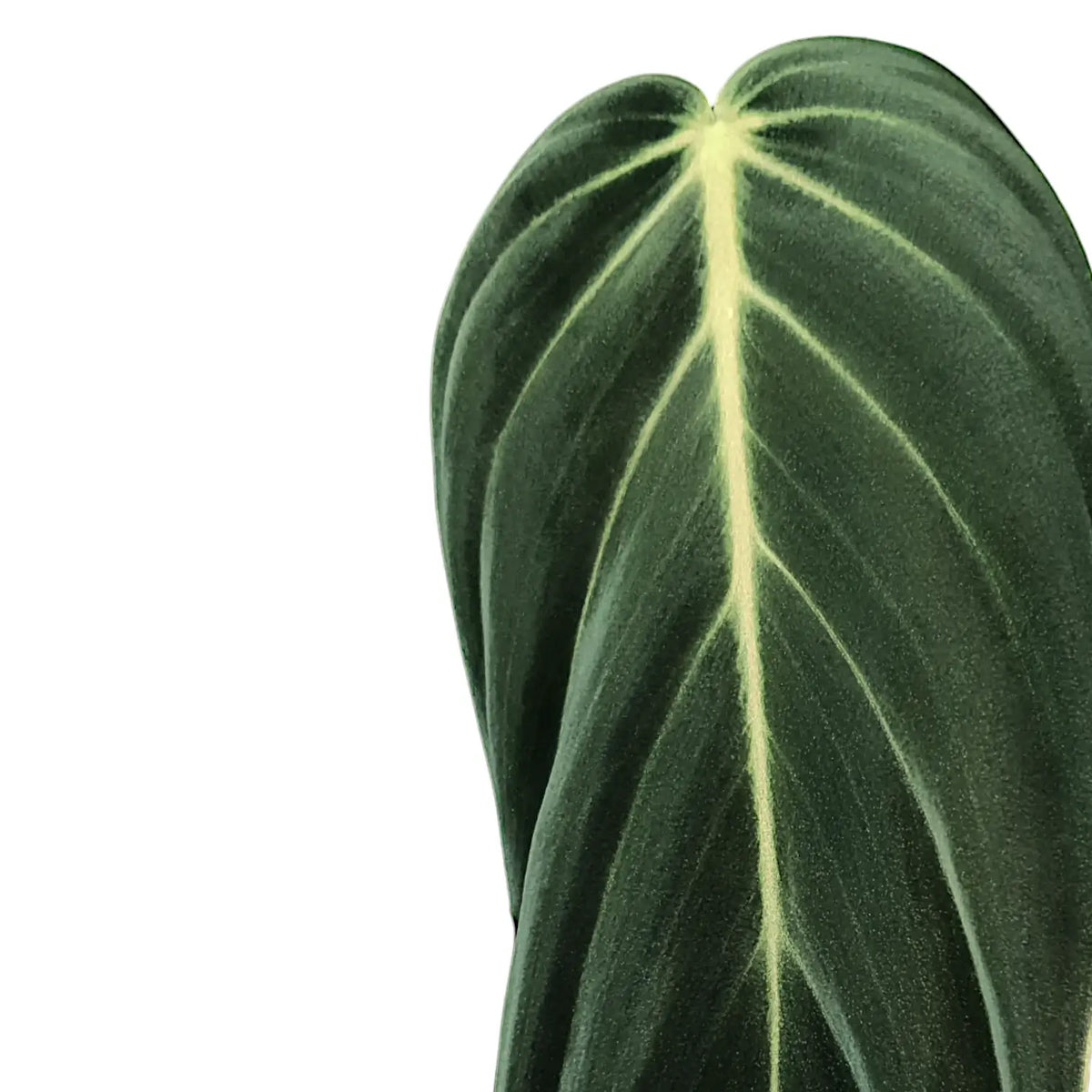
Philodendron gigas is a Panamanian climbing Philodendron whose juvenile and mature leaves can look noticeably different. Young plants usually show smaller, deep green, velutinous leaves. Mature plants can produce much larger ovate to narrowly ovate blades on long petioles, with fresh leaves sometimes opening bronze or coppery before hardening darker.
This species grows as a wet-forest liana in Panama. Its appressed-climbing stems have short, thick internodes, semi-persistent cataphylls and velvety, moderately leathery leaf blades. Young plants stay smaller at first, then open up as the stem attaches and adult foliage develops.
Philodendron gigas juvenile and mature leaf traits
- Juvenile leaves: Young plants usually carry smaller, dark green, velvety leaves before the adult shape develops.
- Mature blades: Adult plants can develop larger ovate to narrowly ovate leaves with a matte upper surface.
- Petioles: Long, near-round petioles carry the larger adult leaves away from the climbing stem.
- Growth habit: An appressed-climbing stem benefits from a pole, plank or rough vertical surface.
How Philodendron gigas develops with age
Philodendron gigas can look restrained when young because the juvenile leaves have not yet reached their adult size or shape. As the plant matures, the blades lengthen, the velvety surface becomes more pronounced and the petioles create a more open climbing outline.
Young stems can be less firmly attached until aerial roots find a suitable surface. A moss pole, plank or rough support gives those roots a place to anchor and helps the plant carry its larger foliage more steadily.
Care for Philodendron gigas as a velvet liana
- Support: Add a pole or board early so aerial roots can attach as the stem lengthens.
- Light: Place in bright indirect light; too much direct sun can mark the velvety leaf surface.
- Humidity: Higher humidity helps new velvet leaves expand with fewer stuck edges.
- Watering: Water after the upper 25–30% of the mix has dried, keeping the root zone evenly moist but airy.
- Substrate: Use bark, coco chips, perlite and a moisture-holding base for drainage with some even moisture.
- Temperature: Keep warm, ideally 19–28 °C, and protect from cold windows in winter.
- Feeding: Use a balanced fertiliser during active growth to support larger leaves and steady stem extension.
- Potting: Use a pot with drainage and repot when roots have filled the container or the climbing support becomes unstable.
- Propagation: Propagate from stem cuttings with at least one viable node; single leaves without a node will not produce a new plant.
- Pruning: Cut above a node to shorten the vine or redirect growth, and remove damaged leaves without rubbing the velvety surface.
- Semi-hydroponics: Can adapt to mineral substrates such as pon, pumice, lava or LECA if transitioned carefully and kept evenly moist but well aerated.
- Growth rate: Usually moderate indoors, with larger leaves developing once the stem is warm, rooted and firmly supported.
Philodendron gigas velvet leaf issues
- Stuck new leaves: Raise humidity and check that the plant is not drying out heavily between waterings.
- Undersized adult leaves: Check whether the stem has firm support, enough light and active roots.
- Leaf edge crisping: Look for dry air, irregular watering or heat stress near radiators.
- Dull or marked leaf surface: Avoid rough wiping, check for pest activity and let dust lift gently with airflow or a soft brush.
- Pests: Check petioles, leaf undersides and new growth for spider mites, thrips, mealybugs or scale.
Pet safety for Philodendron gigas
Philodendron gigas is toxic if ingested because the tissues contain insoluble calcium oxalate crystals. Keep it out of reach of pets, especially while new leaves and aerial roots are easy to bite.
Philodendron gigas species background and etymology
The genus name Philodendron comes from Greek roots meaning tree-loving, reflecting the tree-climbing habit common in the genus. Philodendron gigas was described by Thomas B. Croat and published in Annals of the Missouri Botanical Garden in 1997. The epithet gigas means giant. Mature plants can develop large leaves once the stem climbs and settles into adult growth.
Order Philodendron gigas for a Panamanian velvet climber that develops from compact juvenile leaves into large matte adult foliage.
Shipping Notes
- Free Standard Shipping on $100+ Orders to the USA.
- Except Preorder products are shipped in 48 hours.
- Delivery to the USA:
- Standard Shipping : 3-10 business days
- If time is of the essence, please consider selecting expedited delivery for faster service.
Exchange/Return Notes
- We offer a 30-day return/exchange service after receiving.
- Final sale items are not eligible for returns or exchanges.
- To process your return/exchange, please contact us at [email protected]
- Please click here for more details>>> Return & Exchange Policy