Pay in installments of $5.03 with
 ,
,
 and
and

Shipping Estimate
USA
- USA
- CAN
- USA
- CAN
Ships within 48 hours · Estimated delivery Aug 10 - Aug 15
 Promo Codes Available:
For Your Every Summer RSVP, with Code: SUMMER15
Description
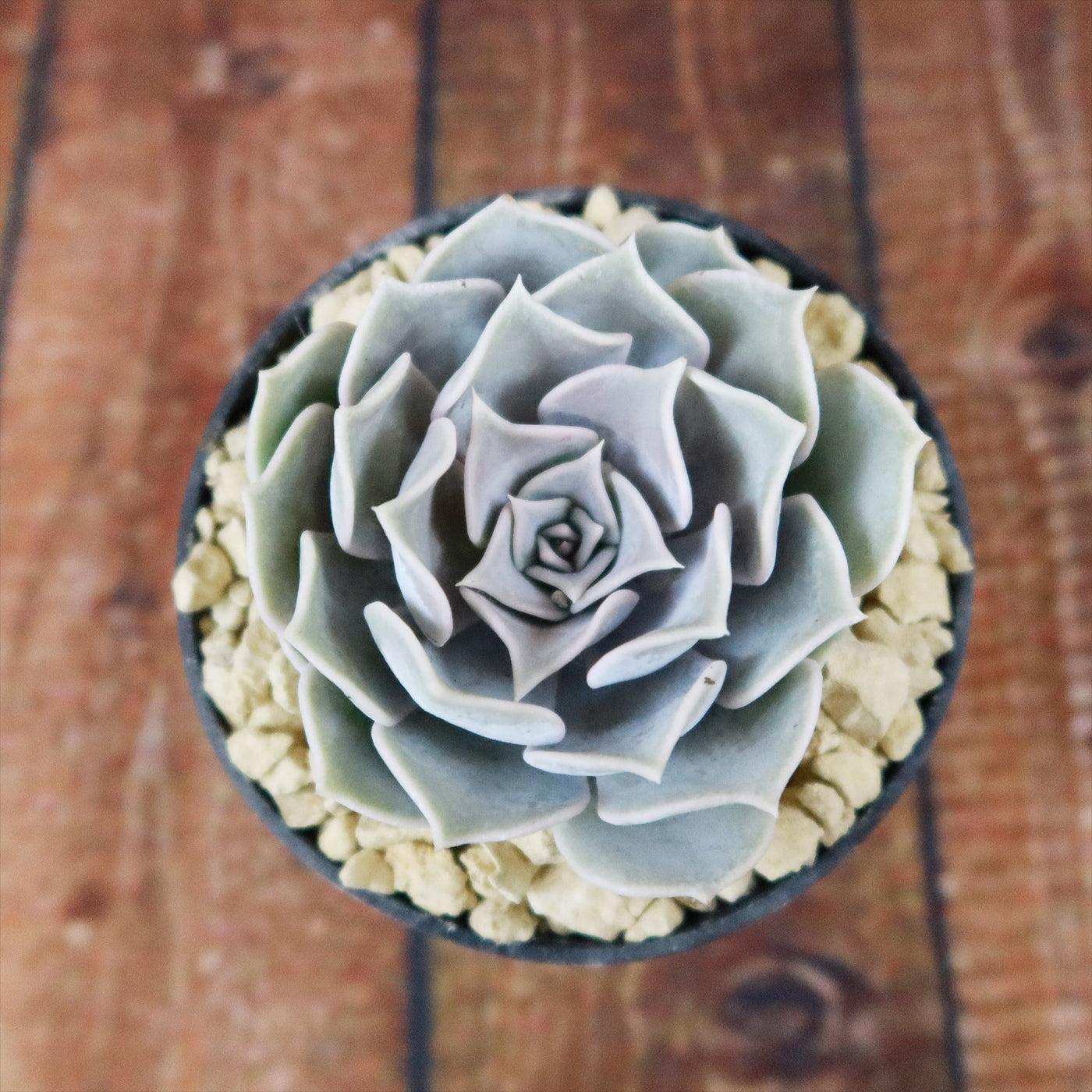
misty lilac succulent Ghost Echeveria SucculentThe Echeveria lilacina, known as Ghost Echeveria, is a strikingly beautiful succulent cherished for its soft, silvery gray leaves and elegant rosette form. This slow growing ghost succulent plant is prized for its resilience, low maintenance nature, and ability to thrive in arid conditions. Its muted coloration makes it a perfect complement to vibrant succulents or a sophisticated addition to minimalist plant arrangements. Ghost Echeveria is highly
The Echeveria lilacina, known as Ghost Echeveria, is a strikingly beautiful succulent cherished for its soft, silvery-gray leaves and elegant rosette form. This slow-growing ghost succulent plant is prized for its resilience, low-maintenance nature, and ability to thrive in arid conditions. Its muted coloration makes it a perfect complement to vibrant succulents or a sophisticated addition to minimalist plant arrangements. Ghost Echeveria is highly sought after by succulent collectors and gardeners due to its unique appearance and adaptability.
Native to Mexico, this plant gets its "Ghost Echeveria" name due to its pale, almost ghostly silver-blue foliage, which can develop a subtle lilac or pink blush in full sunlight. The powdery coating (farina) on its leaves gives it a frosted look, further enhancing its ethereal beauty. The species name, lilacina, reflects the plant’s slight lilac hue under certain conditions, adding to its aesthetic appeal.
The Echeveria lilacina has a symmetrical rosette, which can reach up to 6 inches tall and spread up to 10 inches in diameter.
The thick, spoon-shaped leaves are slightly curved and coated with a fine layer of farina, providing protection against excessive sun and moisture loss.
Unlike some other succulents, Ghost Echeveria lacks prominent offsets, making it a solitary-growing species rather than forming clusters.
The Echeveria lilacina flowers bloom usually in late winter to early spring, and produce delicate pinkish-coral flowers on tall, slender stalks that rise above the foliage.
These blooms attract pollinators such as bees and hummingbirds, adding an ecological benefit to the plant’s aesthetic charm. The contrast between the soft-colored rosettes and the vibrant flowers creates a stunning visual display.
An interesting aspect of this ghost succulent plant is its ability to change color based on environmental conditions. While it generally retains a pale silvery-gray tone, exposure to direct sunlight and cooler temperatures can bring out soft pink or lavender hues, making it even more visually appealing. This adaptability makes it a favorite among succulent enthusiasts who enjoy experimenting with lighting and placement to achieve different shades.
When and How to Water Your Echeveria lilacina
The Echeveria lilacina is a highly drought-tolerant succulent, making it an excellent choice for water-conscious gardeners. Its plump, silvery-lilac leaves store water efficiently, allowing it to survive extended dry spells. Like most succulents, it thrives on infrequent watering rather than a consistent schedule. Overwatering is the primary cause of root rot, so ensuring well-draining soil and proper watering techniques is crucial.
In the spring and summer, during the growing season, Ghost Echeveria requires moderate watering. Water deeply when the soil is completely dry, approximately once every 10–14 days. If grown indoors, use the soak-and-dry method, allowing excess water to drain from the pot. Ensure there is no standing water in the saucer. Outdoor plants in hotter climates may need watering slightly more frequently, depending on the heat and humidity levels.
In the fall and winter, during the dormant season, your Echeveria plant requires much less water. Reduce watering to once every 3–4 weeks, ensuring that the soil remains mostly dry. Overwatering during dormancy can lead to root rot or mushy leaves, as the plant’s growth slows down significantly. If the leaves start to wrinkle slightly, it’s a sign that it’s time to water.
Light Requirements – Where to Place Your Echeveria
When growing indoors, Ghost Echeveria thrives in bright, indirect sunlight.
Place it near a south- or west-facing window where it receives at least 6–8 hours of light daily.
If natural light is insufficient, supplement with a grow light to prevent stretching (etiolation).
Maintaining steady light exposure ensures compact and healthy growth, keeping its signature lilac color vibrant.
When grown outdoors, Ghost Echeveria flourishes in full sun to partial shade. In mild climates, provide at least 6 hours of direct sunlight daily for optimal growth and lovely lilac to coral pink blush coloration.
However, in hotter regions, some afternoon shade helps prevent sunburn. If transitioning from indoors to outdoors, gradually introduce the plant to full sunlight to avoid scorching its delicate leaves.
Optimal Soil & Fertilizer Needs
Ghost Echeveria requires well-drained soil to prevent root rot. A succulent mix with added perlite, sand, or pumice ensures adequate drainage. If using regular potting soil, amending it with 50% perlite or coarse sand helps improve aeration and water flow. Planting them in ordinary soil will result in compacted roots, stunted growth, and most likely root rot. Instead, make or buy a well-draining potting mix, or ideally use our specialized succulent potting mix, opens in a new tab that contains 5 natural substrates and mycorrhizae to promote the development of a strong root system that helps your Echeveria succulent to thrive.
The fertilization rate should be kept to a minimum of 5-10-5 (NPK). In the spring, during the active growing season, apply a diluted, low-nitrogen succulent fertilizer once a year. Avoid fertilizing in the dormant season, as excess nutrients can lead to weak or elongated growth.
Hardiness Zones & More
When growing indoors, this Echeveria succulent thrives in temperatures between 65–80°F. It prefers low to moderate humidity and should be kept away from humid environments like bathrooms. Provide bright light for healthy growth, ensuring at least 6–8 hours of light daily through windows or grow lights.
In the United States, this Echeveria lilacina mostly an indoor plant, but if you live in southern Florida or Hawaii then you can cultivate it outdoor in USDA zones 9-11.
In cooler climates, it should be grown in containers and brought indoors before frost.
It is known for its stunning silvery-blue leaves that can take on a pinkish hue when exposed to bright sunlight.
The unique coloration of the leaves makes this succulent a popular choice for indoor and outdoor gardens alike.
Wildlife – Echeveria lilacina Attracts the Following Friendly Pollinators
The Ghost plants delicate, coral-pink flowers attract a variety of friendly pollinators such as bees, butterflies, hummingbirds, and other birds when in bloom. These pollinators are drawn to the nectar-rich flowers, making it an excellent addition to a pollinator-friendly garden.
According to the ASPCA, Echeveria lilacina is non-toxic to humans, cats, dogs, and other pets, making it a safe option for households with animals. It is safe to touch and handle, which makes it a popular friendly choice for indoor and outdoor gardens alike.
How to propagate Ghost Echeveria
To propagate Ghost Echeveria, start by gently removing a healthy leaf from the plant, making sure to include the entire leaf and a small portion of the stem. Allow the leaf to callous over for a few days before placing it on top of well-draining soil in a bright, indirect light location. Mist the soil lightly every few days to keep it slightly moist, and within a few weeks, roots should begin to form followed by new growth at the base of the leaf. Transplant the new plant into its own pot once it has established roots and continue to care for it as you would an adult Ghost Echeveria.
Key Takeaways
- Echeveria lilacina produces delicate, pinkish-coral flowers on slender, arching stalks in late winter to early spring, attracting pollinators such as bees and hummingbirds.
- This succulent grows in a solitary, symmetrical rosette formation, reaching about 10 inches in diameter, with slow and steady growth that makes it a long-lasting addition to any garden or container.
- Its silvery-gray, spoon-shaped leaves are covered in a fine powdery coating (farina), giving it a ghostly, frosted look that enhances its soft, ethereal beauty.
- Echeveria lilacina is non-toxic to humans, cats, and dogs, making it a safe and pet-friendly choice for indoor and outdoor gardens.
- This Echeveria ghost plant is drought-tolerant and thrives in dry, well-drained soil, making it an ideal low-maintenance plant for arid environments.
The Bottom Line
Overall, the Ghost Echeveria (Echeveria lilacina) is a stunning, low-maintenance succulent known for its silvery-lilac rosettes and drought tolerance. It thrives in bright light, needs minimal watering, and can be grown both indoors and outdoors in suitable conditions. Its ability to attract pollinators while remaining non-toxic to pets makes it an excellent choice for home gardens. With proper soil, watering, and lighting, this plant will flourish beautifully, making it a standout addition to any succulent collection. Order your very own Echeveria lilacina for sale today!
Shipping Notes
- Free Standard Shipping on $100+ Orders to the USA.
- Except Preorder products are shipped in 48 hours.
- Delivery to the USA:
- Standard Shipping : 3-10 business days
- If time is of the essence, please consider selecting expedited delivery for faster service.
Exchange/Return Notes
- We offer a 30-day return/exchange service after receiving.
- Final sale items are not eligible for returns or exchanges.
- To process your return/exchange, please contact us at [email protected]
- Please click here for more details>>> Return & Exchange Policy