Pay in installments of $6.12 with
 ,
,
 and
and

Shipping Estimate
USA
- USA
- CAN
- USA
- CAN
Ships within 48 hours · Estimated delivery Sep 25 - Sep 30
 Promo Codes Available:
For Your Every Summer RSVP, with Code: SUMMER15
Description
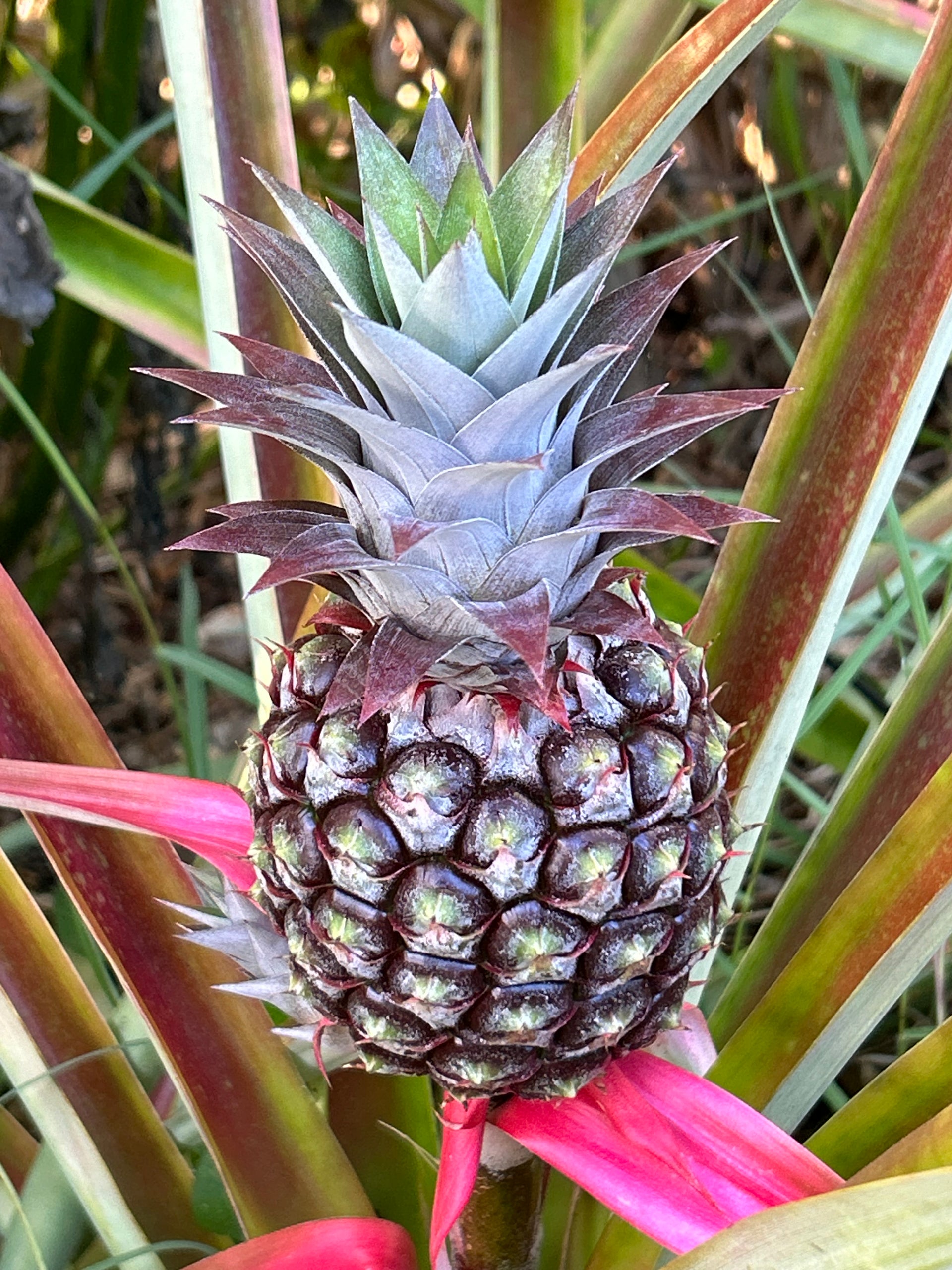
food for pineapple plant Pineapple 'White Jade' – Incredible Edible LandscapesA white fleshed variety thats dark green and purple in color during growth. Similar to Sugarloaf, the fruit is very sweet reminiscent of pina colada. Core is soft and edible. The ripe fruit gives little scent and only slight color change so watch closely. _________________________________________________________________________ Latin name Ananas comosus Pineapple plants are one of the most ubiquitous tropical fruit plants. Surprisingly, these
A white-fleshed variety that’s dark green and purple in color during growth. Similar to Sugarloaf, the fruit is very sweet reminiscent of pina colada. Core is soft and edible. The ripe fruit gives little scent and only slight color change so watch closely.
_________________________________________________________________________
Latin name - Ananas comosus
Pineapple plants are one of the most ubiquitous tropical fruit plants. Surprisingly, these bromeliads are in the same family as tree-dwelling epiphytes like Spanish moss.
The fruits are familiar, highly-palatable, and fun to grow. Pineapple plants prefer well-draining, sandy/loamy soil as their primary nemesis is root-rot. Container-growing your pineapples is absolutely acceptable and they take quite well to fruiting in a pot.
Pineapple plants, although fairly low-growers, create a wide footprint with their broad leaves. Feel free to cut leaves back out of your walking paths. Commercial growers practice this method regularly with no effect on fruit production.
After about 70-80 leaves have been produced (variety-dependent), a pineapple will begin to produce it’s flowering stem. Pineapples are seedless unless grown closely with other varieties or hand-pollinated for seed production. In the wild, pineapples are primarily pollinated by hummingbirds, but zero pollination is required to yield delicious fruits.
Pineapple fruits are high in water content (86%) and provide a rich source of manganese and Vitamin C. You’re likely well-aware that pineapples are widely used in drinks, confections, fruit salads, and straight up.
A little pineapple history…
Pineapples have been cultivated for centuries in their indigenous region of Central and South America, but were not introduced in Europe until the 17th century. It’s moniker is owed to the tendency of European explorers to name any novel round fruits “apples.”
Explorer John Smith was one of the first to utter the term “pineapple” to describe this fruit in 1624. By the late 1700’s and early 1800’s, wealthy Europeans installed greenhouses or imported pineapples for display purposes, cycling them through use as centerpieces until they began to rot.
In the 1800’s, commercial production of select cultivars like ‘Smooth Cayenne’ began. The ‘Smooth Cayenne’ cultivar achieved worldwide diaspora as it was favored for commercial growth throughout Europe, Hawaii, Australia, and Africa.
How long until my pineapple fruits?
The time from planting to harvest depends on the part of the plant you are using to propagate the pineapple. Use the guide below to set your expectations regarding harvest timeline:
-Pineapple Crowns (the top of the fruit) can produce a new crop within 12-18 months.
-Pineapple Pups/Suckers (off-shoots from the side of the plant itself) can produce a new crop within 18-24 months.
-Pineapple Slips (baby plants taken from the bottom of a pineapple fruit) can produce a new crop after about 24+ months.
When to pick pineapples…
Pineapples typically mature in the warmest months. In South Florida, harvest season rolls from June through September. You can tell your fruit is ready to pick when color change begins and the fruit begins to emit scent. Some gardeners are able to leave their pineapples on the plant until full yellow coloration; Gardeners with rodent pests should pick their fruits as soon as yellow blush appears to avoid loss of your precious fruits.
Once in a while, you may experience the glory of an off-season pineapple at Thanksgiving or Christmas-time.
_____________________________________________________________________
Size - 4’ Wide x 3’ Tall
Noteable Characteristics - Fruits year after year, and offers more plants (via slips, pups, and crowns) year over year.
Sunlight requirements - Full or Part Sun
Cold hardy temp - Damaged below 50 F; Killed at freezing temps
Harvest Season - June, July, August (an off-season fruit once in a while)
Shipping Notes
- Free Standard Shipping on $100+ Orders to the USA.
- Except Preorder products are shipped in 48 hours.
- Delivery to the USA:
- Standard Shipping : 3-10 business days
- If time is of the essence, please consider selecting expedited delivery for faster service.
Exchange/Return Notes
- We offer a 30-day return/exchange service after receiving.
- Final sale items are not eligible for returns or exchanges.
- To process your return/exchange, please contact us at [email protected]
- Please click here for more details>>> Return & Exchange Policy