Pay in installments of $6.56 with
 ,
,
 and
and

Shipping Estimate
USA
- USA
- CAN
- USA
- CAN
Ships within 48 hours · Estimated delivery Sep 21 - Sep 26
 Promo Codes Available:
For Your Every Summer RSVP, with Code: SUMMER15
Description
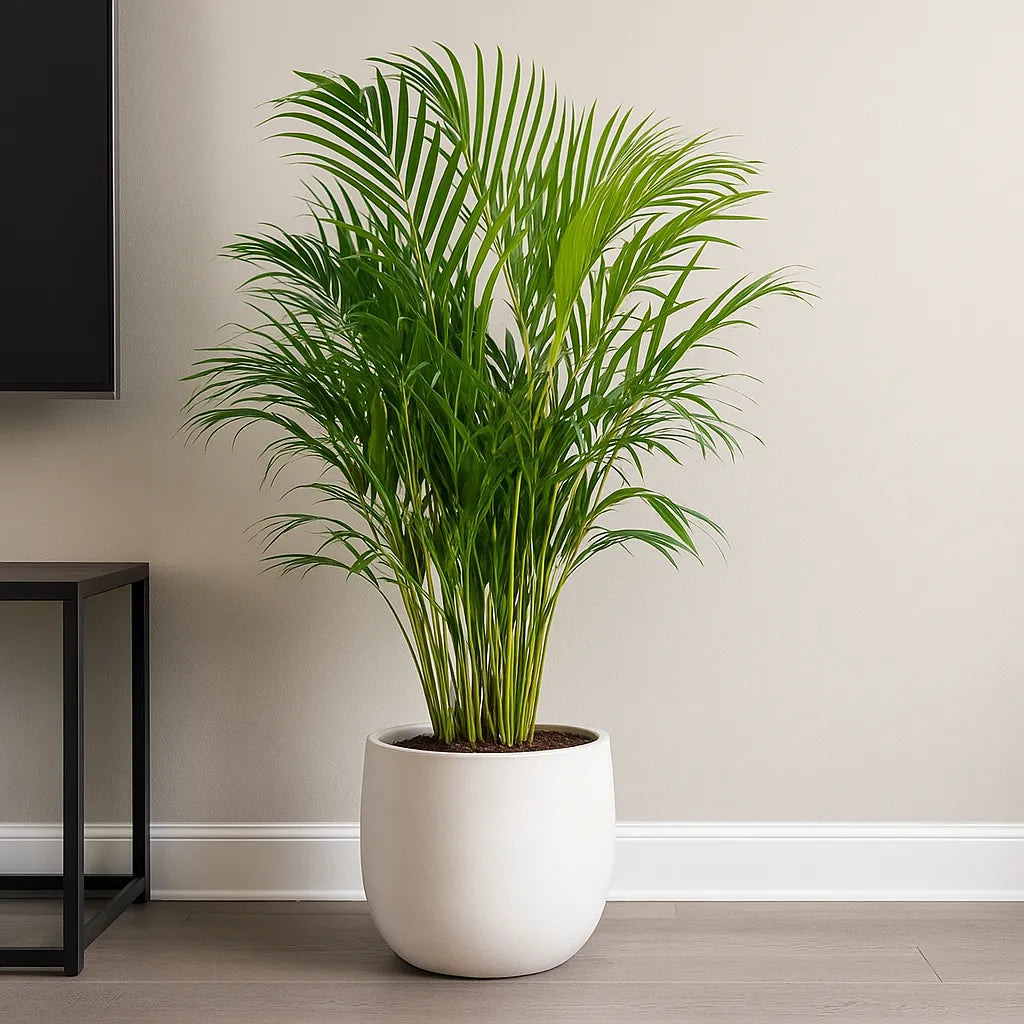
is areca palm an indoor plant Areca Palm Dypsis Lutescens House Plant – Plants For All SeasonsDypsis lutescens, widely known as the Areca Palm, Butterfly Palm, or Golden Cane Palm, is one of the most popular indoor palms thanks to its graceful, arching fronds and lush tropical presence. A member of the Arecaceae family, it is native to Madagascar, where it grows in warm, humid forests. The Areca Palm features multiple slender, bamboo like golden stems topped with feathered fronds of soft green leaflets that arch outward elegantly, resembling
Dypsis lutescens, widely known as the Areca Palm, Butterfly Palm, or Golden Cane Palm, is one of the most popular indoor palms thanks to its graceful, arching fronds and lush tropical presence. A member of the Arecaceae family, it is native to Madagascar, where it grows in warm, humid forests.
The Areca Palm features multiple slender, bamboo-like golden stems topped with feathered fronds of soft green leaflets that arch outward elegantly, resembling butterfly wings — hence the name Butterfly Palm. Indoors, it forms a dense, bushy clump that brings a sense of movement, freshness, and natural vibrancy to any space.
Fast-growing, air-purifying, and non-toxic, Dypsis lutescens is one of the best choices for creating a relaxed, tropical atmosphere in homes, conservatories, and offices.
Dypsis lutescens (Areca Palm) – Care Guide
Light
Thrives in bright, indirect light. Tolerates partial shade but avoid deep shade, which can lead to weak, sparse growth. Direct midday sunlight can scorch the fronds, while morning or filtered sunlight helps maintain vibrant green leaves.
Watering
Water when the top 3–5 cm of soil feels dry. Keep the soil lightly moist during spring and summer but never waterlogged. In winter, water sparingly. The Areca Palm is sensitive to overwatering and prefers good drainage.
Temperature and Humidity
-
Temperature: Prefers warmth, 18–28°C. Avoid cold draughts and temperatures below 12°C.
-
Humidity: Enjoys moderate to high humidity (50–70%). Mist occasionally, especially in dry indoor conditions, to prevent brown leaf tips.
Soil and Potting
Use a rich, free-draining, peat-free compost mixed with perlite or sand to improve drainage. Repot every 2–3 years in spring, using a slightly larger pot to accommodate root growth.
Feeding
Feed every 4–6 weeks during spring and summer with a balanced liquid fertiliser. Do not feed during winter.
Pruning and Maintenance
Remove any brown or yellowing fronds at the base to keep the plant tidy and encourage new growth. Wipe the leaves occasionally with a damp cloth to remove dust and maintain their natural gloss.
Growth and Maturity
A moderately fast grower, typically reaching 1.5–2.5 metres indoors. Outdoors in tropical climates, it can grow up to 6 metres tall. Its dense, feathery foliage gives it a soft, elegant silhouette that works beautifully as a focal plant.
Common Issues
-
Brown tips: Low humidity or build-up of salts from hard water — use rainwater or filtered water if possible.
-
Yellowing leaves: Overwatering or poor drainage.
-
Leaf spotting: Caused by draughts, cold, or direct sunlight.
-
Pests: Occasionally spider mites, mealybugs, or scale insects.
Background and Benefits
Native to Madagascar, Dypsis lutescens has been a favourite ornamental palm worldwide for over a century. In addition to its tropical beauty, it’s an excellent natural air purifier, known to remove toxins like formaldehyde, toluene, and xylene from the air. Its elegant fronds and soft movement make it a calming presence in any interior environment.
✅ Quick Care Summary
-
Light: Bright, indirect; tolerates partial shade
-
Water: Lightly moist; let topsoil dry slightly
-
Temperature: 18–28°C; avoid below 12°C
-
Humidity: Moderate to high (50–70%)
-
Soil: Rich, well-draining peat-free compost
-
Feed: Every 4–6 weeks in spring/summer
-
Growth: Upright clumping palm, 1.5–2.5 m; golden stems and arching feathered fronds
Shipping Notes
- Free Standard Shipping on $100+ Orders to the USA.
- Except Preorder products are shipped in 48 hours.
- Delivery to the USA:
- Standard Shipping : 3-10 business days
- If time is of the essence, please consider selecting expedited delivery for faster service.
Exchange/Return Notes
- We offer a 30-day return/exchange service after receiving.
- Final sale items are not eligible for returns or exchanges.
- To process your return/exchange, please contact us at [email protected]
- Please click here for more details>>> Return & Exchange Policy