SKU: 20982470258
aglaonema leaves drooping

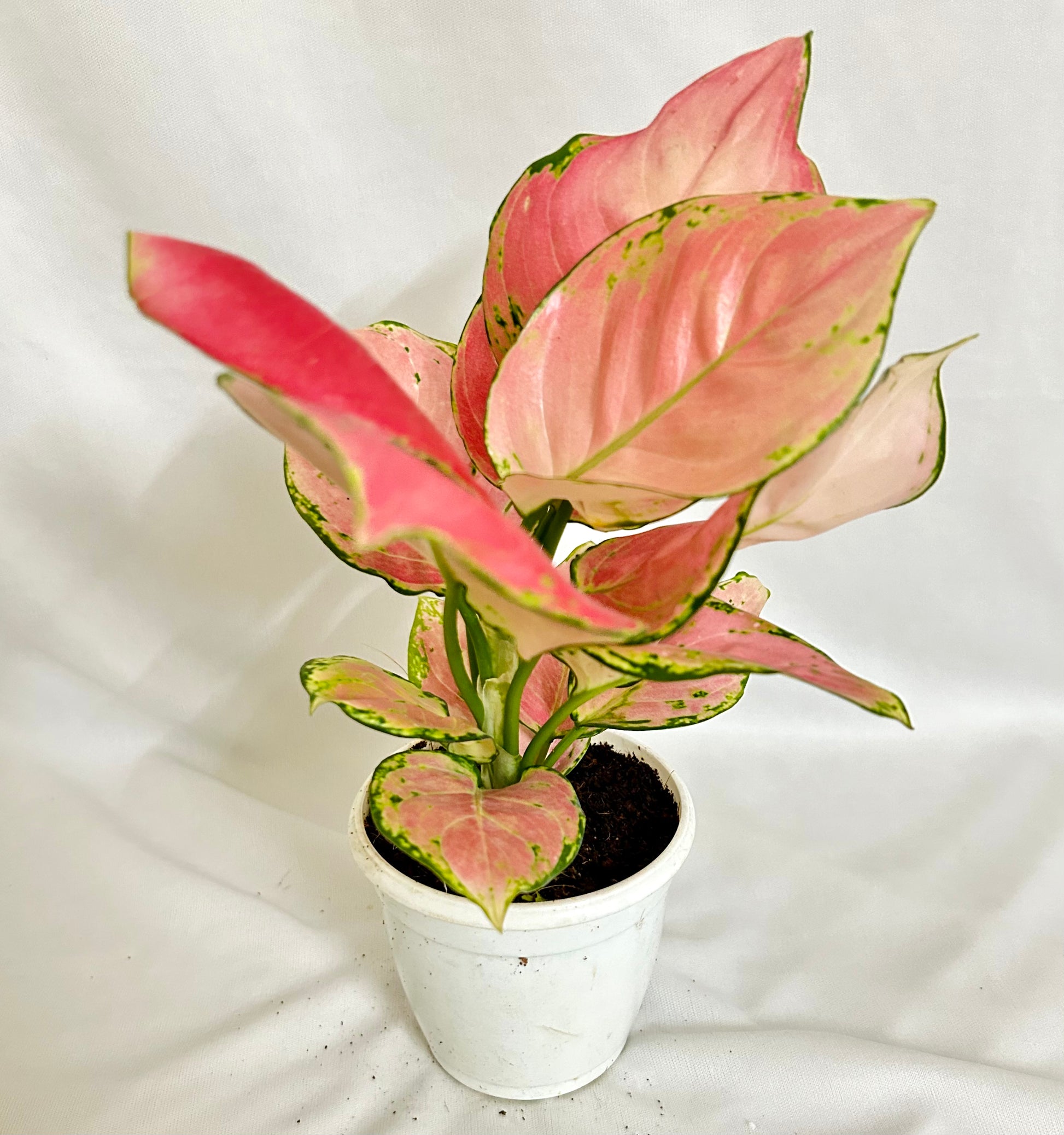
aglaonema leaves drooping Aglaonema Anjamanee Pink – Dream Green

Sale price$19.75 Regular price$21.94
Save 10%

Pay in installments of $5.49 with ShopPay, AfterPay and Klarna

Shipping Estimate
USA
  • USA
  • CAN

Ships within 48 hours · Estimated delivery Aug 4 - Aug 9

Promo Codes Available:

For Your Every Summer RSVP, with Code: SUMMER15

Description

aglaonema leaves drooping Aglaonema Anjamanee Pink – Dream GreenPRODUCT SPECIFICATIONS Plant Aglaonema Anjuman Pot Height 4 Pot Diameter 4 Plant Height 6" 10" Growing Medium Soilless Cocopeat NPK medium Product Weight 250 grams KNOW YOUR PLANT The Aglaonema '10 Karat' is a popular cultivar of the Aglaonema plant, which is also commonly known as the Chinese Evergreen. Aglaonema '10 Karat' is characterized by its striking, variegated foliage. The leaves typically have a deep green base color with bright, golden

PRODUCT SPECIFICATIONS


Plant

Aglaonema Anjuman 

Pot Height

4”

Pot Diameter

4”

Plant Height

6"-10"

Growing Medium

Soilless Cocopeat NPK medium

Product Weight

250 grams


KNOW YOUR PLANT

The Aglaonema '10 Karat' is a popular cultivar of the Aglaonema plant, which is also commonly known as the Chinese Evergreen. Aglaonema '10 Karat' is characterized by its striking, variegated foliage. The leaves typically have a deep green base color with bright, golden-yellow speckles or blotches, giving it a distinctive and eye-catching appearance.

Aglaonema plants are prized as houseplants because they are relatively low-maintenance and can thrive in low light conditions. They are known for their air-purifying qualities and are an excellent choice for indoor spaces.

When caring for Aglaonema '10 Karat' or any Aglaonema variety, it's important to provide them with indirect or filtered light, keep the soil consistently moist but not waterlogged, and maintain a warm and humid environment. Regularly dusting or wiping the leaves will also help keep them looking their best.

Keep in mind that specific care instructions may vary slightly based on your local climate and the conditions in your home, so it is a good idea to monitor the plant's needs closely to ensure its health and vitality.


BENIFITS

  • Air purifiers: These plants are known to be excellent air purifiers as proven beyond doubt by NASA researches. They remove various toxins from the air and improve air quality by emitting oxygen.
  • SAM-free: We use a special weightless SAM (Soil and manure free) mix. It has a superior drainage prevents plants dying due to overwatering. Also, pest attacks are rare in our potting mix.


PLANT CARE

  • Light: Aglaonema prefers moderate to low indirect light. Avoid exposing it to direct sunlight, as it can scorch the leaves. Place it in a well-lit room away from direct sunlight or use sheer curtains to filter the light.
  • Temperature: These plants prefer temperatures between 65°F to 80°F (18°C to 27°C). Avoid exposing them to drafts or sudden temperature changes.
  • Watering: Allow the top inch (2.5 cm) of the soil to dry before watering. Overwatering can lead to root rot, so it's essential to let the soil partially dry between waterings. Water sparingly in winter, as the plant's growth slows down during that time.
  • Humidity: Aglaonema prefers higher humidity levels, but it can tolerate normal indoor humidity. You can increase humidity by misting the leaves occasionally or using a humidifier.
  • Soil: Use a well-draining potting mix that retains some moisture but doesn't become waterlogged. A mix of peat moss, perlite, and vermiculite usually works well.
  • Fertilization: Feed your Aglaonema with a balanced liquid fertilizer during the growing season (spring and summer) about once a month. In winter, you can reduce or stop fertilizing.
  • Pruning: Remove any yellow or damaged leaves regularly to keep the plant looking neat. You can also trim leggy stems to encourage bushier growth.
  • Pests and Diseases: Aglaonema is generally resistant to pests, but it's always good to inspect your plant regularly for any signs of common houseplant pests like spider mites or mealybugs. If you notice any issues, treat them promptly with appropriate measures.

Remember that different plants may have slightly different care requirements, so it is a good idea to observe your plant and adjust its care accordingly. Overall, with proper care, Aglaonema can be a beautiful and long-lasting addition to your indoor space.


BENIFITS

  • SAM-free: We use a special weightless SAM (Soil and manure free) mix. It has a superior drainage prevents plants dying due to overwatering. Also, pest attacks are rare in our potting mix.
  • Air Purification: Aglaonema is known for its air-purifying properties. It helps remove indoor air pollutants like formaldehyde, benzene, and other toxins, thereby improving the air quality in your home or office.
  • Low Maintenance: This plant is relatively easy to care for, making it an excellent choice for both beginner and experienced plant enthusiasts. It can tolerate a range of light conditions and does not require frequent watering.
  • Attractive Foliage: Aglaonema has attractive, variegated leaves with different patterns of colors, including shades of green, silver, pink, and red. The striking foliage adds a touch of beauty and vibrancy to any room.
  • Adaptable to Indoor Spaces: Aglaonema can thrive in indoor environments, including low light areas, where many other plants struggle to grow. It's a great option for spaces with limited natural light.
  • Health Benefits: Studies have shown that having indoor plants, like Aglaonema, can reduce stress, boost mood, and enhance overall well-being. They create a calming and positive atmosphere in living and working spaces.
  • Non-Toxic: Aglaonema is non-toxic to pets, making it a safer choice for households with cats, dogs, or other animals that may be curious about plants.
  • Long-Lasting: With proper care, Aglaonema can be long-lasting and remain attractive for many years, making it a worthwhile investment for indoor decor.

Overall, Aglaonema is not only a beautiful decorative plant but also offers practical benefits by purifying the air and contributing to a healthier and more pleasant living environment.


USEFUL TIPS

  • Light: Place your Aglaonema in bright, indirect light. It can tolerate lower light conditions, but to maintain the red coloration in its leaves, it's essential to provide sufficient light without exposing it to direct sunlight, which can cause leaf burning.
  • Watering: Allow the top inch (2.5 cm) of the soil to dry before watering. Aglaonema prefers slightly moist soil but not soggy conditions. Overwatering can lead to root rot and affect the plant's health and color.
  • Humidity: Aglaonema appreciates higher humidity levels, so if the air in your home is dry, consider using a humidifier or placing a tray of water near the plant to increase humidity. Misting the leaves occasionally can also be beneficial.
  • Temperature: Maintain a consistent room temperature between 18°C to 27°C. Avoid exposing the plant to drafts or extreme temperature fluctuations.
  • Fertilization: Feed your Aglaonema with a balanced liquid fertilizer every 4-6 weeks during the growing season (spring and summer). Fertilizing helps provide essential nutrients for vibrant leaf colors.
  • Pruning: Regularly remove any yellow or damaged leaves to keep the plant looking tidy and to redirect its energy towards healthy growth and maintaining its red foliage.
  • Re-Potting: Aglaonema grows relatively slowly, so it won't require frequent re-potting. However, if you notice the plant becoming


COMMON PROBLEMS AND SOLUTIONS:


  • Overwatering or Underwatering: Overwatering can lead to root rot and yellowing leaves, while underwatering can cause wilting and leaf browning. Ensure you water your Aglaonema when the top inch of soil is dry, and use well-draining soil to prevent waterlogged conditions.
  • Yellowing Leaves: Yellowing leaves can be a sign of overwatering, underwatering, or aging. If only the older leaves are turning yellow, it's likely a natural part of the plant's growth process. Otherwise, check the soil moisture and adjust your watering accordingly.
  • Brown Leaf Edges: Brown leaf edges, also known as leaf burn, can result from exposure to direct sunlight or low humidity levels. Move the plant to a spot with indirect light and increase humidity by misting or using a humidifier.
  • Pests: Aglaonema can occasionally attract pests like spider mites, mealybugs, and scale insects. Inspect your plant regularly and use appropriate insecticidal soap or neem oil to eliminate the pests.
  • Root Rot: Root rot can occur due to overwatering and poorly draining soil. If you notice mushy, discolored roots, it's a sign of root rot. Trim away affected roots and repot the plant in fresh, well-draining soil.
  • Drooping Leaves: Drooping leaves can result from both overwatering and underwatering. Check the soil moisture and adjust your watering routine accordingly.
  • Brown Spots on Leaves: Brown spots on leaves can be caused by inconsistent watering, low humidity, or fungal issues. Maintain a regular watering schedule and ensure adequate humidity to prevent these problems.
  • Pale or Faded Leaves: Lack of light can cause the leaves to lose their vibrant colors. Ensure your Aglaonema receives enough indirect light to maintain its variegation.

Regularly inspect your Aglaonema for any signs of these common problems, and take appropriate actions promptly to ensure the plant remains healthy and visually appealing. Proper care, including correct watering, adequate lighting, and suitable humidity levels, will help prevent most issues and keep your Aglaonema thriving.


HAPPY PLANT PARENTING!!

Disclaimer: Actual plant may have slight variations from what is shown in the image since each individual plant has its own appearance. 


Shipping Notes
  • Free Standard Shipping on $100+ Orders to the USA.
  • Except Preorder products are shipped in 48 hours.
  • Delivery to the USA:
  1. Standard Shipping : 3-10 business days
  • If time is of the essence, please consider selecting expedited delivery for faster service.
Exchange/Return Notes
  • We offer a 30-day return/exchange service after receiving.
  • Final sale items are not eligible for returns or exchanges.
  • To process your return/exchange, please contact us at [email protected]
  • Please click here for more details>>> Return & Exchange Policy
SKU: 20982470258

Discover Niche Categories That Outsell aglaonema leaves drooping

Top-Converting Item to Boost Your Average Order

4.5 ★★★★★
Based on 25 reviews
Sort
Highest Rating
Newest First
Oldest First
Product Reviews
K
Verified Purchase
Koby
Grantham, US
★★★★★ 4
Nice monitor
I have had this for a little over 2 years. The only problem that has occurred a few times is that the PC display screen goes blank. I don't know the origin of this problem but it seems to be in the monitor. If I use the monitor controls, I can view the monitor settings and eventually the PC display resumes. It has happened only a few times over the 2 years. Also, the screen control buttons are a little difficult use because they are underneath the screen and cannot be seen. Just have to go by feel. Otherwise a very nice monitor.
WAS THIS REVIEW HELPFUL?YesReportShare
Reviewed in the United States on March 5, 2026
C
Verified Purchase
caleb me
Los Angeles, US
★★★★★ 5
Worth the hefty price tag
After considering OLED for a while and waiting for the price to drop, I finally decided to try this when on sale. I had very high expectations and was fully prepared to refund at the first sign of trouble. Lets start with the cons in my experience. 1. After setting up the monitor and looking through the settings, trying to turn the RGB LEDs on worked... for the most part. The lights on the back worked fine, on the front there are two zones that are supposed to light up also, but only one of them worked. After doing some searching apparently a simple firmware update or downgrade can fix this, so it is not a hardware issue but a software one. I do not need LEDs on a monitor anyway, especially an OLED that has those nice true blacks, so I don't want anything on to distract my eye. I turned the LEDs off completely and never card to change firmware just to be able to turn them on again. 2. The first day I setup the monitor, tested it a bit, then went to bed. The following day I turned on the monitor and after a few hours of using it I closed all my programs and went to desktop (which is a true black single color background). To my surprise the LEDs were still on, the screen looked no different from my other non OLED screens. After digging through various settings and power cycling the monitor a few times I decided to contact support. I explained my issue and got transfer once or twice through Samsung support chat before finally getting through to help. The first thing that I was asked to do was unplug the power cord that runs from the adapter box to the monitor, not from the wall to the adapter box, and not power cycling using the button on the monitor. After waiting about a minute and plugging it back in the black were true black again and I felt like an idiot. The important takeaway here is that the box will run some power to the screen even if the screen is of, so if you need to power cycle make sure you unplug the screen. After doing the reset once my pixels have remained true black where they should and have not been an issue since. Before we get to the pros is want to mention settings. There are quite a few settings of which most are helpful, just about anything you would want to change you can. The only problem is that with so many settings it can be hard to find what you're looking for sometimes. So far this is one of my only monitors to not change settings ever after setup, I have had ASUS and ACER monitors before that both will occasionally change a setting if a certain game launches or if the hdmi/vda/dp gets unplugged. Finally we have the pros. 1. OLED monitor at a PC desktop form factor. This thing looks great, it is great to watch movies and videos on, and colorful and cinematic games look amazing, I have never seen a non OLED come anywhere close it is not even the same ballgame. I have had TN VA and IPS displays before and IMO all three of those look far more similar to each other than to this. 2. Responsiveness and Refresh rate. 240hz is incredibly solid for modern gaming, not as bug of jump from 60 to 144 or even 120, but still noticeable. Due to the OLED tech the overall screen response time is insane, it isn't as simple as the 1ms, 0.5ms or 0.1ms that you see advertised on these monitor pages, if you look into it in depth, this monitor has a response time that is about 2x faster then the next best non OLED gaming monitor, and that monitor is even 360hz! What does this meant though? Blur essentially does not exist on this monitor, comparing to 144hz, 165, and 60hz, when setting this monitors refresh rate to match, it is significantly clearer and less blurry. At 240hz even taking a still image with a high fps camera it is hard to detect or extremely minimal, where my VA 165hz displays at least 5 clearly visible ghosted images at once just with my phone camera. To summarize, this monitor I expected to be good but not worth the price tag, but after quite some use it has completely blown me away and I am definitely keeping it. The only monitor jump that has been as noticeable as jumping from non OLED to OLED is the jump from 60-144hz.
WAS THIS REVIEW HELPFUL?YesReportShare
Reviewed in the United States on October 5, 2023
Y
Verified Purchase
YouNeedMorePeople
Grantham, US
★★★★★ 3
Too compromised for the price
HDR: Windows 10/11 report 1015nits peak brightness which is its real peak luminance. Quantum HDR2000 is a fabricated specification unique to Samsung. In real content (games/movies) it is no where near capable of 2000nits and instead barely produces over 800nits peak brightness for 10% highlight. The 2000nit figure comes from best case scenario - 10% test slide used by calibrators and reviewers to measure luminance. The monitor detects such a scenario and temporarily boosts brightness so that they can publish impressive brightness figures. Yes this is essentially cheating and Samsung has been called out recently for the same "trick" on their TV's. Samsung could have opted to have the monitors HDR performance certified by VESA but chose not to in favor of their own marketing favorable terminology. In reality the monitor is some where between VESA DisplayHDR600 and DisplayHDR1000 due to a combination of Samsung severely limiting brightness for the sake of preventing blooming alongside possibly preventing the backlight from being overdriven to manage thermals. Scanlines: The monitor displays horizontal scanlines at its maximum 4K 240hz refresh rate. This is a limitation of the display driver or scaler and has been present on all 1440p+ 240hz Samsung monitors dating back to the original G7. This is not a software/firmware issue as the original G7 and Neo G9 still suffer from it to this day after over a dozen firmware updates between the two. Dropping down to 120hz rids you of scanlines but then you have to ask, why did I buy a 240hz display? A compromise is using a custom resolution/refresh rate of 165hz but then you have to ask yourself, why didn't I save $200 and purchase the Neo G7 instead? Anything above 165hz and the scanlines get very noticeable. Anti Reflective Coating: The Neo G8 uses a completely different AR coating compared to the Neo G7. Its extremely thick/hazy and has a sparkly sheen to it and as a result is a huge detriment to clarity. HDMI 2.1: As of right now the monitors HDMI 2.1 ports are either broken due to a firmware mishap or not full bandwidth HDMI 2.1 ports. 4K 120hz is the max possible refresh rate using an HDMI 2.1 capable GPU and even that can be finicky at times. DSC should make 4K 240hz possible just like the Displayport 1.4 port but its just not working correctly at the moment. Curve: The curve is non uniform and extremely aggressive at the center while flattening at the sides. It results in a very odd almost crease like presentation dead center and takes quite a bit of adjustment. I understand the 1000R curve is done to compensate for the VA panels poor viewing angles but its just too much for desktop/productivity and warps everything you're looking at. 1800R or 1500R max would be ideal although I wish Samsung would ditch this obsession with curves and just give us flat panels. Neo G7 vs Neo G8: So why buy the Neo G8? Well there really is no reason unless you enjoy horizontal scanlines at 240hz. The Neo G7 has the same HDR brightness (1015nits reported to Windows), gets you 165hz scanline free without having to fiddle with custom resolutions, uses a more traditional matte anti glare coating and as of writing this review appears to have the same HDMI 2.1 limitation.
WAS THIS REVIEW HELPFUL?YesReportShare
Reviewed in the United States on June 30, 2022
S
Verified Purchase
Steve B.
San Leandro, US
★★★★★ 5
WHAT YOU NEED TO KNOW! And why people have issues with this Monitor, It's their fault.
Got mine today! Great packaging, no dead pixels! LOOKS AWESOME! This is what you need to know before buying this Monitor! Please read SO YOU KNOW! It will also help you with any other monitor, video card, or cables. This is a 4K 240Hz Monitor! There are 3 different versions of this Monitor in the user manual, and Samsung has never been great on literature to know what you need to push this monitor to its full potential. I read the 4-star reviews for this Monitor first. In there, I read about a guy who was getting tearing and replaced the DP (Display Port) cable to a 16K cable. I want to explain this to educate people and help. The base refresh rate for any resolution is 60Hz, so let's do the math backwards to fully understand. 16K at 60Hz = 8K at 120Hz = 4K at 240Hz = 2K at 480Hz Since not only Samsung, but every corporation tries to save money, the other 2 monitors in the user's guide doesn't require a 16K cable. Since I'm sure they all have the same packaging, there's no reason to believe the supplied DP (Display Port) cable is 16K. In Fact, I can see nothing on the cable that says so. However, I spent $6 for a 10' 16k cable delivered with the Monitor. This is the most important thing to know once you have your 16K DP (Display Port) cable. To push 16K your device (Video Card) has to have DP (Display Port) 2.1 AMD was on top of the ball on this and uses DP (Display Port) 2.1 for its RX 7000 series and up. I use a RX 7900XTX, so I'm covered. Nvidia used DP (Display Port) 1.4 on their RTX 4000 series cards to save money and charge you way too much! Nvidia implemented DP 2.1 on their RTX 5000 series cards. I don't know for INTEL cards; I would search the specs. I've read reviews from RTX 4000 people, and I can only assume that they don't understand that Nvidia DLSS has to be a factor, they aren't aware that their video cards can't push a true 4K at 240Hz. The last thing to add is the Dimensions that Samsung Provides! Yes, its 27" tall! But it's a telescopic stand, I only have 20.5" clearance, and it fits nice. I think it could go down to 19". Power Color Hellhound RX 7900 XTX AMD 9950 X3D Asus Rog Strix X870E-E Gaming Wi-Fi 32GB G.Skill Royal Neo at 8000Mhz Nothing else is important for this post
WAS THIS REVIEW HELPFUL?YesReportShare
Reviewed in the United States on July 15, 2025
A
Verified Purchase
Amazon Customer
Birmingham, US
★★★★★ 5
Music and video editing. This thing works.
Size: 49-1, Size: 49-1
49" curved. It's a good monitor. Confirmed resolution is 5K. I had never heard of ZZA before but the reviews were good and the price was decent. Honestly, I did not expect too much. Well, this monitor is well packaged, easy to handle and use, built nicely. The screen has a matte low-reflection surface and looks smooth. Tested with Ableton, DaVinci, WOW, Zoom, and a few others. Instantly improved my workflow by displaying longer timelines in music and video. Games like WOW are very immersive, but it takes a few hours to get used to. Once you get into it, it might be had to go back to a normal flatscreen. Overall, it's worth the money. ZZA is evidently taking this very seriously with a decent design and a solid feel. Would recommend.
WAS THIS REVIEW HELPFUL?YesReportShare
Reviewed in the United States on February 2, 2026

recommand products