Pay in installments of $5.58 with
 ,
,
 and
and

Shipping Estimate
USA
- USA
- CAN
- USA
- CAN
Ships within 48 hours · Estimated delivery Sep 22 - Sep 27
 Promo Codes Available:
For Your Every Summer RSVP, with Code: SUMMER15
Description
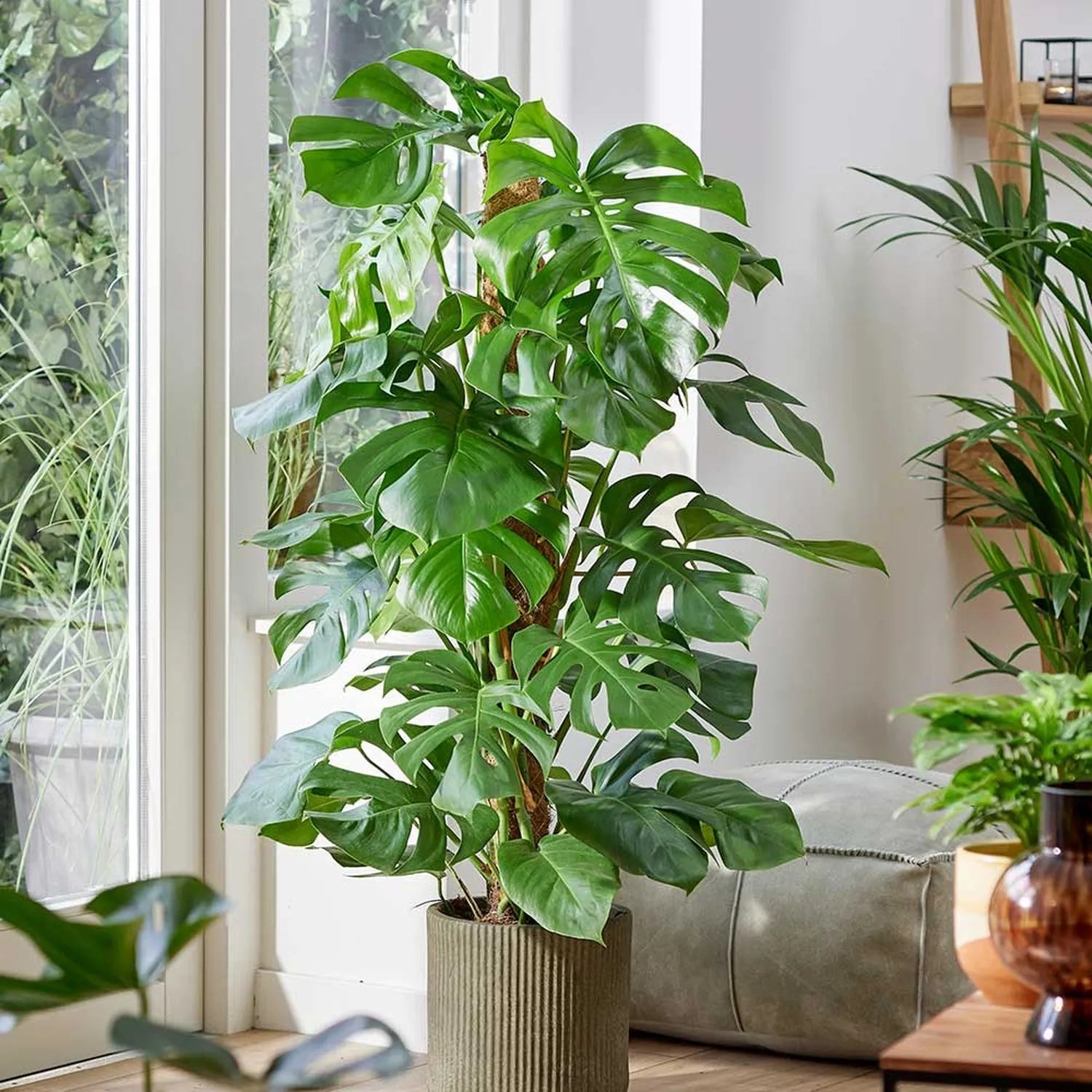
swiss cheese plant with moss pole Monstera Deliciosa on Mosspole Swiss Cheese Plant House Plant – Plants For All SeasonsMonstera deliciosa, also known as the Swiss Cheese Plant, is one of the most iconic tropical houseplants in the world. A member of the Araceae family and native to the rainforests of Central America, its celebrated for its dramatic, glossy, split leaves and its ability to transform any interior into a lush, jungle inspired retreat. Its large, heart shaped leaves develop deep cuts and natural perforations (fenestrations) as they mature a beautiful
Monstera deliciosa, also known as the Swiss Cheese Plant, is one of the most iconic tropical houseplants in the world. A member of the Araceae family and native to the rainforests of Central America, it’s celebrated for its dramatic, glossy, split leaves and its ability to transform any interior into a lush, jungle-inspired retreat.
Its large, heart-shaped leaves develop deep cuts and natural perforations (fenestrations) as they mature — a beautiful adaptation from its native habitat that allows light and rain to pass through the canopy. With its bold, architectural form and rich green colour, Monstera deliciosa makes an unforgettable statement as a feature floor plant in homes, offices, or conservatories.
Elegant, enduring, and easy to grow, the Swiss Cheese Plant symbolises vitality, abundance, and timeless tropical beauty — a must-have centrepiece for any indoor plant collection.
Monstera deliciosa – Care Guide
Light
Thrives in bright, indirect light but can tolerate moderate light. A few hours of gentle morning or late-afternoon sun will encourage larger, more fenestrated leaves. Avoid harsh midday sunlight, which can scorch the leaves. In very low light, growth may become slower and the leaves smaller.
Watering
Water when the top 3–5 cm of soil feels dry. Keep the soil lightly moist but never waterlogged — Monstera deliciosa prefers a balance between hydration and aeration. In winter, reduce watering frequency slightly. Ensure the pot has good drainage to prevent root rot.
Temperature and Humidity
Temperature: Prefers warmth between 18–28 °C and should be kept away from cold drafts or heating vents. Avoid temperatures below 15 °C.
Humidity: Moderate to high humidity (50–70%) keeps the foliage lush and glossy. Mist occasionally, use a humidifier, or group with other tropical plants to maintain ideal conditions.
Soil and Potting
Use a rich, airy, and well-draining aroid mix — compost combined with perlite, orchid bark, and coco coir provides the perfect texture. This allows airflow while retaining gentle moisture around the roots. Repot every 2–3 years in spring to refresh the mix and give roots more space to grow.
Feeding
Feed every 4–6 weeks during spring and summer with a diluted, balanced liquid fertiliser. Avoid over-fertilising, as it can lead to salt build-up and leaf damage. Stop feeding in autumn and winter when growth slows.
Pruning and Maintenance
Trim older or damaged leaves near the base to maintain shape and encourage new growth. Wipe the large leaves regularly with a soft, damp cloth to remove dust and highlight their natural shine. Train climbing stems up a moss pole or trellis to support vertical growth and larger leaves.
Growth and Maturity
A moderately fast grower, Monstera deliciosa can reach 2–3 metres in height indoors when given support. Mature leaves can span over 60 cm in width and develop more fenestrations as the plant climbs and matures. In its natural habitat, this species can grow into a massive vine producing edible fruit — hence the name “deliciosa.”
Common Issues
-
Yellow leaves: Overwatering or poor drainage.
-
Brown edges: Low humidity or inconsistent watering.
-
Small or solid leaves: Insufficient light.
-
Pests: Occasionally affected by thrips or spider mites — treat with neem oil or insecticidal soap.
Background and Benefits
Native to the humid rainforests of Mexico and Panama, Monstera deliciosa grows as an epiphyte, climbing trees toward the canopy in search of light. Its name means “delicious monster,” referring to both its large, monstrous leaves and the edible fruit it produces in the wild, which tastes like a blend of pineapple and banana.
This plant is also known for its air-purifying abilities, helping to remove toxins and improve air quality indoors. Symbolically, it represents longevity, growth, and abundance — fitting for a species that thrives with grace and strength in nearly any environment.
Quick Care Summary
-
Light: Bright, indirect light; tolerates moderate light
-
Water: Allow top few cm of soil to dry between waterings
-
Temperature: 18–28 °C; avoid below 15 °C
-
Humidity: Moderate to high (50–70%)
-
Soil: Aroid mix – compost, perlite, orchid bark, coco coir
-
Feed: Every 4–6 weeks in spring/summer
-
Growth: 2–3 m climbing plant; large green split and fenestrated leaves
⚠️ Toxicity note: Toxic to pets and humans if ingested; may cause mild mouth or skin irritation.
Styling Tip
Showcase Monstera deliciosa as a statement floor plant in bright living rooms, conservatories, or offices. Its bold, sculptural leaves pair beautifully with modern, minimalist interiors and natural materials like rattan, wood, or concrete. For a lush, tropical effect, combine with trailing species such as Epipremnum aureum or Philodendron ‘Brasil’. In larger spaces, use a moss pole to encourage vertical growth and maximise its dramatic, jungle-like silhouette — a timeless plant that elevates any space with natural grandeur.
Shipping Notes
- Free Standard Shipping on $100+ Orders to the USA.
- Except Preorder products are shipped in 48 hours.
- Delivery to the USA:
- Standard Shipping : 3-10 business days
- If time is of the essence, please consider selecting expedited delivery for faster service.
Exchange/Return Notes
- We offer a 30-day return/exchange service after receiving.
- Final sale items are not eligible for returns or exchanges.
- To process your return/exchange, please contact us at [email protected]
- Please click here for more details>>> Return & Exchange Policy