Pay in installments of $6.52 with
 ,
,
 and
and

Shipping Estimate
USA
- USA
- CAN
- USA
- CAN
Ships within 48 hours · Estimated delivery Sep 29 - Oct 4
 Promo Codes Available:
For Your Every Summer RSVP, with Code: SUMMER15
Description
goodwin creek grey lavender plants Shop 'Goodwin Creek Lavender - Lavandula Goodwin Creek' Care & InfoThe Goodwin Creek lavender, known as Lavandula Goodwin Creek is a popular lavender variety known for its striking silvery grey foliage, deep purple blue flowers with long bloom time, and rich fragrance. Its versatility, beauty, and ability to attract pollinators have earned it a place in many Mediterranean style gardens. Besides Opuntia, this Goodwin Creek is one of the few cold hardy plants that withstand winter temperatures as low as 20 F. Native to
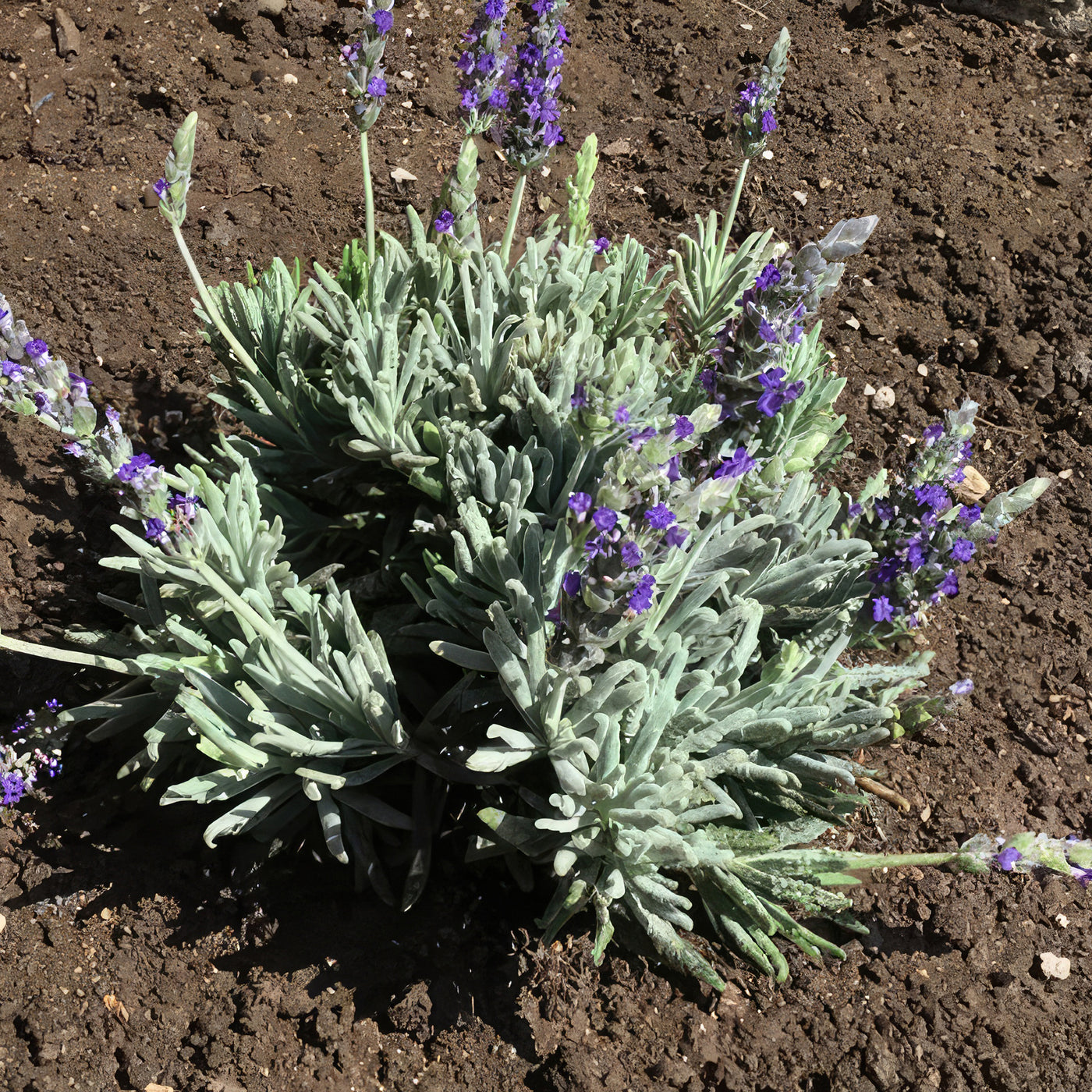
The Goodwin Creek lavender, known as Lavandula ‘Goodwin Creek’ is a popular lavender variety known for its striking silvery-grey foliage, deep purple-blue flowers with long bloom time, and rich fragrance. Its versatility, beauty, and ability to attract pollinators have earned it a place in many Mediterranean-style gardens. Besides Opuntia, this Goodwin Creek is one of the few cold hardy plants that withstand winter temperatures as low as -20 °F.
Native to the Mediterranean region, the Lavandula ‘Goodwin Creek’ is often referred to by several common names, including French Lavender, or Lavender ‘Goodwin Creek Grey’. These names reflect its appearance, heritage, and its affinity with the broader family of French lavenders.
The Goodwin Creek Lavender is a relatively compact lavender variety, that can grow up to 3 feet tall and 2 feet wide
Its moderate size makes it ideal for borders, garden beds, or containers, offering a neat and well-rounded form that can be pruned to maintain its shape.
The most notable feature of Goodwin Creek Lavender is its soft, woolly, grey-green leaves, which are finely toothed and give the plant a distinct, textured appearance.
The shrub’s foliage emits a calming lavender scent, even when brushed against lightly. The flowers of Goodwin Creek Lavender are a deep purple-blue, blooming from late spring through fall.
The long-lasting blooms are perfect for cut flower arrangements, dried flowers, or simply enjoying in the garden. The flowering spikes are long and graceful, emerging on tall stems that rise above the silvery foliage.
Goodwin Creek lavender is also known for its soothing aroma and potential calming effects, making it a popular choice for aromatherapy and relaxation purposes. Its gentle nature makes it suitable for direct skin contact, such as in homemade bath products or as a natural air freshener.
When and How to Water Your Goodwin Creek Lavender
When it comes to watering, it's important to strike a balance, as lavender plants, including Goodwin Creek lavender, are drought-tolerant once established. Once the lavender is established, usually after the first year, you can reduce the frequency of watering. During this stage, Goodwin Creek lavender prefers drier conditions. Depending on the climate and weather, watering every two to three weeks should suffice.
From spring through early fall, during the growing season, regular watering is crucial, especially in the first year after planting, to help the roots develop properly. It's recommended to water deeply once a week, allowing the top inch of soil to dry out between waterings. This promotes healthy root growth and prevents overwatering.
In the late fall and winter, during the dormant season, when the plant's growth slows, significantly reduces watering. Only water if the soil becomes very dry, as lavender can suffer from root rot if the soil remains too wet during this period.
Light Requirements – Where to Place Your Goodwin Creek Lavender
When grown indoors, your Lavandula Goodwin Creek thrives best in a bright, sunny location. A south-facing window is ideal, as it provides the maximum amount of sunlight throughout the day. For optimal growth, the plant should receive at least 4-6 hours of direct sunlight daily.
For outdoor cultivation, Goodwin Creek lavender also requires full sun to thrive. Planting it in a location that receives at least 6 to 8 hours of direct sunlight each day is crucial.
This exposure helps the plant to develop its aromatic oils and vibrant blooms, which are characteristic of this lavender variety. Additionally, planting in a well-drained area is important, as lavender prefers dry conditions, and excess moisture can lead to root rot.
It's worth noting that while Goodwin Creek lavender can tolerate some light shade, prolonged periods in low-light conditions can hinder its growth and flowering.
Therefore, choosing the right spot in your garden is vital. If you're in a hotter climate, some afternoon shade can be beneficial to prevent the plant from becoming stressed due to excessive heat.
Optimal Soil & Fertilizer Needs
Goodwin Creek lavender thrives best in well-drained soil that mimics its natural habitat. The optimal soil type for this lavender variety is sandy or gravelly soil which allows for excellent drainage. A pH level between 6.0 and 7.0 is ideal, as lavender prefers slightly alkaline conditions.
If your garden soil is heavy or clay-like, it's advisable to amend it with sand or perlite to improve drainage. This will help prevent root rot, which can occur if the roots sit in waterlogged conditions. Instead, make or buy a well-draining potting mix, or ideally use our specialized potting mixGo to planetdesert.com/collections/soil-top-dressing-and-amendments/products/soil-cactus-mix-blend-1-gal-4-qt-cacti-succulent-dirt-compost-growing-media that contains 5 natural substrates and mycorrhizae to promote the development of a strong root system that helps your Lavender plant to thrive.
When it comes to fertilization, Goodwin Creek lavender has relatively low nutrient requirements compared to many other plants. Over-fertilizing can lead to excessive foliage growth at the expense of flowers, which is not desirable for lavender. A light application of a balanced, slow-release fertilizer in early spring can promote healthy growth, but it’s essential to follow the manufacturer's instructions to avoid applying too much. Alternatively, using organic fertilizers, such as compost or well-rotted manure, can provide the necessary nutrients without the risk of over-fertilization.
If you prefer a more tailored approach, you can also use a fertilizer that is specifically formulated for flowering plants, as this can encourage blooming. However, it's best to apply fertilizers sparingly, as lavender is adapted to thrive in less nutrient-rich environments.
Hardiness Zones & More
When grown indoors, the Lavandula Goodwin Creek thrives in temperatures ranging from 60 to 75 °F. It's important to maintain a consistent temperature, as lavender does not tolerate extreme fluctuations. Additionally, indoor humidity levels should be kept relatively low, ideally between 30% to 50%. High humidity can lead to fungal issues, so ensuring good air circulation around the plant is essential. Placing the lavender near a sunny window or using grow lights can help maintain the right temperature and light conditions for healthy growth.
For outdoor cultivation, Goodwin Creek lavender is hardy in USDA hardiness zones 6 to 9. This means it can withstand winter temperatures as low as -20 °F. This range makes it suitable for various climates, but it's crucial to ensure that the plant is not exposed to excessive moisture during the winter months, as this can lead to root rot.
The ideal temperature during the growing season is between 70 to 85 °F. While lavender can tolerate some heat, excessively high temperatures above 90 °F can stress the plant, especially if combined with high humidity. Therefore, in hotter climates, providing some afternoon shade can be beneficial.
Wildlife - Goodwin Creek Lavender attracts the following Friendly-Pollinators
Goodwin Creek lavender is a fantastic choice for attracting a wide variety of pollinators, including bees, butterflies, and even hummingbirds. The nectar-rich, fragrant purple blooms provide a valuable food source for these creatures, especially during the plant’s extended blooming season from early summer to fall. Bees are particularly attracted to the lavender for its high nectar content, while butterflies and hummingbirds are drawn to the vibrant colors and scent.
Toxicity: This Lavender plant is considered non-toxic to humans and most pets, making it a safe choice for gardens where children or pets may roam.
How to Propagate Goodwin Creek Lavender
Lavandula ‘Goodwin Creek’ can be propagated through cuttings or by division. To propagate by cuttings, take softwood cuttings from the plant in spring or early summer. Dip the cut ends in rooting hormone and place them in a well-drained potting mix. To keep the cuttings moist, place them in a warm, bright area and mist them on a regular basis. Once rooted, they can be moved to larger pots or directly into the garden.
Key Takeaways
- Goodwin Creek lavender is cold hardy down to USDA zone 6. This means it can withstand winter temperatures as low as -20 °F.
- Goodwin Creek lavender has an extended blooming season, often producing deep purple flowers from early summer through fall, providing continuous beauty.
- Its dense, bushy growth makes it ideal for small spaces, garden borders, and containers, ensuring it fits in a variety of settings.
- This lavender plant is as admired for its silver-grey, fragrant foliage as it is for its blooms, adding texture and fragrance to the garden even during non-blooming months.
- Once established, this lavender thrives in dry, sunny conditions, making it an excellent choice for low-water landscapes.
- The highly fragrant flowers of Goodwin Creek lavender are attractive to pollinators, including bees and butterflies, helping to support your local ecosystem.
The Bottom Line
Overall, the Goodwin Creek Lavender (Lavandula ‘Goodwin Creek’) is a standout cold hardy variety, offering year-round beauty with its silvery foliage and long-lasting, fragrant blooms. Its ability to attract pollinators including bees, butterflies, and hummingbirds combined with its drought-tolerant nature and low-maintenance care requirements, makes it an ideal choice for gardeners of all skill levels.
By planting Goodwin Creek lavender, you not only enhance the beauty of your garden but also contribute to the support of essential pollinators, fostering a thriving, biodiverse ecosystem. Whether planted in a garden bed, as part of a pollinator garden, or grown in containers, this lavender variety will bring fragrance, color, and a sense of serenity to any outdoor or indoor space.
Shipping Notes
- Free Standard Shipping on $100+ Orders to the USA.
- Except Preorder products are shipped in 48 hours.
- Delivery to the USA:
- Standard Shipping : 3-10 business days
- If time is of the essence, please consider selecting expedited delivery for faster service.
Exchange/Return Notes
- We offer a 30-day return/exchange service after receiving.
- Final sale items are not eligible for returns or exchanges.
- To process your return/exchange, please contact us at [email protected]
- Please click here for more details>>> Return & Exchange Policy