Pay in installments of $5.48 with
 ,
,
 and
and

Shipping Estimate
USA
- USA
- CAN
- USA
- CAN
Ships within 48 hours · Estimated delivery Sep 25 - Sep 30
 Promo Codes Available:
For Your Every Summer RSVP, with Code: SUMMER15
Description
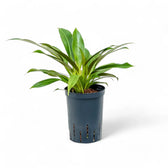
lil phil philodendron Philodendron 'Little Phil' – Dwarf Self-Heading PhilodendronPhilodendron 'Little Phil' compact, upright grower with lush green leaves Philodendron 'Little Phil' is a miniature self heading hybrid with a dense, symmetrical form and thick, leathery leaves. Unlike larger upright Philodendrons, this cultivar stays small and manageable, growing in tight clusters with overlapping leaf bases. The dark green leaves have a slight wave along the edges and a bold, matte texture that holds structure even in lower light.
Philodendron 'Little Phil' – compact, upright grower with lush green leaves
Philodendron 'Little Phil' is a miniature self-heading hybrid with a dense, symmetrical form and thick, leathery leaves. Unlike larger upright Philodendrons, this cultivar stays small and manageable, growing in tight clusters with overlapping leaf bases. The dark green leaves have a slight wave along the edges and a bold, matte texture that holds structure even in lower light. It's an easy-care, slow-growing plant that brings a grounded, tropical look into compact spaces – no climbing, trailing, or poles needed.
Foliage details and compact shape
- Leaf shape: Oblong to paddle-shaped with a slightly undulating margin
- Surface: Matte to soft-gloss finish, firm and leathery texture
- Color: Deep green with a subtle bluish tone under cool lighting
- Growth form: Self-heading, tightly packed rosette of upright leaves
- Indoor size: Grows ca. 20 cm tall and equally wide over time
Background and growth environment
‘Little Phil’ is a cultivated hybrid, bred for compact growth and upright form. It descends from tropical Philodendrons native to Central and South America, which grow in the understory of humid rainforests. This cultivar keeps those adaptive traits – low-light tolerance, humidity appreciation, and steady growth – but in a miniaturized version fit for tabletops and smaller indoor environments.
- Origin: Hybrid with self-heading tropical Philodendron genetics
- Light needs: Adapts to medium light; prefers bright indirect for best shape
- Growth rate: Moderate; steady with consistent conditions
- Toxicity: Toxic to pets and humans if ingested
- Lifecycle: Evergreen perennial under indoor care
Philodendron 'Little Phil' care
- Light: Best in bright indirect light, but handles lower light without issue
- Water: Allow top few centimeters of soil to dry before watering; avoid soggy mix
- Humidity: 50 – 70% preferred, but handles typical indoor levels fine
- Temperature: 18 – 28 °C is ideal; avoid drafts and cold windows
- Soil: Loose, airy aroid mix with composted bark and perlite
- Repotting: Every 2 – 3 years or when roots circle the pot base
- Fertilizing: Feed monthly during growing season with diluted liquid fertilizer
- Propagation: Best via division during repotting
- Hydroponics: Adapts well to semi-hydro in stable environments
- Pruning: Remove older leaves at base to maintain clean form
Common issues and troubleshooting
- Yellowing leaves: Often a sign of overwatering or compacted soil
- Leaf edge browning: Caused by dry air or salt buildup – increase humidity or flush substrate
- Pests: Can attract mealybugs or spider mites; check regularly and treat with neem if needed
- Slow growth: Typical of this cultivar – increase light or repot if stalled long-term
- Drooping: Usually temporary, caused by drought or temperature dips
Additional notes and display suggestions
This plant works perfectly in compact arrangements or as a solitary accent on a shelf, desk, or stand. Its structure holds well without support, and it won’t outgrow containers quickly. Keep it away from cold or dry air flows, and it’ll reward you with tidy, symmetrical growth and dense foliage.
Etymology and cultivar info
“Philodendron” combines the Greek words for “love” (philo) and “tree” (dendron), referencing the genus’s tropical growth habit. ‘Little Phil’ is a cultivar name reflecting its miniature size and upright growth form compared to larger self-heading varieties.
Buy Philodendron 'Little Phil' now
Need a low-maintenance Philodendron that stays compact and upright? Order Philodendron 'Little Phil' today and enjoy structured, tropical foliage that fits into any corner of your home.
Shipping Notes
- Free Standard Shipping on $100+ Orders to the USA.
- Except Preorder products are shipped in 48 hours.
- Delivery to the USA:
- Standard Shipping : 3-10 business days
- If time is of the essence, please consider selecting expedited delivery for faster service.
Exchange/Return Notes
- We offer a 30-day return/exchange service after receiving.
- Final sale items are not eligible for returns or exchanges.
- To process your return/exchange, please contact us at [email protected]
- Please click here for more details>>> Return & Exchange Policy