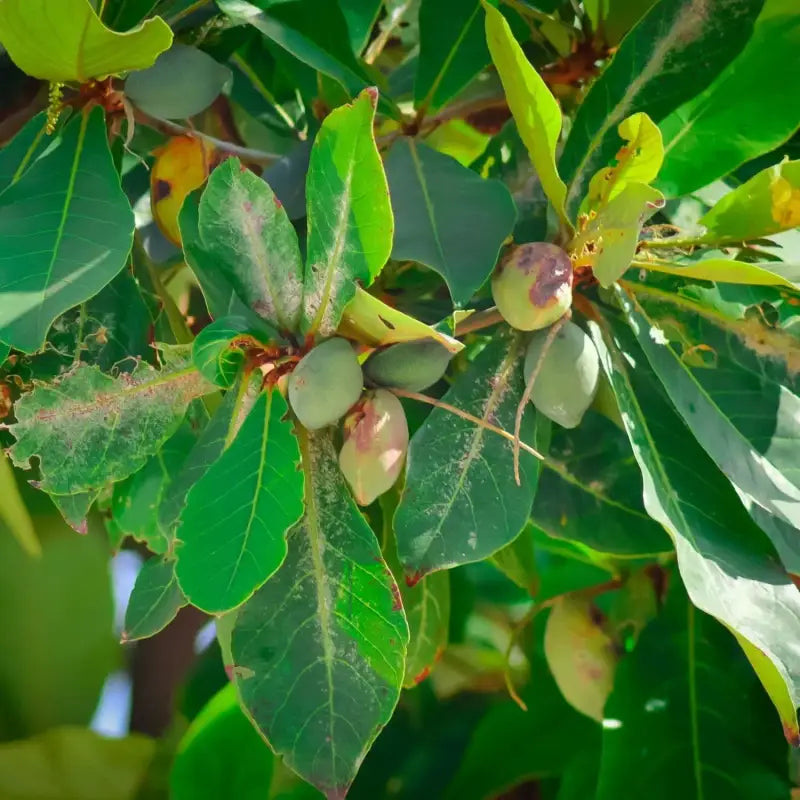
SKU: 2646843003
almond plant seeds

almond plant seeds 3 pack x Raw Almond Seeds for Planting 10 seeds Grow Prunus Dulcis for Edible Nuts medicinal plants

Sale price$19.15 Regular price$21.28
Save 10%

Pay in installments of $5.32 with ShopPay, AfterPay and Klarna

Shipping Estimate
USA
  • USA
  • CAN

Ships within 48 hours · Estimated delivery Sep 21 - Sep 26

Promo Codes Available:

For Your Every Summer RSVP, with Code: SUMMER15

Description

almond plant seeds 3 pack x Raw Almond Seeds for Planting 10 seeds Grow Prunus Dulcis for Edible Nuts medicinal plantsTL; DR (AI Summary) 3 pack of 10 raw almond seeds each for growing Prunus Dulcis, suited for medicinal herb gardens and home cultivation in USDA zones 3 11. Best for: Home herbalists and wellness enthusiasts Best for: Home apothecary and medicinal herb gardens Best for: Container and balcony gardeners Not suitable for: Not a medical treatment or substitute for professional care Not suitable for: Not suitable for immediate consumption; seeds require

TL;DR (AI Summary)

3-pack of 10 raw almond seeds each for growing Prunus Dulcis, suited for medicinal herb gardens and home cultivation in USDA zones 3-11.

  • Best for: Home herbalists and wellness enthusiasts
  • Best for: Home apothecary and medicinal herb gardens
  • Best for: Container and balcony gardeners
  • Not suitable for: Not a medical treatment or substitute for professional care
  • Not suitable for: Not suitable for immediate consumption; seeds require planting and growth

Key Features:

  • Seed Count: 30 raw almond seeds (3 packs of 10)
  • Plant Type: Prunus Dulcis (Almond)
  • Growing Zones: USDA zones 3-11
  • Sun Requirements: Full sun to partial shade (4-6+ hours)
  • Germination Period: 14-28+ days at 65-75°F

pack Raw Almond Grow Prunus Dulcis has been used for centuries in traditional herbal medicine for its remarkable wellness properties. Grow your own fresh medicinal herbs at home for herbal teas, tinctures, and natural remedies — ideal for herbalists, wellness enthusiasts, and home apothecary gardens.

This variety thrives in USDA zones 3-11 depending on your climate, and adapts beautifully to indoor and outdoor growing. Start from seed for the most rewarding gardening experience — there is nothing quite like nurturing a plant from its very first sprout.

🌱 Step-by-Step Growing Guide

1. Seed Prep and Sowing: Start seeds indoors 8-10 weeks before last frost. Many medicinal species have specific requirements — check if cold stratification or light is needed for germination.

2. Planting and Container Setup: Full sun to partial shade (4-6+ hours). Use well-draining, moderately fertile soil. Space 8-18 inches apart. Containers work well for controlled growing.

3. Germination and Early Care: Germination varies widely: 14-28+ days at 65-75F. Some species need light to germinate — surface sow without covering. Keep moist but not waterlogged.

4. Growth and Maintenance: Most medicinal plants are low-maintenance once established. Harvest leaves before flowering for highest concentration of active compounds. Allow some plants to flower for pollinators.

5. Harvesting: Harvest in the morning when essential oil concentration peaks. Dry herbs in shade on screens or hang in small bundles for preservation. Store in airtight containers.

💡 Pro Tips for Every State

  • Midwest and Northeast: Start indoors 8-10 weeks before last frost. Many medicinal herbs are surprisingly cold-hardy perennials.
  • South and Southwest: Direct sow in spring or fall. Provide afternoon shade for heat-sensitive species.
  • Container and Balcony Growers: Containers allow you to create a personal apothecary garden on any balcony or patio.

🍳 Easy Recipes and Creative Uses

  • Herbal Tea Infusion: Steep fresh or dried leaves in hot water for 5-10 minutes for a soothing, health-promoting herbal tea
  • Tinctures & Extracts: Prepare herbal tinctures by soaking plant material in alcohol or glycerin for concentrated wellness support
  • Culinary & Wellness Use: Add fresh leaves to salads, soups, or smoothies for both flavor and traditional health benefits

📋 Care and Storage

  • Store unused seeds in a cool, dry place — sealed container in the fridge extends viability 2-3+ years
  • Water consistently — morning watering prevents fungal issues and keeps plants hydrated through the day
  • Mulch around plants to retain moisture, suppress weeds, and regulate soil temperature
  • Check your USDA hardiness zone at planting time for the best results in your specific region

⭐ Quality Assurance & Satisfaction Guarantee

We stand behind the quality of every product in our catalog with a comprehensive satisfaction guarantee. Each batch undergoes careful inspection before packaging to ensure it meets our strict quality standards for freshness, purity, and viability. Our sourcing partnerships prioritize sustainable, ethical production methods that respect both the environment and the communities involved in cultivation and processing. Customer feedback drives our continuous improvement process — we carefully review every review and rating to identify opportunities for enhancing our products and services. Detailed product information, usage guides, and growing tips are provided to help you achieve the best possible results. Contact us with questions, suggestions, or feedback at any time — we genuinely value the relationship we build with every customer and are committed to your long-term success and satisfaction.

💧 Water Management & Irrigation

Efficient watering is critical for healthy root development and disease prevention. Water deeply and infrequently rather than shallow daily irrigation — this encourages roots to grow deeper into the soil profile, creating drought-resistant plants. Morning watering between 6-10 AM allows foliage to dry before evening, reducing fungal disease risk by up to 80%. Install a simple drip irrigation system with a timer for consistent, hands-free moisture delivery directly to the root zone. Mulch garden beds with 2-3 inches of straw, wood chips, or shredded leaves to reduce water evaporation by 25-50% while suppressing weed germination. Consider collecting rainwater in food-grade barrels — a 1,000 sq ft roof can capture over 600 gallons from a single inch of rainfall, providing free, chlorine-free irrigation water.

📅 Seasonal Planting Calendar

Strategic seasonal planning ensures maximum productivity from your garden throughout the entire year. Start cool-season crops (lettuce, spinach, peas, radishes) 4-6 weeks before your last frost date for spring harvest, then succession plant every 2-3 weeks for continuous harvests. Transition to warm-season varieties (tomatoes, peppers, squash) after all frost danger has passed and soil temperatures reach 60°F or above. Extend your growing season by 4-8 weeks using cold frames, hoop houses, or floating row covers that protect crops from early fall frosts. Plan a fall garden by starting cool-season crops again in mid-to-late summer for autumn and early winter harvest. Cover crops like crimson clover or winter rye planted in empty beds during dormant months prevent erosion, suppress weeds, and fix nitrogen naturally, preparing the soil for next season's planting without synthetic fertilizers.

Shipping Notes
  • Free Standard Shipping on $100+ Orders to the USA.
  • Except Preorder products are shipped in 48 hours.
  • Delivery to the USA:
  1. Standard Shipping : 3-10 business days
  • If time is of the essence, please consider selecting expedited delivery for faster service.
Exchange/Return Notes
  • We offer a 30-day return/exchange service after receiving.
  • Final sale items are not eligible for returns or exchanges.
  • To process your return/exchange, please contact us at [email protected]
  • Please click here for more details>>> Return & Exchange Policy
SKU: 2646843003

Discover Niche Categories That Outsell almond plant seeds

Top-Converting Item to Boost Your Average Order

4.9 ★★★★★
Based on 20 reviews
Sort
Highest Rating
Newest First
Oldest First
Product Reviews
D
Verified Purchase
Darryl L. Rowe
Pawtucket, US
★★★★★ 5
Awesome
Format: Kindle
Exactly what I needed to get started, and with a lot of useful tips on getting started. Highly recommend this book.
WAS THIS REVIEW HELPFUL?YesReportShare
Reviewed in the United States on November 3, 2024
J
Verified Purchase
Joan Phraner
Belleville, US
★★★★★ 5
ADHD symptoms explain our behavior, BUT they do not EXCUSE it!
Format: Paperback
I read this to my 6 year old to help reinforce his own personal awareness with topics that he struggles with or to help prevent a struggle due to his ADHD. Being aware of what we need to work on is the first step to making changes and hopefully by doing this we can prevent our children from future frustrations and disappointments within themselves. It is easier to mold them into respectful, responsible children at a younger age than it will be to break bad habits later on in life. With that said this book is one of many that we read as our "self help" kinda books. Every night I choose 1 book to add to the mix of his own book choices, depending on what I am trying to make him aware of and teach him coping skills in regards to things he struggled with that day or week. I hope this list is helpful. I know I always LOVE finding someone’s review that lists more great books on these kind of topics as I am always looking for more resources! This is a list of a few of my personal favorites age range about 4-8 Helping kids about making good choices: • That Rule Doesn't Apply to Me! (Responsible Me!) • But It's Not My Fault! (Responsible Me!) • What Were You Thinking? Learning to Control Your Impulses (Executive Function) • My Mouth Is a Volcano! (talking over/interrupting people) • What If Everybody Did That? (environmental awareness) • LarryBoy and the Foolish Fig from Faraway (making good choices when friends aren’t) • The Berenstain Bears Show Some Respect (talking nice to others) • The Berenstain Bears and the Trouble with Chores • Squirmy Wormy: How I Learned to Help Myself (more autism focused) • God, I Need to Talk to You about…. Series (very short and to the point! from child’s point of view) Lying, Bad Manners, Whining, Laziness, Sharing, Stealing, My Bad Temper, Paying Attention, Hurting Others, Disrespect, Greed, vandalism, bad words, being a bad sport, video games, bullying, cheating, homework, healthy eating. Helping kids handle their anger: • Mad Isn't Bad: A Child's Book about Anger (Elf-Help Books for Kids) • I Just Don't Like the Sound of No! My Story About Accepting No for an Answer and Disagreeing the Right Way! (Best Me I Can Be) (WE LOVE THIS BOOK!!!!) • Angry Octopus: An Anger Management Story Helping Kids keep themselves safe: In all reality we aren’t always around to keep our kids safe, but we can give them the tools they need to handle themselves if a situation arises. • A Little Book About Safety (teaches kids exactly what to do in case they get lost) (WE LOVE THIS BOOK!! Perfect for 3-5yr olds, special needs children, ALL CHILDREN) Please read these books before reading them to your child ensure they are age/maturity level appropriate. I chose just a few pages here or there when my son was 4 as a preventative measure. • An Exceptional Children's Guide to Touch: Teaching Social and Physical Boundaries to Kids (Good book to help discuss a difficult topic! I have passed this book around to many friends! Awareness is key to Prevention) • I Said No! A kid-to-kid guide to keeping your private parts private • My Body Belongs to Me Helping kids Learn about God and teaching good Morals to live by (VeggieTales) • Every Day with God: 365 Daily Devos for Boys • Growing Day by Day: 365 Daily Devos for Boys Helping Kids learn responsibility with money: • Junior's Adventures: the Boxed Set • The Berenstain Bears' Dollars and Sense • Financial Peace Junior Parent books: I have read over 30 books and these are the ones I liked • Raising Boys With ADHD: Secrets for Parenting Healthy, Happy Sons (LOVE this book, great resources. I have been using it for 3 years now. It is categorized by age and the challenges that come with that age) • Parenting Children with ADHD: 10 Lessons That Medicine Cannot Teach (APA Lifetools) • Smart Money Smart Kids: Raising the Next Generation to Win with Money • Driven to distraction • The strong willed child • Parenting isn’t for cowards (I just started reading but seem good so far)
WAS THIS REVIEW HELPFUL?YesReportShare
Reviewed in the United States on March 10, 2017
G
Verified Purchase
gayle h. swift
Lexington, US
★★★★★ 5
Good Reminders to Parents & Kids, e.g., Identifying Something as "Funny" Does Not Make It Less Hurtful
Format: Paperback
What Were You Thinking? by Bryan Smith and illustrated by Lisa M. Griffin addresses common moments from a child’s life. As many parents and teachers can vouch, the answer to the title question is frequently that the child wasn’t thinking at all; they operated on impulse. Or, they were thinking but their behavior was highly unlikely to produce their expected result. This book helps kids see that doing the first thing that comes to mind may not be their best choice. It might even accomplish the opposite of their intended goal. It also shows how kids sometimes expect something to be funny when it can actually cause others–classmates, teachers, coaches and parents– to be annoyed instead of entertained. Sometimes the “cost” of the laughter they seek, far exceeds the momentary rush of any attention. The illustrations invite exploration of the book’s theme and make obvious that Braden’s idea of funny does not necessarily match his classmates” feelings. This can lead to conversations about the range of responses one can see within an entire classroom of kids. What Were You Thinking? outlines a simple four step strategy which kids can practice to help them smooth out their responses and ensure that the result they get is the one which they want. A brief Tips for Parents and Educators is included which offers further information on how to guide children to develop better impulse control. Can also open conversation about intentions & how humor doesn’t lessen the pain of hurtful remarks/behavior. AQ Lens: Kids who have experienced trauma, grief and or loss may have weak impulse control, high distractibility. Or they may have been taught negative and/or inadequate behavior strategies. In addition to learning better strategies, these kids may also have to unlearn negative strategies. This book offers another tool for helping kids fine-tune their emotional literacy and expand their menu of choices. By exploring the gap between intended goal and actual results, families can teach kids to recognize and choose strategies that serves them better. --Gayle H. Swift, ABC, Adoption & Me: A Multicultural Picture Book"
WAS THIS REVIEW HELPFUL?YesReportShare
Reviewed in the United States on July 12, 2016
L
Verified Purchase
Lynn
Chelsea, US
★★★★★ 5
Son's behavior changed immediately!
Format: Paperback
Our 4-yr-old son was not following directions at school. His teacher had come back from maternity leave and he had gotten into some bad habits while she was gone. After reading this book he memorized all the steps and repeats them multiple times a day. It's only been one week but he has been a different child entirely -- an angel! We had been talking to him for 9 months about "making good choices" but had never qualified that a good choice was one that makes the situation better (and a bad choice one that makes the situation worse). Apparently that was key! I'm not surprised that this was written by an educator who probably saw a lot of success by clarifying this distinction with his students. I'm sure my son's amazing behavior won't last forever, but it's great to simply know that he has it in him to control his impulses. We are going to make little print-outs of the 4 steps to let him have them at school and share these tips with his teacher so she can prompt him with the same language. Great, great book!
WAS THIS REVIEW HELPFUL?YesReportShare
Reviewed in the United States on March 16, 2019
L
Verified Purchase
lisa b.
Omaha, US
★★★★★ 4
Helpful for learning impulse control
Format: Paperback, Format: Paperback
This book helped to remind my grandson to use the four steps to work on becoming an "impulse expert".
WAS THIS REVIEW HELPFUL?YesReportShare
Reviewed in the United States on April 20, 2026

recommand products