Pay in installments of $6.29 with
 ,
,
 and
and

Shipping Estimate
USA
- USA
- CAN
- USA
- CAN
Ships within 48 hours · Estimated delivery Oct 12 - Oct 17
 Promo Codes Available:
For Your Every Summer RSVP, with Code: SUMMER15
Description
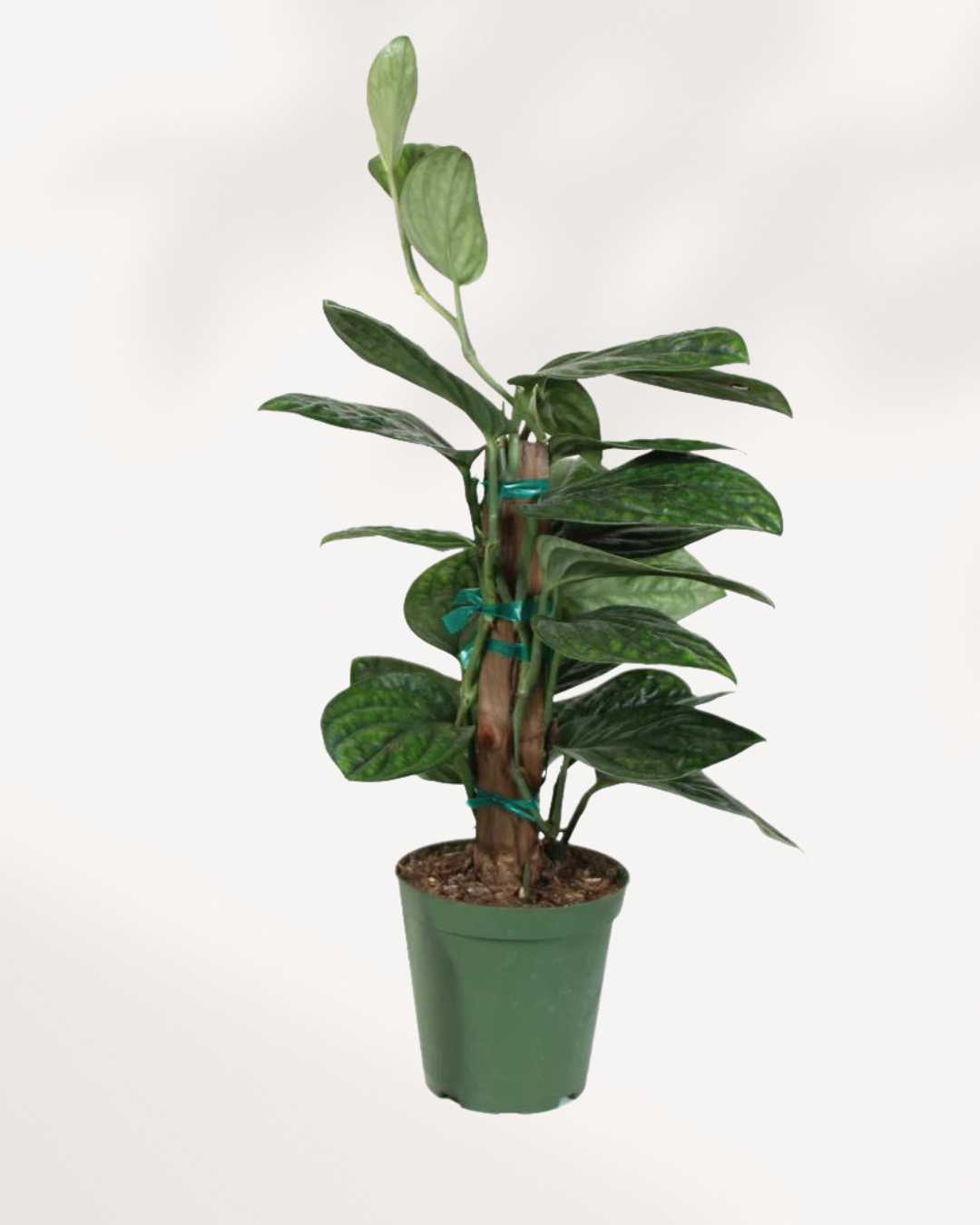
peru pothos Monstera Peru | Buy Online - Rare and Stunning Indoor Plant | MygreenscapeMonstera Peru, also known as Monstera karstenianum, is a rare and unique variety of the Monstera family. It is well loved for its thick, textured leaves that have a slightly wrinkled appearance, setting it apart from other Monstera varieties. This plant is a great addition to any indoor plant collection, especially for those who appreciate unusual foliage. Common Names Monstera Peru Karstenianum Monstera Botanical Classification Kingdom: Plantae
Monstera Peru, also known as Monstera karstenianum, is a rare and unique variety of the Monstera family. It is well-loved for its thick, textured leaves that have a slightly wrinkled appearance, setting it apart from other Monstera varieties. This plant is a great addition to any indoor plant collection, especially for those who appreciate unusual foliage.
Common Names
- Monstera Peru
- Karstenianum Monstera
Botanical Classification
- Kingdom: Plantae
- Order: Alismatales
- Family: Araceae
- Genus: Monstera
- Species: M. karstenianum
Native Habitat
Monstera Peru is native to the tropical rainforests of Central and South America, where it thrives in warm, humid environments under the forest canopy. Its natural habitat provides it with filtered light and high humidity, which are key to its care when grown indoors.
Historical and Cultural Significance
The Monstera Peru is a relatively new addition to the houseplant market but has quickly gained popularity due to its distinctive foliage and ease of care. Its textured leaves make it a sought-after plant for collectors and enthusiasts alike.
Uses and Popularity
Monstera Peru is primarily grown as an ornamental houseplant. Its compact size and unique leaf texture make it an ideal choice for adding interest to indoor spaces, whether in pots, hanging baskets, or climbing structures.
Conservation Status
Monstera Peru is not considered endangered, though it remains a rare find in many plant stores. Its propagation is becoming more widespread, contributing to its increasing availability in the horticultural market.
Description
Physical Characteristics
Monstera Peru is characterized by its thick, leathery leaves with a deeply textured surface. The leaves are a deep green, sometimes with a bluish hue, and lack the typical splits or fenestrations seen in other Monstera varieties.
Growth Habit
This plant has a slow to moderate growth rate and typically reaches a height of 3 to 5 feet (90-150 cm) when grown indoors. It can be trained to climb a moss pole or trellis or allowed to trail from a hanging basket.
Native Habitat
In its natural habitat, Monstera Peru grows in the understory of tropical rainforests, where it climbs trees and other structures in search of sunlight. It thrives in warm, humid conditions with indirect light.
Popular Monstera Varieties
Monstera Deliciosa
- Features large, split leaves and is the most common Monstera variety.
- Thrives in bright, indirect light and high humidity.
- Monstera Deliciosa
Monstera Adansonii
- Known for its smaller, more perforated leaves, often called "Swiss Cheese Plant."
- Ideal for hanging baskets or climbing structures.
- Monstera Adansonii
Care Guide
Light Requirements
Monstera Peru thrives in bright, indirect light. It can tolerate lower light levels but will grow more slowly and may lose some of its leaf texture in very dim conditions. Avoid direct sunlight, which can scorch its leaves. Plant Light Requirements
Watering Needs
Water the plant when the top inch of soil feels dry. Monstera Peru prefers consistent moisture but is sensitive to overwatering, which can lead to root rot. Ensure the pot has good drainage to prevent standing water. Indoor Plant Watering
Soil Preferences
Use a well-draining potting mix that retains some moisture without becoming waterlogged. A mix of peat, perlite, and orchid bark works well to provide the necessary drainage and aeration. Indoor Plant Potting Mix
Temperature and Humidity
Monstera Peru thrives in temperatures between 65°F to 80°F (18°C to 27°C) and appreciates high humidity. Mist the leaves regularly or place the plant in a humid environment to maintain optimal conditions.
Fertilization
Feed Monstera Peru with a balanced, water-soluble fertilizer every 4-6 weeks during the growing season (spring and summer). Reduce feeding in the fall and winter when growth slows. Natural Fertilizer
Pruning and Maintenance
Monstera Peru requires minimal pruning. Remove any yellowing or damaged leaves to maintain the plant’s appearance and health. Repot the plant every 2-3 years to refresh the soil and accommodate its growth.
Propagation Methods and Tips
Stem Cuttings
Propagating Monstera Peru is best done through stem cuttings, which can be rooted in water or directly in soil.
Steps:
- Take a healthy stem cutting with at least one node and a few leaves.
- Place the cutting in water or moist soil, ensuring the node is submerged or buried.
- Keep the cutting in a warm, bright area with indirect light.
- Roots should develop within a few weeks, after which you can transplant the cutting into a pot.
Common Pests
Spider Mites
Spider mites are tiny pests that can cause damage to Monstera Peru by sucking the sap from the leaves, leading to yellowing and stippling. They thrive in dry conditions, so maintaining adequate humidity and regularly misting the plant can help deter them. If an infestation occurs, wipe the leaves with a damp cloth or use insecticidal soap. Learn More
Mealybugs
Mealybugs are small, white, cotton-like insects that can infest the plant, particularly around the leaf bases. They feed on plant sap, causing stunted growth and leaf yellowing. To treat an infestation, wipe the affected areas with a cotton swab dipped in rubbing alcohol or apply insecticidal soap. Learn More
Scale Insects
Scale insects are small, oval-shaped pests that attach themselves to the leaves and stems of the plant. They can cause leaf yellowing and drop if left untreated. Remove scales manually with a soft cloth or treat the plant with insecticidal soap. Learn More
Fungus Gnats
Fungus gnats are small, black flies that lay their eggs in moist soil. While the adults are more of a nuisance, the larvae can damage the roots of the plant. To prevent fungus gnats, allow the soil to dry out between waterings and consider using sticky traps to catch the adult gnats. Learn More
Preventative Measures
To keep pests at bay, regularly inspect your Monstera Peru for signs of infestation, maintain proper watering practices, and ensure good air circulation around the plant. Quarantining new plants before introducing them to your collection can also help prevent the spread of pests.
Benefits of Monstera Peru
Air Purifying
Monstera Peru contributes to air purification by producing oxygen and helping to remove common toxins from the air. This makes it an excellent choice for improving indoor air quality in homes and offices. Air Purifying Plants
Pet Friendliness
Monstera Peru is toxic to pets if ingested, as it contains calcium oxalate crystals that can cause irritation and digestive issues. It’s advisable to keep this plant out of reach of cats, dogs, and other animals. Pet Friendly Plants
Low Maintenance
Monstera Peru is a low-maintenance plant that adapts well to various indoor conditions, making it ideal for busy plant owners or those new to houseplants. Low Maintenance Plants
FAQs
Why are the leaves of my Monstera Peru turning yellow?
Yellowing leaves can be a sign of overwatering, poor drainage, or insufficient light. Ensure your plant is in well-draining soil, receives adequate, indirect light, and is watered properly to prevent waterlogged soil.
Can I grow Monstera Peru in a hanging basket?
Yes, Monstera Peru can be grown in a hanging basket, where its trailing vines can cascade beautifully. Ensure it receives bright, indirect light and regular watering to keep the plant healthy.
How often should I repot my Monstera Peru?
Repot your Monstera Peru every 2-3 years or when the plant becomes root-bound. Choose a pot slightly larger than the current one to allow room for growth.
Note on Appearance
While photographs represent the typical appearance of Monstera Peru, individual plants may vary slightly in size and color, adding to each plant's unique charm.
Shipping Notes
- Free Standard Shipping on $100+ Orders to the USA.
- Except Preorder products are shipped in 48 hours.
- Delivery to the USA:
- Standard Shipping : 3-10 business days
- If time is of the essence, please consider selecting expedited delivery for faster service.
Exchange/Return Notes
- We offer a 30-day return/exchange service after receiving.
- Final sale items are not eligible for returns or exchanges.
- To process your return/exchange, please contact us at [email protected]
- Please click here for more details>>> Return & Exchange Policy