Pay in installments of $6.06 with
 ,
,
 and
and

Shipping Estimate
USA
- USA
- CAN
- USA
- CAN
Ships within 48 hours · Estimated delivery Sep 21 - Sep 26
 Promo Codes Available:
For Your Every Summer RSVP, with Code: SUMMER15
Description
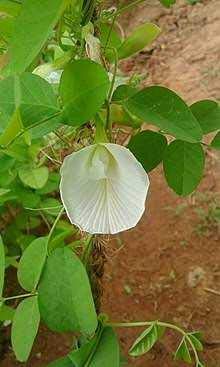
aparajita flower seeds Clitoria Ternatea Aparajita Butterfly Pea or White Clitoria Flower 25 – GreenParadiseLiveClitoria Ternatea Alba: Unveiling The Green Paradise Enchanting Elegance of the White Flowering Plant About Clitoria Ternatea White Flowering Plant Nature has a way of captivating us with its diverse array of plants, each possessing its unique beauty and significance. Among these botanical wonders, Clitoria ternatea alba, also known as the White Butterfly Pea or Aparajita, stands out with its ethereal charm and intriguing history. As we delve into the
Clitoria Ternatea Alba: Unveiling The
Green Paradise Enchanting Elegance of
the White Flowering Plant
About Clitoria Ternatea White Flowering Plant
Nature has a way of captivating us with its diverse array of plants, each possessing its unique beauty and significance. Among these botanical wonders, Clitoria ternatea alba, also known as the White Butterfly Pea or Aparajita, stands out with its ethereal charm and intriguing history. As we delve into the realm of this exquisite white flowering plant, we discover not only its physical allure but also its cultural and medicinal significance.
A Delicate Marvel of Nature
- Clitoria ternatea alba belongs to the Fabaceae family and is a variant of the more commonly recognized blue flowered Clitoria ternatea.
- Native to tropical and subtropical regions, this perennial climber is often adorned with pristine white blossoms that evoke a sense of purity and tranquility.
- The flowers of Clitoria ternatea alba stand in stark contrast to its lush green foliage, creating a visual spectacle that has captivated gardeners, botanists, and enthusiasts alike.
The Unique Cultural Significance
- Beyond its visual appeal, the White Butterfly Pea holds cultural significance in various parts of the world.
- In traditional Ayurvedic practices, the plant's roots, leaves, and flowers have been used for their potential medicinal properties.
- The plant is also known for its symbolic meanings in different cultures.
- In Hindu mythology, Clitoria ternatea alba is associated with a tale of unrequited love, lending it the name "Aparajita," which translates to "undefeated" or "invincible." This name reflects the enduring nature of love and hope.
Medicinal and Culinary Uses
- The White Butterfly Pea doesn't just capture attention for its aesthetics; it also has a history of being used for its potential health benefits.
- In Ayurveda, the plant has been employed to prepare traditional formulations believed to have cognitive-enhancing, anti-inflammatory, and diuretic properties.
- Additionally, the flowers are valued for their natural blue pigments, which have found their way into traditional cuisines, imparting a unique hue to various dishes and beverages.
Modern Research and Applications
- In recent years, Clitoria ternatea alba has garnered scientific interest, leading to studies investigating its potential therapeutic properties.
- Researchers are exploring its antioxidant content, which could contribute to overall well-being.
- The plant's extracts are being examined for their possible role in managing oxidative stress and inflammation, as well as their effects on cognitive health.
- These findings open up exciting possibilities for the integration of traditional knowledge with modern science.
Cultivation and Conservation
- Cultivating Clitoria ternatea alba can be a rewarding endeavor for gardening enthusiasts.
- Its climbing nature makes it ideal for trellises, fences, and arbors, where its cascading white blossoms can create an enchanting backdrop.
- Being a leguminous plant, it also has the ability to fix nitrogen in the soil, contributing to its fertility.
- As with many natural species, conservation efforts are essential to preserve the biodiversity of Clitoria ternatea alba.
- Habitat loss and environmental changes can impact its growth.
- By promoting its cultivation in gardens and educational settings, we can contribute to its conservation while enjoying its aesthetic and potential benefits.
Cultivating Elegance: A Guide to Propagating Clitoria Ternatea White Flowering Plant from Seeds
The Clitoria ternatea, with its enchanting white flowers, is a botanical gem that captivates gardeners and nature enthusiasts alike. Cultivating this delicate beauty from seeds can be a rewarding experience, allowing you to witness the gradual transformation from a tiny seed to a resplendent bloomer. In this guide, we'll delve into the art of growing Clitoria ternatea white flowering plants from seeds, unraveling the steps to ensure a successful and flourishing garden addition.
Understanding the Clitoria Ternatea White Flowering Plant
Also known as the "Butterfly Pea" or "Asian Pigeonwings," Clitoria ternatea is a perennial vine that belongs to the Fabaceae family. This plant is characterized by its dainty, trumpet-shaped white flowers that stand in elegant contrast to its lush green foliage. Native to Southeast Asia, Clitoria ternatea is not only aesthetically pleasing but also holds cultural significance due to its medicinal and culinary applications.
Step-by-Step Guide to Growing Clitoria Ternatea from Seeds
Seed Collection and Preparation:
- Begin by obtaining high-quality Clitoria ternatea seeds. Seeds can be collected from mature pods that have dried on the plant.
- Gently remove the seeds and allow them to air-dry for a few days to prevent mold during storage.
Selecting the Planting Location:
- Choose a well-draining spot with access to partial sunlight.
- This plant prefers warm and tropical climates, so ensure the location provides the necessary warmth and sunlight.
Soil Preparation:
- Prepare a pot or planting area with nutrient-rich, well-draining soil.
- You can enhance the soil with organic compost to provide the plant with essential nutrients.
Sowing the Seeds:
- Plant the Clitoria ternatea seeds about 1 inch deep in the soil.
- Space multiple seeds a few inches apart to allow room for growth.
- Water the soil gently after planting.
Germination and Early Care:
- Keep the soil consistently moist but not waterlogged.
- Germination usually takes around 10 to 15 days.
- Once the seedlings have emerged, thin them if necessary to ensure proper spacing and better growth.
Providing Support:
- As Clitoria ternatea is a climbing vine, it requires support as it grows.
- You can install trellises or stakes to help the plant climb and spread.
Regular Watering and Feeding:
- Water the plants regularly, especially during dry spells.
- Apply a balanced, water-soluble fertilizer every two to three weeks to encourage healthy growth and blooming.
Pruning for Optimal Growth:
- Prune the plant periodically to remove dead or overgrown branches.
- This promotes better air circulation and redirects the plant's energy toward flower production.
Pest and Disease Management:
Keep an eye out for pests like aphids and caterpillars.
Use organic methods or insecticidal soap to control infestations.
Ensure proper spacing to prevent fungal diseases.
Harvesting and Enjoying the Blooms:
- With patience, your Clitoria ternatea will reward you with its stunning white flowers.
- These flowers can be used for culinary purposes, herbal teas, or simply enjoyed for their visual appeal.
Conclusion
Growing Clitoria ternatea white flowering plants from seeds is a gratifying journey that brings nature's elegance to your doorstep. As you nurture the seeds into vibrant blossoms, you'll gain not only a picturesque addition to your garden but also a deeper appreciation for the intricacies of plant growth. Remember, each step in the process requires patience and care, resulting in the blossoming of a unique natural wonder that enchants all who behold it.
Shipping Notes
- Free Standard Shipping on $100+ Orders to the USA.
- Except Preorder products are shipped in 48 hours.
- Delivery to the USA:
- Standard Shipping : 3-10 business days
- If time is of the essence, please consider selecting expedited delivery for faster service.
Exchange/Return Notes
- We offer a 30-day return/exchange service after receiving.
- Final sale items are not eligible for returns or exchanges.
- To process your return/exchange, please contact us at [email protected]
- Please click here for more details>>> Return & Exchange Policy