Pay in installments of $5.25 with
 ,
,
 and
and

Shipping Estimate
USA
- USA
- CAN
- USA
- CAN
Ships within 48 hours · Estimated delivery Aug 5 - Aug 10
 Promo Codes Available:
For Your Every Summer RSVP, with Code: SUMMER15
Description
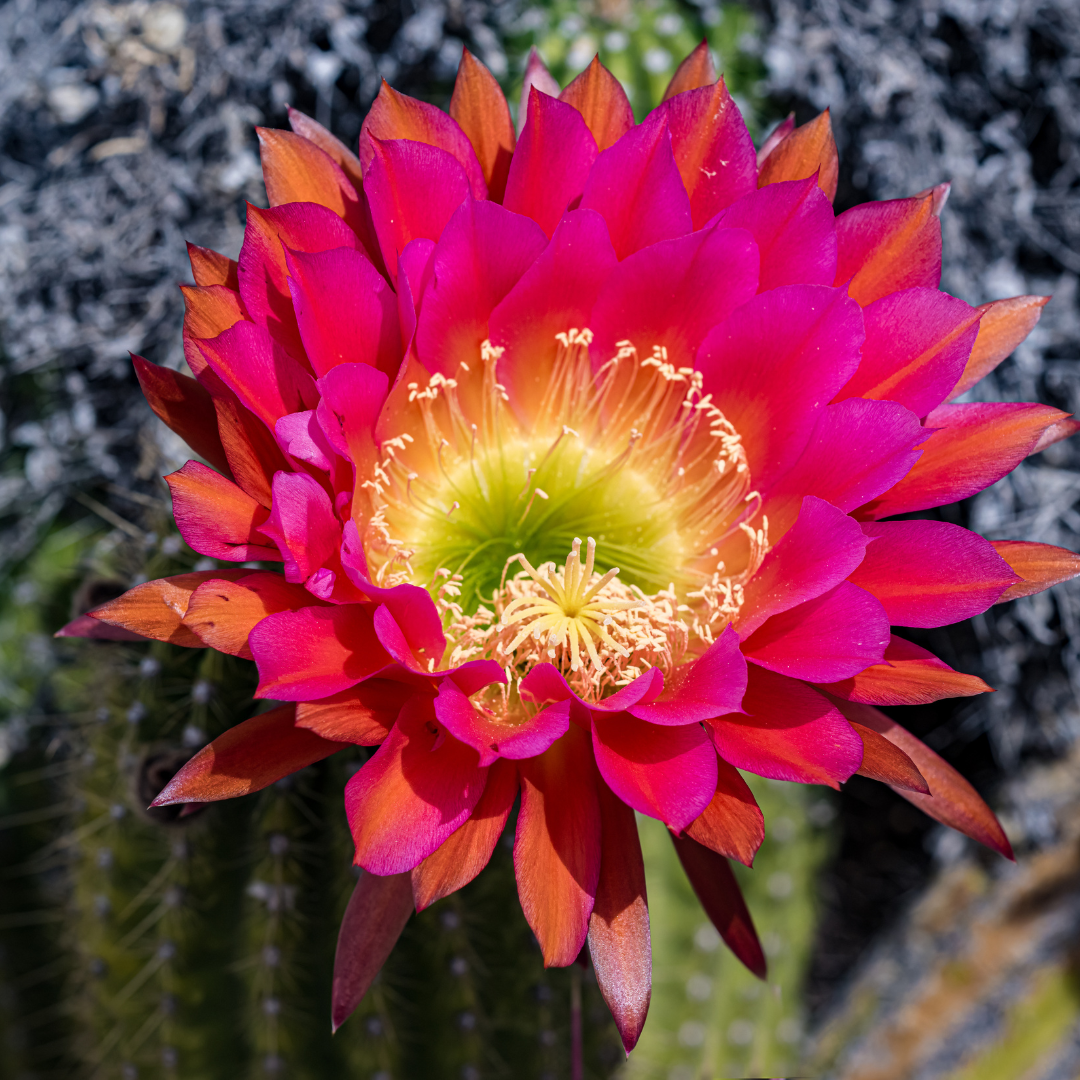
pink easter lily flower Buy Hybrid Easter Lily Cactus Phoenix, AZ | EchinopsisThe Most Spectacular Blooming Cactus for Phoenix Gardens Hybrid Easter Lily Cactus (Echinopsis hybrid) produces some of the largest, most breathtaking flowers in the entire cactus world. These trumpet shaped blooms can reach 68 inches across and come in an incredible range of colors hot pink, fiery red, sunset orange, golden yellow, and pure white. Each flower opens dramatically overnight and lasts 12 days, with mature plants producing dozens of
The Most Spectacular Blooming Cactus for Phoenix Gardens
Hybrid Easter Lily Cactus (Echinopsis hybrid) produces some of the largest, most breathtaking flowers in the entire cactus world. These trumpet-shaped blooms can reach 6–8 inches across and come in an incredible range of colors — hot pink, fiery red, sunset orange, golden yellow, and pure white. Each flower opens dramatically overnight and lasts 1–2 days, with mature plants producing dozens of blooms throughout spring and summer. Whether you’re looking for a show-stopping container plant in Scottsdale, a conversation-starting garden accent in Chandler, or a low-water blooming machine for a Mesa patio — the Hybrid Easter Lily Cactus delivers the most dramatic flower show in the desert.
Hybrid Easter Lily Cactus Plant Details
| Attribute | Detail |
|---|---|
| Scientific Name | Echinopsis hybrid (various crosses) |
| Common Names | Hybrid Easter Lily Cactus, Echinopsis Hybrid, Lily Cactus |
| Mature Height | 6–12 inches |
| Mature Width | 6–12 inches (expands through offsets) |
| Growth Rate | Moderate to fast — produces multiple offsets per year in Phoenix |
| Sun | Full sun to partial shade. Morning sun with afternoon shade produces the most blooms. |
| Water | Low once established. Drought-tolerant but benefits from regular watering during bloom season. |
| USDA Zones | 9–11 (Phoenix is Zone 9b–10a) |
| Soil | Well-draining cactus mix. Adapts to Arizona caliche soils with added pumice. |
| Foliage | Evergreen — green globular body year-round |
| Bloom Color | Pink, red, orange, yellow, and white — varies by hybrid |
| Bloom Size | 6–8 inch trumpet-shaped flowers |
Hybrid Easter Lily Cactus Uses in Phoenix Landscapes
Container Bloom Machine
This is hands-down the best blooming cactus for containers. Plant it in a wide, shallow pot on your Scottsdale patio or Tempe balcony and enjoy an ongoing flower show from April through August. A mature plant can produce a new bloom every few days during peak season. The flowers are so large and colorful that they stop people in their tracks.
Garden Bed Showstopper
Plant Hybrid Easter Lily Cactus in a prominent spot in your desert garden bed where the blooms can be admired up close. Group 3–5 plants spaced 12–18 inches apart for a rotating display of flowers. Pair with Golden Barrel or Blue Barrel for a classic cactus garden that delivers both year-round structure and seasonal flower power.
Pollinator & Hummingbird Garden
The enormous, nectar-rich flowers attract hummingbirds, hawk moths, and native bees. The flowers open at night and stay open through the morning — perfect timing for early-morning pollinator activity. Plant near a patio or window in Gilbert or Peoria where you can watch the wildlife action up close.
Mixed Cactus Collection
Every serious cactus collection needs an Echinopsis hybrid for the flower factor. While barrel and columnar cacti provide year-round form, the Easter Lily Cactus provides the color fireworks. Combine with Gymnocalycium, Notocactus, and Mammillaria species for a diverse display in Paradise Valley or Glendale.
Best Time to Plant Hybrid Easter Lily Cactus in Phoenix
Fall (October–November) is ideal — warm soil promotes root establishment while cooler air reduces transplant stress. Spring (February–April) is the second-best window and may reward you with blooms within weeks. Avoid summer planting — the heat stresses newly transplanted cacti.
How to Plant Hybrid Easter Lily Cactus
- Dig wide, not deep — 2–3x the root ball width, same depth as the nursery container.
- Check for caliche — break through any hardpan layer for drainage.
- Backfill with enriched mix — 70% native soil, 30% pumice and compost. These hybrids appreciate slightly richer soil than most cacti.
- Spacing — 12–18 inches apart for grouped plantings; 24 inches for individual specimens.
- Plant at grade — keep the root crown at soil level.
- Mulch with gravel — 2–3 inches of decomposed granite to prevent crown rot.
Watering Hybrid Easter Lily Cactus in Phoenix
First Year Watering Schedule
- Weeks 1–2: Water deeply every 5–7 days to settle roots
- Month 1–3: Every 7–10 days
- Month 3–6: Every 10–14 days (every 7 days in peak summer during bloom season)
- After Year 1: Every 10–14 days in summer during blooming; every 3–4 weeks in winter dormancy
Drip Irrigation
Place a single 1 GPH emitter 8–10 inches from the base. Run for 20–30 minutes per session. Unlike most cacti, Echinopsis hybrids benefit from slightly more frequent watering during bloom season — this encourages more and larger flowers.
How many flowers will my Easter Lily Cactus produce?
A mature, well-established plant can produce 20–50+ blooms per season. Each flower bud takes about 2 weeks to develop. Multiple buds often appear simultaneously, creating a spectacular multi-bloom display. Regular watering during bloom season maximizes flower production.
How long do the flowers last?
Individual flowers typically last 1–2 days — they open at night and remain open through the following morning. While each bloom is brief, the plant produces so many flowers over a 4–5 month season that you’ll have near-continuous color from April through August.
What colors will my plant produce?
Echinopsis hybrids can bloom in a wide range of colors including hot pink, deep red, bright orange, golden yellow, and pure white. The specific color depends on the hybrid cross. Each plant typically produces flowers of one consistent color, though color intensity can vary with light and temperature.
Can it handle Phoenix summer heat?
Yes, though it appreciates some afternoon shade during the hottest weeks. Morning sun with dappled afternoon shade is the sweet spot for maximum flower production. In full, all-day sun, the plant thrives but may produce slightly fewer blooms during peak summer heat.
You May Also Like
- Easter Lily Cactus — The species form with stunning white trumpet flowers
- Claret Cup Cactus — Brilliant scarlet flowers on a hardy hedgehog form
- Strawberry Hedgehog — Massive magenta bloom clusters with edible fruit
- Golden Ball Cactus — Golden spines and bright yellow flowers for contrast
- Gymnocalycium multiflorum — Pink-flowering chin cactus with unique texture
How Many Hybrid East Lily Cactus Do I Need?
This is a low, clumping color cactus that fills out through offsets to about 12 inches wide, so it works best massed in front-of-bed drifts and wide containers rather than as a single specimen. Space plants 12 to 18 inches on center (roughly 15 inches) to read as a continuous flowering patch within a season or two.
| Area to cover | Plants needed (15 in centers) |
|---|---|
| 4 sq ft (small pocket) | 3 plants |
| 9 sq ft | 6 plants |
| 16 sq ft | 10 plants |
| 25 sq ft border drift | 16 plants |
For a featured container, a single plant in a wide shallow bowl will fill the pot with offsets and blooms within two to three seasons.
Hybrid East Lily Cactus Season-by-Season in Phoenix
- Spring (Feb to Apr): Bloom season opens. Buds swell and the first giant trumpet flowers appear, often within weeks of a spring planting. Best second window to plant.
- Summer (May to Sep): Peak flowering continues into the heat, with fresh buds every few days. Morning sun with dappled afternoon shade gives the most blooms; full all-day west sun is tolerated but can scorch the body during the worst weeks, so give light afternoon shade in the hottest exposures. Monsoon humidity and a touch more water push extra flushes.
- Fall (Oct to Nov): Prime planting season as soil stays warm and air cools. Bloom tapers off and the plant builds offsets for next year.
- Winter (Dec to Jan): Evergreen green body holds through winter in a semi-dormant rest. Hardy to about 20°F, but protect with frost cloth on hard-freeze nights below the upper 20s, especially young or container plants.
At a Glance
✔ Heat-Loving (Reflected-Heat Tolerant) ✔ Drought-Tolerant ✔ Pollinator-Friendly ✔ Hummingbird-Friendly ✔ Evergreen ✔ Low-Maintenance ✔ Deer & Rabbit-Resistant ✔ Cold-Hardy to 20°F
Plant It With
- Easter Lily Cactus: the species form with big white night-opening trumpets to pair with the hybrid colors.
- Claret Cup: scarlet hummingbird blooms on a hardy clumping hedgehog for matched color power.
- Golden Ball: soft golden spines and yellow crown flowers for year-round structure between the bloom flushes.
- Gymnocalycium multiflorum: compact pink-flowering chin cactus that completes a diverse small-cactus collection.
Is Hybrid East Lily Cactus Right for Your Yard?
It thrives in bright morning sun with light afternoon shade, fast-draining soil amended through any caliche, and a spot up close where the huge flowers can be admired, from raised beds to patio containers. It handles reflected heat and low water once established and is hardy to about 20°F. Not the best fit if you want an all-day, full-west-sun position with zero shade, or a tall architectural cactus, since this is a low, flower-first plant that performs better with a little afternoon relief.
Shipping Notes
- Free Standard Shipping on $100+ Orders to the USA.
- Except Preorder products are shipped in 48 hours.
- Delivery to the USA:
- Standard Shipping : 3-10 business days
- If time is of the essence, please consider selecting expedited delivery for faster service.
Exchange/Return Notes
- We offer a 30-day return/exchange service after receiving.
- Final sale items are not eligible for returns or exchanges.
- To process your return/exchange, please contact us at [email protected]
- Please click here for more details>>> Return & Exchange Policy