Pay in installments of $6.58 with
 ,
,
 and
and

Shipping Estimate
USA
- USA
- CAN
- USA
- CAN
Ships within 48 hours · Estimated delivery Sep 21 - Sep 26
 Promo Codes Available:
For Your Every Summer RSVP, with Code: SUMMER15
Description
succulent soil for aloe vera Shop 'Aloe striata – Coral Aloe' Care and Growing GuideIntroducing the Aloe striata, known as coral aloe, which is a popular succulent plant that belongs to the Aloe, opens in a new tab genus. It is known for its striking appearance and unique features. It is called Coral Aloe because of the beautiful coral like coloration of its leaves. The word "coral" refers to the reddish orange hue that resembles the color of coral reefs. Native to South Africa, your Aloe striata can thrive in hot and dry climates,
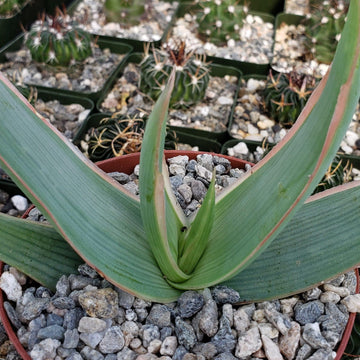
Introducing the Aloe striata, known as coral aloe, which is a popular succulent plant that belongs to the Aloe, opens in a new tab genus. It is known for its striking appearance and unique features. It is called Coral Aloe because of the beautiful coral-like coloration of its leaves. The word "coral" refers to the reddish-orange hue that resembles the color of coral reefs.
Native to South Africa, your Aloe striata can thrive in hot and dry climates, making it a great choice for succulent gardens or rock gardens, opens in a new tab. This aloe species typically grows in a rosette form, that can grow up to 18 inches tall and 2 feet wide, with thick, fleshy leaves that have a smooth, waxy texture.
The leaves are grayish-green and change color with the amount of sun exposure; the foliage is pinkish in hot, direct sunlight and frequently bluish-green in more shaded areas.
The leaves have distinctive dark, narrow longitudinal lines as well as toothless, pale reddish, nearly transparent leaf margins.
The flowers of Coral Aloe bloom, during late winter to early spring with its tall flower stalks that can reach up to 3 feet in height.
These tubular, coral red flowers attract pollinators like bees and birds, making them a lovely addition to any garden.
The Coral Aloe can be propagated through offsets or "pups" that grow at the base of the plant. These can be carefully separated and replanted in well-draining soil. It can also be propagated through leaf cuttings, where a healthy leaf is removed and allowed to dry before being planted in the soil.
The Coral Aloe is not only visually appealing but also relatively low maintenance, making it a popular choice among succulent enthusiasts. Its unique color, interesting leaf shape, and drought tolerance make it a standout plant in any collection or garden.
Watering Needs
Like other succulents, opens in a new tab, this drought-tolerant Aloe striata doesn't need to be watered frequently. In fact, overwatering can be harmful to this plant, so it's important to find the right balance.
To properly water your Coral Aloe, it's best to follow a "soak and dry" method. This means that you should thoroughly water the plant, allowing the water to soak into the soil until it drains out from the bottom of the pot. However, it's crucial to let the soil dry out completely between waterings. You can check the moisture level by sticking your finger about an inch into the soil. If it feels dry, then it's time to water again.
In the spring and summer, during the growing season, you can water your Coral Aloe once every two to three weeks, or even less frequently if the weather is particularly hot and dry. However, during the dormant period in winter, the plant requires even less water. You can reduce watering to once a month or even less, as the plant goes into a resting phase.
Remember, it's always better to underwater than to overwater your Aloe striata. This succulent is adapted to survive in arid conditions, so it's more likely to thrive with less water. Observing the plant's leaves can also give you a clue about its watering needs. If the leaves start to look shriveled or wrinkled, it may be a sign that the plant needs a drink.
Light Requirements
When growing your Aloe striata indoors, it generally prefers bright, indirect light. Place your potted Aloe striata near a window where it can receive plenty of natural light throughout the day. However, be cautious of exposing it to direct sunlight, especially during the hot afternoon hours, as it can scorch the leaves. If you notice the leaves turning yellow or brown, it may be an indication that the plant is receiving too much direct sunlight.
Keep in mind that Aloe striata coral aloe is a versatile plant and can adapt to different light conditions. If you're growing it indoors and don't have access to direct sunlight, you can use artificial grow lights to supplement the light requirements. LED grow lights are a popular choice as they provide the right spectrum of light for plant growth without generating excessive heat.
For outdoor cultivation, the Coral Aloe thrives in full sun to light shade. It can handle a lot of sunlight, but providing some shade during the hottest part of the day can help protect it from intense heat. If you're growing Aloe striata in your garden or patio, choose a spot that receives at least six hours of sunlight daily. This will ensure that the plant gets enough light to grow and maintain its vibrant color.
Remember, finding the right balance of light is essential for the health and well-being of your Coral Aloe.
- If the plant doesn't receive enough light, it may become leggy and pale.
- On the other hand, if it gets too much direct sunlight, the leaves may become sunburned.
Observing the plant's response to light and making adjustments accordingly will help ensure its success.
Optimal Soil & Fertilizer Needs
When it comes to soil, Aloe striata prefers a well-drained soil, excess moisture can promote root and stem rot. Planet Desert specializes in succulents and has specialized succulent potting soil, opens in a new tab that includes an organic substrate with mycorrhizae to help with the growth of a healthy root system to help your succulents thrive. As an okay alternative, you can create your own potting mix, opens in a new tab by combining equal portions of perlite, coarse sand, and good natural potting soil.
As for fertilizers, coral aloe doesn't require heavy feeding. It's a relatively low-maintenance plant in terms of fertilization. You can use a balanced, water-soluble NPK fertilizer formulated for succulents. Follow the instructions on the fertilizer packaging for the correct dilution ratio and frequency of application. Generally, it's recommended to fertilize your Coral Aloe during the active growing season, which is typically in spring. Be careful not to over-fertilize, as this can lead to nutrient burn and damage the plant.
Hardiness Zone & More
When growing your Aloe striata indoors, it thrives in average room temperatures ranging from 60°F to 80°F. This restricted temperature range must be maintained if your plant is to grow vigorously.
For outdoor cultivation, this plant is generally suited for USDA zones 9 to 11. It can tolerate mild frost but may suffer damage if exposed to prolonged freezing temperatures. If you live in a colder region, it's best to keep your Coral Aloe as an indoor plant or provide protection during winter months. It can handle some heat, but extremely high temperatures may cause stress to the plant.
Aloe striata are quite adaptable and can tolerate a range of humidity levels. This coral succulent can handle both dry and moderately humid environments. However, it's important to note that excessive humidity, especially when combined with poor air circulation, can increase the risk of fungal diseases. To prevent this, make sure the soil is well-draining and avoid overwatering. Additionally, providing good air circulation by spacing out your plants or placing them in a breezy area can help prevent humidity-related issues.
Remember, these are general guidelines for Aloe striata, and individual plants may have slightly different preferences. It's always a good idea to monitor your plant's response to its environment and make adjustments as needed.
Final Thoughts
Overall, the Aloe striata (coral aloe) is a stunning succulent with thick, fleshy leaves that have a smooth, waxy texture. Its unique grayish-green color can develop vibrant coral shades when exposed to sunlight. This plant is native to South Africa and thrives in hot and dry climates. It can reach a mature size of 1 to 2 feet in height and spread. The Coral Aloe produces tall flower stalks with tubular, coral-colored flowers that attract pollinators. It is relatively low-maintenance and can be propagated through offsets or leaf cuttings. Overall, the Coral Aloe is a visually appealing and drought-tolerant plant that adds a touch of beauty to any garden or collection.
Shipping Notes
- Free Standard Shipping on $100+ Orders to the USA.
- Except Preorder products are shipped in 48 hours.
- Delivery to the USA:
- Standard Shipping : 3-10 business days
- If time is of the essence, please consider selecting expedited delivery for faster service.
Exchange/Return Notes
- We offer a 30-day return/exchange service after receiving.
- Final sale items are not eligible for returns or exchanges.
- To process your return/exchange, please contact us at [email protected]
- Please click here for more details>>> Return & Exchange Policy