Pay in installments of $5.32 with
 ,
,
 and
and

Shipping Estimate
USA
- USA
- CAN
- USA
- CAN
Ships within 48 hours · Estimated delivery Sep 24 - Sep 29
 Promo Codes Available:
For Your Every Summer RSVP, with Code: SUMMER15
Description
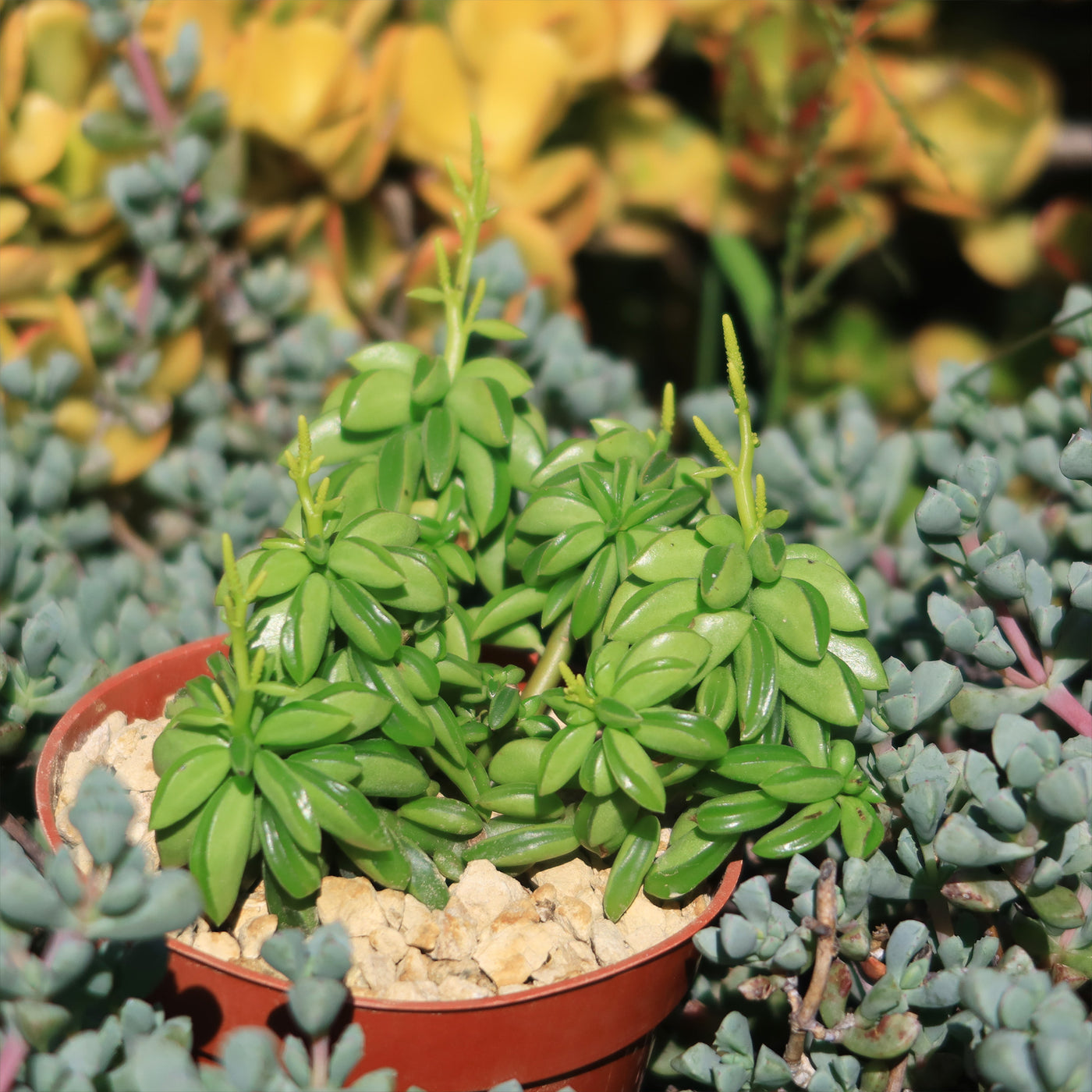
taco leaf succulent Shop 'Peperomia axillaris' Care and Growing GuideIntroducing the Peperomia axillaris, which is a charming and popular houseplant that belongs to the Peperomia genus. This perennial epiphyte native to South America, is also known as the taco leaf plant or radiator plant, that thrives in warm and tropical regions. This delightful plant is loved for its unique foliage and compact size, making it a great addition to any indoor or outdoor space. The Peperomia axillaris with bright green pea pod shaped
Introducing the Peperomia axillaris, which is a charming and popular houseplant that belongs to the Peperomia genus. This perennial epiphyte native to South America, is also known as the taco leaf plant or radiator plant, that thrives in warm and tropical regions. This delightful plant is loved for its unique foliage and compact size, making it a great addition to any indoor or outdoor space.
The Peperomia axillaris with bright green pea pod-shaped foliage, thrives in a shady jungle understory with translucent "leaf windows" that allow sunlight to irradiate the leaf interior, allowing it to survive.
Peperomia axillaris is a compact plant that typically reaches a mature height of around 12 inches tall.
This petite size makes it an excellent choice for small spaces, such as desks, shelves, or terrariums.
Its compact growth habit also makes it suitable for hanging baskets or as a trailing plant.
The Peperomia axillaris flower is usually greenish-white and appears on thin Peperomia flower stalks that emerge from the leaf axils.
These teeny tiny flowers bloom in the spring. However, it's important to note that flowering is relatively rare in indoor settings.
When it comes to Peperomia axillaris propagation, this unique shrub-like succulent can be easily propagated through stem cuttings. To propagate a healthy stem cutting, remove lower leaves, place in a well-draining potting mix, keep soil moist, and provide indirect light. Roots should develop within weeks.
Watering Needs
When it comes to watering, the peperomia axillaris prefers a slightly different approach compared to other houseplants. It thrives when the top inch of soil dries out between waterings. This means you should allow the soil to dry out a bit before giving it a good drink. It's critical to strike the correct balance because overwatering can result in root rot and other problems.
To determine when it's time to water, you can use the "finger test." Simply stick your finger into the soil up to the first knuckle. If the soil feels dry at that depth, it's time to water. If it still feels slightly moist, it's best to wait a bit longer.
Another important aspect of watering the peperomia axillaris is to avoid getting water on the leaves. This plant is prone to rot if water sits on its leaves for too long. To prevent this, it's best to water the soil directly at the base of the plant, rather than overhead watering.
Remember, every plant is unique, and factors like temperature, humidity, and the type of potting mix used can affect watering needs. Observing your peperomia axillaris closely and adjusting your watering routine accordingly will help you provide the right amount of water for optimal growth.
Light Requirements
When growing indoors, the Peperomia axillaris prefers bright, indirect light. It thrives in a spot where it receives bright, filtered sunlight throughout the day. Placing it near a north or east-facing window is usually ideal. Avoid placing it in direct sunlight, as this can scorch the leaves.
If you don't have access to natural bright light indoors, you can also provide artificial light using fluorescent or LED grow lights. Position the lights about 6 to 12 inches above the plant and keep them on for about 12 to 14 hours a day to mimic natural daylight.
When growing outdoors, this Peperomia axillaris plant does well in partial shade to filtered sunlight. It can tolerate some direct morning sunlight, but it's best to protect it from intense afternoon sun, which can cause leaf burn. Consider placing it in a location that receives dappled sunlight or where it is shaded by taller plants or structures during the hottest part of the day. This will help maintain the right balance of light for optimal growth.
Optimal Soil & Fertilizer Needs
The Peperomia axillaris prefers sandy, well-drained soil, as excess moisture can promote root and stem rot. Planet Desert specializes in succulents and has specialized succulent potting soil that includes an organic substrate with mycorrhizae to help with the growth of a healthy root system to help your succulents thrive. As an okay alternative, you can create your own potting mix by combining equal portions of perlite, coarse sand, and good natural potting soil.
For fertilization, the Peperomia axillaris don't require heavy feeding. You can use a balanced, water-soluble NPK fertilizer with a ratio of 5-10-5 or a similar NPK (nitrogen, phosphorus, and potassium) ratio. Dilute the fertilizer to half or quarter strength and apply it once a month during the growing season, which is typically spring and summer.
Remember to always follow the instructions on the fertilizer packaging for proper dilution and application. An accumulation of salt in the soil caused by overfertilization may be detrimental to the plant.
It's better to err on the side of caution and provide a little less fertilizer than too much.
Additionally, it's a good practice to flush the soil occasionally to remove any excess salts. You can do this by thoroughly watering the plant until water drains out from the bottom of the pot. This helps prevent salt buildup and keeps the soil fresh.
Hardiness Zone & More
When growing indoors, the peperomia axillaris thrives in average room temperatures between 65°F and 75°F. It can tolerate slightly cooler temperatures down to 60°F but should be protected from drafts and sudden temperature fluctuations. Avoid placing it near heating vents or air conditioning units as these can create hot or cold spots.
In terms of humidity, the peperomia axillaris prefers moderate to high humidity levels. Aim for a humidity range of 50% to 60% to keep the plant happy. You can increase humidity by placing a tray filled with water near the plant or using a humidifier in the room. Misting the leaves occasionally can also help provide a boost of moisture.
For outdoor cultivation, it is suitable in USDA zones 9-11. It can tolerate temperatures as low as 50°F but is most comfortable in temperatures between 70°F and 85°F. If you live in a dry climate, you can create a microclimate for the plant by grouping it with other plants or placing it in a shaded area where it can benefit from the natural humidity created by nearby foliage.
Final Thoughts
Overall, the Peperomia axillaris is a wonderful plant among Peperomia varieties, that offers a variety of appealing features. With its compact size, unique teardrop-shaped leaves, and glossy green foliage, it adds a touch of beauty and freshness to any space. Whether you choose to grow it indoors or outdoors, this charming plant is relatively easy to care for. It prefers bright, indirect light and well-draining soil. Water it moderately, allowing the top inch of soil to dry out between waterings. Additionally, it appreciates a bit of humidity, so misting the leaves occasionally can be beneficial.
Shipping Notes
- Free Standard Shipping on $100+ Orders to the USA.
- Except Preorder products are shipped in 48 hours.
- Delivery to the USA:
- Standard Shipping : 3-10 business days
- If time is of the essence, please consider selecting expedited delivery for faster service.
Exchange/Return Notes
- We offer a 30-day return/exchange service after receiving.
- Final sale items are not eligible for returns or exchanges.
- To process your return/exchange, please contact us at [email protected]
- Please click here for more details>>> Return & Exchange Policy