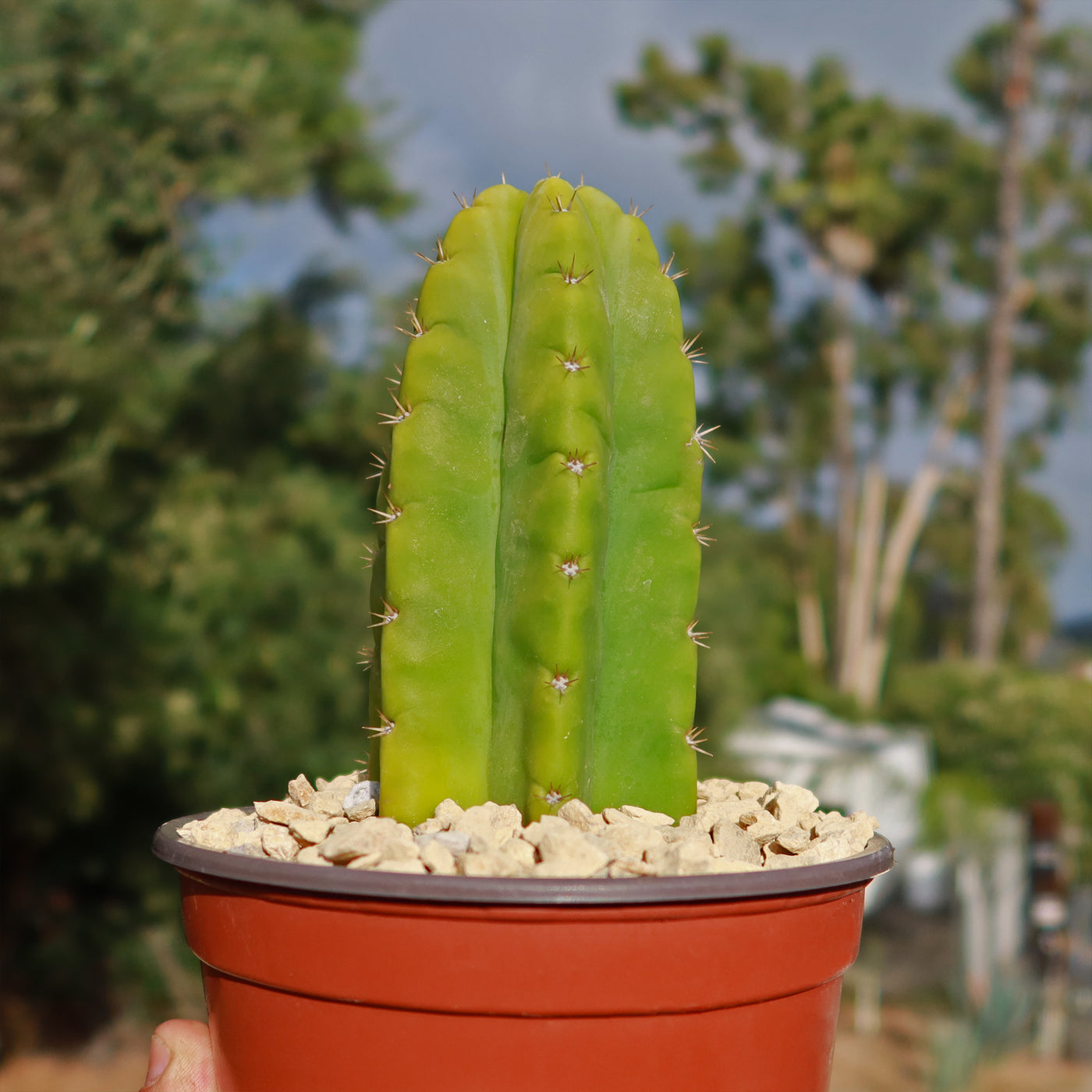
SKU: 4247460984
san pedro cactus eat

san pedro cactus eat Shop 'San Pedro Cactus - Echinopsis pachanoi' Care and Growing Guide

Sale price$22.42 Regular price$24.91
Save 10%

Pay in installments of $6.23 with ShopPay, AfterPay and Klarna

Shipping Estimate
USA
  • USA
  • CAN

Ships within 48 hours · Estimated delivery Aug 4 - Aug 9

Promo Codes Available:

For Your Every Summer RSVP, with Code: SUMMER15

Description

san pedro cactus eat Shop 'San Pedro Cactus - Echinopsis pachanoi' Care and Growing GuideIntroducing the San Pedro cactus, also known as Echinopsis pachanoi (Syn. Trichocereus pachanoi) or Trichocereus Echinopsis pachanoi, which is among the superstars of the cactus world. This fast growing columnar cactus is also known as the Wachuma and Huachuma. Standing tall and proud, this magnificent San Pedro cactus columnar beauty can reach heights of up to 20 feet and spread its branches wide, up to six feet! With stems that range from vibrant

Introducing the San Pedro cactus, also known as Echinopsis pachanoi (Syn. Trichocereus pachanoi) or Trichocereus Echinopsis pachanoi, which is among the superstars of the cactus world. This fast-growing columnar cactus is also known as the Wachuma and Huachuma. 

Standing tall and proud, this magnificent San Pedro cactus columnar beauty can reach heights of up to 20 feet and spread its branches wide, up to six feet! With stems that range from vibrant green to mesmerizing blue-green shades, San Pedro is a true showstopper in any landscape. As your San Pedro cactus plant matures, its colors deepen and intensify, adding even more charm to its already captivating presence.  


When the San Pedro cactus flowers bloom, they emit a sweet fragrance that attracts pollinators like bees and butterflies.

The flowers are usually large and trumpet-shaped and come in various colors, including white, cream, and yellow. The petals have a delicate texture and often have a waxy appearance.

The fragrant flowers usually open during the day and close at night. They have a short blooming period, typically lasting for a day or two.

During the blooming season, which usually occurs in late spring or early summer, multiple flowers can bloom at once, creating a captivating sight.

The San Pedro cactus flowers are not only visually appealing but also have cultural significance. In some indigenous cultures, the flowers are used in traditional ceremonies and rituals. They are believed to have spiritual and healing properties.

The San Pedro cactus also has Pitahaya red San Pedro cactus fruits. These fruits are known for their sweet and refreshing flavor, making them a popular choice for consumption. Additionally, they are rich in antioxidants and vitamins, providing numerous health benefits.  

When and How to Water Your San Pedro Cactus 

San Pedro cactus is a drought-tolerant plant that can survive in dry conditions for long periods of time. However, regular watering is still needed to stay healthy. Generally, the San Pedro needs to be watered once every two weeks. During the summer months, when temperatures are high and the plant is actively growing, it may need to be watered more frequently.  

When watering your Trichocereus Echinopsis pachanoi, be sure to soak the soil thoroughly and allow it to drain completely. To prevent root rot and other issues, avoid overwatering.The leaves may become dry and brittle, and the cactus may stop growing if it is underwater. Over time, the San Pedro cacti may start to lose their shape and become misshapen.  

In addition to these physical symptoms, underwatering can also make the cactus more susceptible to pests and diseases. To keep your San Pedro cactus healthy and thriving, it is important to water it regularly and provide it with the right growing conditions. 

Light Requirements - Where to Place Your San Pedro Cactus

When grown indoors, your San Pedro cactus should be placed in a bright, sunny location where it can receive at least six hours of direct sunlight each day.

For outdoor cultivation, the San Pedro cactus requires a lot of sunlight to grow and thrive.

In its natural habitat, this cactus is exposed to direct sunlight for 4-6 hours each day.

If you live in an area with a lot of cloud cover or limited sunlight, you may need to supplement your cactus's light with artificial grow lights.

So, let's give your San Pedro cactus plant what it deserves—just the right amount of light to bloom into the ultimate showstopper! 

But beware; too much sun can lead to burns, so make sure you gradually increase exposure or bring it indoors during a heatwave. And if your Echinopsis pachanoi isn't getting enough light, it'll start stretching toward its source.

Optimal Soil & Fertilizer Needs 

Use well-drained soil that is designed specifically for your Echinopsis pachanoi cactus. These specialty soil mixes have been precisely developed to imitate well-draining desert soils. Commercial cactus soil is affordable and available online or at Home Depot.

Planet Desert specializes in cacti and has a specialty cactus potting mix that contains 5 natural substrates and organic mycorrhizae to promote the development of a strong root system that helps your San Pedro cactus thrive. 

When it comes to fertilizing your San Pedro cactus plant, it only needs a small amount of fertilizer applied once a year in the spring. Cacti prefer fertilizer with lower doses of NPK, with a maximum ratio of 5-10-5 which is higher in phosphorus than nitrogen. Remember, overfertilization can lead to root rot or even the death of the plant, so be cautious! 

Hardiness Zones & More 

San Pedro cactus is a hardy plant that can grow in a variety of different climates. It is native to the Andes Mountains, where it can be found growing at high altitudes in a range of temperatures. In the United States, San Pedro cactus is typically grown in warm, dry climates such as those found in the southwestern states. 

When growing indoors, the San Pedro cactus prefers a warm and dry environment. It thrives in temperatures ranging from 55°F to 75°F. Aim for a humidity level of around 40% to 50% to create an ideal indoor environment for your San Pedro cactus.

For outdoor cultivation, this cactus is hardy in USDA zones 8–11, which means that it can tolerate temperatures as low as 20 degrees Fahrenheit.

If you live in an area with extreme temperatures, you may need to take extra precautions to ensure that your San Pedro cactus Echinopsis pachanoi, stays healthy. 

In addition to its hardiness zone, it is also important to consider the humidity requirements of the San Pedro cactus. This cactus is adapted to dry, arid environments and does not require a lot of humidity to grow. In fact, high levels of humidity can be detrimental to the health of the plant, as they can promote the growth of mold and fungal diseases. 

When growing San Pedro cactus, it is important to provide good air circulation and avoid overwatering to prevent the buildup of excess moisture around the base of the plant.

Wildlife - San Pedro Cactus Attracts the Following Friendly Pollinators

The San Pedro Cactus flowers attract several friendly pollinators such as bees, butterflies, and hummingbirds. These pollinators are essential for the reproduction of the cactus and play a crucial role in maintaining the ecosystem's biodiversity.

Butterflies
Bees
Hummingbirds
Lady Bugs
Multi Pollinators
Other Birds

According to ASPCA, the San Pedro Cactus is safe for humans but can be mildly toxic to cats and dogs if ingested in a large amount. However, it is safe to touch and handle, making it a popular choice for ornamental cactus gardens. However, it is important to keep San Pedro Cactus out of reach of pets to prevent accidental ingestion.

How to Propagate Your San Pedro Cactus

Propagating the San Pedro cactus can be done through seeds or cuttings, but each method has its pros and cons. While cuttings are a quicker option, this method involves cutting off the top of the plant, which permanently alters its tall, elegant columnar form. For this reason, propagation by cuttings is only recommended if the plant has already broken or been damaged. In such cases, you can take a healthy segment, allow it to be callous for about a week, and plant it in well-draining soil to root. However, this approach is less ideal for those who wish to maintain the plant's natural aesthetics.

Seed propagation is a method for cultivating new cacti plants, and preserving their beauty. Harvested from mature cacti's fruit, seeds are cleaned, dried, and sown onto a well-draining soil mix. Despite the patience required, this method allows for healthy plants without compromising the parent cactus's appearance, despite the need for indirect sunlight or grow light.

Key Takeaways

  1. Unlike many other cacti, the San Pedro grows quickly, often reaching heights of 10–20 feet under ideal conditions, making it a popular choice for ornamental gardens.
  2. This cactus is highly adaptable, thriving in a variety of climates and requiring minimal care. It is drought-tolerant, hardy in USDA zones 8–11, and grows well in nutrient-rich, well-draining soil.
  3. San Pedro Cactus is a drought-tolerant that thrives in arid conditions and requires minimal watering. It is a popular choice for xeriscaping and landscaping in dry climates due to its ability to store water in its fleshy stems.

Final Thoughts

Overall, the San Pedro cactus (Echinopsis pachanoi) is a remarkable plant with unique features. It is characterized by its tall, columnar shape and beautiful white or yellow flowers. The cactus can grow to impressive heights, reaching up to 20 feet in optimal conditions. Its spines are relatively short and are arranged in clusters along the ridges of the cactus. The San Pedro cactus is a low-maintenance plant that thrives in well-draining potting soil and enjoys ample sunlight. It prefers a dry environment and can tolerate drought, so it should be watered sparingly, allowing the soil to dry out between waterings.

Don't miss out on this opportunity to add something truly exceptional to your garden. Buy San Pedro cactus for sale today to enhance your collection! 

Shipping Notes
  • Free Standard Shipping on $100+ Orders to the USA.
  • Except Preorder products are shipped in 48 hours.
  • Delivery to the USA:
  1. Standard Shipping : 3-10 business days
  • If time is of the essence, please consider selecting expedited delivery for faster service.
Exchange/Return Notes
  • We offer a 30-day return/exchange service after receiving.
  • Final sale items are not eligible for returns or exchanges.
  • To process your return/exchange, please contact us at [email protected]
  • Please click here for more details>>> Return & Exchange Policy
SKU: 4247460984

Discover Niche Categories That Outsell san pedro cactus eat

Top-Converting Item to Boost Your Average Order

4.5 ★★★★★
Based on 7 reviews
Sort
Highest Rating
Newest First
Oldest First
Product Reviews
B
Verified Purchase
Blake West
Battle Creek, US
★★★★★ 4
Interesting anthropology and critique, but dense and obtuse writing
Format: Kindle
The good part is that at the end of the day, I learned a lot here, and Polanyi raised a lot of very interesting and under-discussed historical points to create his argument. It felt very similar to David Graeber (or I guess Graeber is similar to Polanyi) in that way. The bad part is that, whereas Graeber writes with exceptional clarity and vividness, Polanyi is obtuse and dense. And I've read other books from this era, I don't think it's the time. I think it's Polanyi's writing. Beyond that, his work serves more as analysis than prescription. It's a bit unclear exactly what he's advocating for. Which maybe is OK, though I prefer when non fiction writers offer solutions rather than just pointing out problems. All in all, if you can settle in with his writing, there are definite gems in there.
WAS THIS REVIEW HELPFUL?YesReportShare
Reviewed in the United States on June 5, 2026
K
Verified Purchase
Kitty Bryant
Phoenix, US
★★★★★ 5
Inspiring analysis of economic history
Format: Paperback
Polanyi presents economic history through an analysis of the "utopian" catastrophy of the self-regulating market economy. Polanyi argues that the free market economy treats the most essential elements of human society - labor, nature, and money - as if they should be exploited like commodities. When liberalism (free marketeerism) rules, then the economy dictates what is possible in human society, and these rules are intolerable because they create conditions under which humans are impoverished and disempowered. In his final chapter he lays out the battle ground between liberalism and its alternatives, which when he was writing (1945) were socialism and fascism. Fascism refuses the dictates of economic liberalism but substitutes in its place the dictates of a state that denies individual freedom. Socialism, alternatively, holds the only promise of true freedom for the individual where economic and political rules are developed and enforced democratically for the protection of society. While this is not an easy read because it demands a background in history, he is a fluent and persuasive writer.
WAS THIS REVIEW HELPFUL?YesReportShare
Reviewed in the United States on February 2, 2023
F
Verified Purchase
Freh
Lake Worth, US
★★★★★ 5
This 1944 classic recounts the fatal flaws of market liberalism that led to the Great Depression and World Wars I & II
Format: Paperback
The Great Transformation: The Political and Economic Origins of Our Time. Karl Polanyi. 1944. In 1944, the opposing monumental classics, The Road to Serfdom by Friedrich Hayek and The Great Transformation by Karl Polanyi, were published. From the right, Hayek argued that market liberalism led to prosperity, political liberty, and prevention of authoritarian governance. From the left, Polanyi argued that the rise of market liberalism during the industrial revolution led to intolerable hardship, inevitable unsustainable countermeasures, and finally collapse into fascism, the Great Depression, and World Wars I and II. Since their publication during World War II, these markedly opposed ideas have now been tested by seventy years of history. For the first thirty years after the war, policies reflecting Polanyi’s ideas led to a mixed economy of government policies and regulated markets in the US, northern Europe, and elsewhere that produced robustly increased prosperity broadly shared at all income levels. For the next forty years, ascendency of Hayek’s ideas led to reduction of the role of government with attendant economic instability, rising inequality (with all economic gains going to the rich in the US), and coercive imposition of market liberalism by authoritarian governments with disastrous results throughout Latin America and the former Soviet Union. Given the adverse consequences of resurgent market liberalism, the rebuttal of its ideas in The Great Transformation is as important today as ever. In The Great Transformation, Polanyi maintains that before the industrial revolution, markets did not play an important role in human society—they were embedded in society rather than the other way around. Goods and services were generally distributed without the motive for profit by the non-market mechanisms of reciprocity according to social relations, centralized storage with redistribution, and production for one’s own use known as householding. When present, the role of markets was peripheral and subordinate to politics, religion, and social relations. The industrial revolution brought about an almost miraculous improvement in the tools of production accompanied by catastrophic dislocations of the lives of the common people, of which poverty was merely the economic aspect. During this time, English thinkers created the theory of market liberalism, which radically reversed the previous subordination of markets to society by removing the role for government so that society was instead subordinated to self-regulating markets (without government interference). This change required that human labor, nature, and money be turned into commodities that could be bought and sold without regard to human and social considerations. Efficient functioning of markets also required callous indifference to the social dislocation, poverty, and damage to nature that resulted and even to hunger as a motivating factor for the working class. This change from regulated to self-regulating markets that organized the whole of society on the principle of gain and profit marked a great transformation of the nature of society by the removal of democratic control of markets. The goals of this transformation were unrealistically utopian and could never be achieved without annihilating the human and natural substance of society. Even during its installation, laissez-faire proved to be a myth. Government action was mandatory to adjust the supply of money and credit, to enforce provisions for labor and land, and to prevent political disruption. Even with this level of government activity, market liberalism still imposed unsustainable hardships on ordinary people from speculative excess, growing inequality, competition from imports, depressions, unemployment, poverty, and reduced entitlement to assistance. By the late 1800s, these impossible pressures of the self-regulating market necessarily led to a countermovement in industrialized nations to protect their societies from the market. This countermovement included protectionism for national markets and competition for colonies to take resources from other societies. In exotic and colonial regions with the absence of protective measures unspeakable suffering resulted. Thus Polanyi characterizes market societies as having two opposing movements, referred to as a “double movement.” These two contradictory movements resulted in simultaneous struggles to expand the scope of the market because of the opportunities for some and to limit the scope of the market because of the adverse consequences for many. These internal contradictions led to disruptive stresses and strains that were unsustainable for market societies. In the domestic economy, class conflict resulted from issues like the choice between inflation for stability of workers incomes and employment and deflation for stability of currency for investors. Market liberals from Spencer to Mises held that popular democracy was a danger to capitalism and that workers should not have the right to vote. In the international economy, relentless shocks imposed by the gold standard forced nations to consolidate around heightened national and imperial boundaries. In international politics, intensified political, military, and economic rivalries finally culminated in World War I. By this time, the class struggle over market liberalism was at an impasse. For a critical decade, economic liberals supported authoritarian intervention in service of their deflationary policy to protect currency exchange and investment. This merely weakened the democratic forces that might otherwise have averted the fascist catastrophe. During the Great Depression, the gold standard finally collapsed, foreign debts were repudiated, capital markets and world trade dwindled away, and the global political and economic system disintegrated. In a second great transformation of society that followed, the replacements of market society by fascism, socialism, and the New Deal were similar only in discarding laissez-faire principles. The conflict between the market and the elementary requirements of an organized social life had ultimately destroyed society. World Wars I and II merely hastened its destruction. In 1944, Polanyi appears to have regarded the utopia of market liberalism as utterly discredited. He expressed the hope that the passing of market economy could become the beginning of an era of unprecedented freedom. He noted that freedom as the absence of power and compulsion as claimed by market liberals is not possible in a complex society. The function of power is to ensure the measure of conformity which is needed for the survival of the group: its ultimate source is opinion. Regulation both extends and restricts freedom; only the balance of freedoms lost and won is significant. The comfortable classes enjoy the freedom provided by leisure in security. They resent the suggestion to spread out income, leisure, and security to extend to others the freedom they enjoy. Obviously, those who lack security cannot enjoy the same freedom as the comfortable classes. Those who want more freedom for all need not fear that either power or planning will undermine their freedom. Regulation and control in a complex society strive to give us all the security we need to achieve freedom not only for the few, but for all.
WAS THIS REVIEW HELPFUL?YesReportShare
Reviewed in the United States on July 22, 2017
U
Verified Purchase
Usman A. Ghani
Dallas, US
★★★★★ 5
Must read for contemporary (and all) times.
Format: Paperback
This is a great book. I wonder why we were not taught this in the freshman year, or at least as a counterpoint to Econ101. It opens up the perspective to seeing culture, economics, politics, and technology in an integrated way with an emphasis on social choesion as a unifying fabric for humanity and, looking for the right rate of economic reform. Much of what we do as "development" can in fact be harmful in the long (also short) run if we are not sensitive to the premises Polanyi is alerting us to. This is not counterpoint or counterfactual thesis per se. I am a strong proponent of the market system and also realize that this system is subsumed and must be complementary to the larger, complex social system where things are interconnected. An effective policy can only result from the collective consideration of these together. Polanyi's writing style is clear, direct, and simple and, unlike deeply nomenclature-intense economics write-ups, this book is rather an easy read. When we prescribe/teach The Industrial Revolution as an essential or secondary reading, The Great Transformation should also be a companion reading.
WAS THIS REVIEW HELPFUL?YesReportShare
Reviewed in the United States on September 6, 2013
T
Verified Purchase
Tanthallas
Grantham, US
★★★★★ 5
Read!
Format: Paperback
Well, I was going to review this wonderful work. However, Robert Moore's review is so spot on that there is really no need to take up more space. Also I need a nap. Anyway, this book is truly fascinating. If you are at all interested in Political Economy, this is perhaps one of the most important books you will ever read. There is no school which has the authors name attached to it, nor is there a political movement dedicated to the realization of his ideas. In most cases this is because the author did not contribute original thought or make an adequate connection of his thought process with reality. In Polanyi's case, this is because the originality of his thought cuts through the specialized form in which science and social studies is presented today and cannot possible be claimed to belong to 'economics' any more than it can of 'sociology', 'anthropology', 'history', 'international relations', etc.. Read this book.
WAS THIS REVIEW HELPFUL?YesReportShare
Reviewed in the United States on July 3, 2009

recommand products