SKU: 43481337276
midwest perennial wildflower seed mix

midwest perennial wildflower seed mix MIDWEST WILDFLOWER MIX

Sale price$25.84 Regular price$28.71
Save 10%

Pay in installments of $7.18 with ShopPay, AfterPay and Klarna

Shipping Estimate
USA
  • USA
  • CAN

Ships within 48 hours · Estimated delivery Sep 18 - Sep 23

Promo Codes Available:

For Your Every Summer RSVP, with Code: SUMMER15

Description

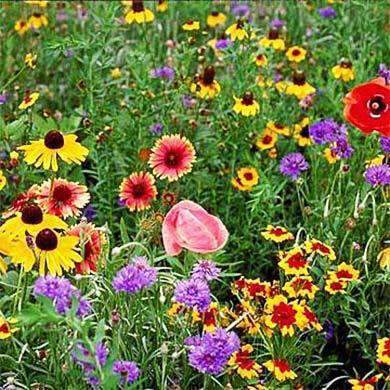
midwest perennial wildflower seed mix MIDWEST WILDFLOWER MIXMidwest Wildflower Seed Mix is formulated for IL, IN, IA, eastern KS, KYml, MI, MN, MO, eastern NE, OH, WI, southern Manitoba, and Ontario. This wildflower seed mix is blended to give the widest possible range of colors and periods of bloom.~~~ Midwest Wildflower Seed Mix is formulated for IL, IN, IA, eastern KS, KY, MI, MN, MO, eastern NE, OH, WI, southern Manitoba, and Ontario. This wildflower seed mix is blended to give the widest possible range of

Midwest Wildflower Seed Mix is formulated for IL, IN, IA, eastern KS, KYml, MI, MN, MO, eastern NE, OH, WI, southern Manitoba, and Ontario. This wildflower seed mix is blended to give the widest possible range of colors and periods of bloom.~~~

Midwest Wildflower Seed Mix is formulated for IL, IN, IA, eastern KS, KY, MI, MN, MO, eastern NE, OH, WI, southern Manitoba, and Ontario. This wildflower seed mix is blended to give the widest possible range of colors and periods of bloom. Very few wildflowers bloom continually throughout the season, therefore we have included spring, summer, and fall blooming species in each mixture. Colors include blue, purple, red, white, yellow and pink. Mix heights vary from 10 in. to 8 ft.

Product Information

  • Application or Use: Ornamental, Lawn, Cover Crop, Erosion Control
  • Germination Time: 14 - 21 days, under optimal conditions
  • Growing Locations: Transition Zone & Cool Season
  • Height: 2 - 4 feet
  • Sunlight Requirements: 8+ hours, full sun for best results
  • Advantages: Perfectly blended for the Midwest U.S.
  • When to Plant: See Instructions Tab.

**This mix is Non-GMO**

This mix contains the following seed. *Mixture is subject to change depending on seed availability*

  • Lanceleaf Coreopsis
  • Purple Coneflower
  • Blue Flax
  • California Poppy
  • Clasping Coneflower
  • Plains Coreopsis
  • Calendula
  • Black Eyed Susan
  • Rocket Larkspur
  • Mixed Colors Corn Poppy

This mix may vary depending on harvest and availability.


*Product packaging may appear different than what is pictured. ~~~

 Wildflower Planting Time Based on Region:

Southeast

  • Fall, Winter: Sowing wildflowers in Fall/Winter is the ideal time in the Southeast, with October 1 – December 31 being the best dates. The weather is ideal for starting seeds, and seedlings can grow and harden off before frost.
  • Spring: A good time to plant wildflowers, especially annual species that flower quickly. Plant after the last frost date when soil temperatures have warmed to around 55°F, typically occurring within a month or so after the final frost of winter; this ensures the seeds can germinate properly without being affected by cold weather.
  • Summer: You can plant wildflower seeds in the summer, but the hot sun can dry out the soil and stress your seedlings. Summer is a good time to plant quick-growing annual wildflowers.


Southwest

  • Fall: A good time to plant spring wildflowers in the desert Southwest. Fall's cooler temperatures and seasonal rains help seeds germinate. In the mountains, you can plant after spring frosts.
  • Winter: In areas that get snow, winter seeding can give seeds an advantage in the spring. 
  • Spring: A popular time to plant wildflowers in most states. You can plant after the last frost and when the soil temperature is at least 55°F. In warmer climates, you can plant at the end of the rainy season.
  • Summer: You can plant wildflower seeds in the summer, but the hot sun can dry out the soil and stress your seedlings. Summer is a good time to plant quick-growing annual wildflowers.


Northeast

  • Fall, Winter: The best time to plant wildflowers in the Northeast is in late fall, after the first frost but before heavy snow. This is known as dormant seeding and can take place from November to December. Cold temperatures and damp soil during the winter help wildflower seeds germinate. 
  • Spring: Plant in early spring, after the ground has thawed and soil temperatures reach around 55-65°F. This is a popular time to plant wildflowers because it's typically rainier, which helps water seedlings. 
  • Summer: You can plant wildflower seeds in the summer, but the hot sun can dry out the soil and stress your seedlings. Summer is a good time to plant quick-growing annual wildflowers.


Midwest

  • Fall, Winter: Plant in late fall (November–December) after the first frost. The seeds will overwinter and germinate in the spring. Fall planting is a good option for cooler climates and can give the seeds an early start in the spring. 
  • Spring: Plant in early spring (April–May) after the last frost when the soil temperature is consistently above 55°F. Spring is a popular time to plant because the soil is usually moist from rain, and you can see the wildflowers grow right away.
  • Summer: You can plant wildflower seeds in the summer, but the hot sun can dry out the soil and stress your seedlings. Summer is a good time to plant quick-growing annual wildflowers.


Western

  • Fall, Winter: Plant in late fall (November–December) after the first frost. The seeds will overwinter and germinate in the spring. Fall planting is a good option for cooler climates and can give the seeds an early start in the spring. 
  • Spring: Plant in early spring (April–May) after the last frost when the soil temperature is consistently above 55°F. Spring is a popular time to plant because the soil is usually moist from rain, and you can see the wildflowers grow right away.
  • Summer: You can plant wildflower seeds in the summer, but the hot sun can dry out the soil and stress your seedlings. Summer is a good time to plant quick-growing annual wildflowers.


Pacific Northwest

  • Fall, Winter: Plant in late fall (November–December) after the first frost. The seeds will overwinter and germinate in the spring. Fall planting is a good option for cooler climates and can give the seeds an early start in the spring. 
  • Spring: Plant in early spring (April–May) after the last frost when the soil temperature is consistently above 55°F. Spring is a popular time to plant because the soil is usually moist from rain, and you can see the wildflowers grow right away.
  • Summer: In cooler zones with higher elevation, you can plant wildflowers in late spring to early summer, after the risk of frost has passed. You can plant wildflower seeds in the summer, but the hot sun can dry out the soil and stress your seedlings. Summer is a good time to plant quick-growing annual wildflowers.


More on wildflower mixtures and plantings:

Our wildflower mixtures are formulated on the basis of climatic conditions (rainfall, temperature range, humidity) and elevation. Most species in our mixtures adapt readily to different soil types, provided climate and elevation are suitable. Annuals have been included to establish cover quickly and to give color the first year; some may produce new plants the following year (the biennials may also reseed). Perennial plants live for more than two years, and most flower from the second year onward.

These mixtures are blended to give the widest possible range of colors and periods of bloom. Very few wildflowers bloom continually throughout the season; therefore, we have included Spring, Summer and Fall-blooming species in each mixture. Colors include blue, purple, red, white, yellow and pink. Mix heights vary from 10 in. to 8 ft.

In general, our mixtures are formulated to contain approximately equal numbers of seeds of each species. This varies somewhat because of costs, availability and/or climatic conditions. Mixtures may vary occasionally from the indicated listing, based on availability of individual species.

Seed Quality:

Most wildflower seeds and mixtures have a purity of 95 to 99% and total viable seed percentages of between 70 to 95%. The total viable seed percent is the germination percent, plus the hard seed or dormant seed percent. Hard seeds have impermeable seed coats and cannot imbibe water during seed testing. Dormant seeds are viable seeds that have specific physical or physiological conditions that prevent the seed from germinating at the time of seed testing. The PLS (Pure Live Seed) is obtained by multiplying the percent purity by the percent total viable seed and then dividing by 100.

Uses of Grasses:

Wildflowers can be sown alone or with grasses. For most areas of the United States, we recommend using one of our native grass mixtures. For specific requirements, individual species may be preferred. Hard Fescue or Sheep Fescue work well in most areas of the United States. However, in the southeastern states of Alabama, Florida, Georgia, Louisiana, Mississippi and South Carolina, we recommend warm-season grasses; Hard and Sheep Fescue will not thrive in these climates.

Warm-season grasses to consider include Gramas, Buffalo Grass and Bluestems. These grasses grow very slowly and are planted for aesthetic and ecological reasons rather than prompt stabilization of soil.

Aggressive grasses should be avoided because they will crowd out most wildflowers; these grasses include Kentucky Bluegrass, Smooth Brome, Crested Wheatgrass, Bermuda Grass, and Annual Rye. If wildflowers must be used with these grasses, the flowers should be planted in high-density patches as accents to the grassed areas. Or the flowers may be sown with the grasses if the planting rates of the grasses are reduced significantly.~~~

Plant at a rate of 40 to 44 lbs. per acre (1 lb. per 1,000 sq. ft.).

Sowing wildflower seeds without care and planning usually produces unsatisfactory results. Here are some important factors to consider: Does the site support plants now? If you have a site where nothing, including weeds, is growing, that site is unlikely to support wildflowers. Will there be adequate moisture during germination and establishment? Can you supply supplemental water, if necessary? What weed seeds are likely to be present in the soil? Will weeds spread to your site from adjacent areas? Assessment of these factors will enable you to make a realistic choice of a site where wildflowers will prosper and to decide what action will be necessary to ensure your success.

When to Plant:

The best time to plant in your area depends on the climate and rainfall patterns as well as the species you are planting. In cool climates, plant annuals, perennials or mixtures of annuals and perennials in Spring, early Summer or late Fall. Fall plantings should be late enough so that seeds do not germinate until Spring. Perennials can also be sown in early fall provided that there are at least 10 to 12 weeks of growing time before the plants go dormant for the Winter. Late Fall plantings are advantageous when supplemental irrigation cannot be provided and adequate rainfall is anticipated in the spring.

In mild climates, plant during the cooler months of the year, fall through spring, for best results. Fall plantings done prior to periods of rainfall will insure an early display of flowers the following Spring.

Site Preparation:

Proper site preparation is important for prompt germination of seed and healthy growth of seedlings. Best results will be obtained by planting on cleared ground. Remove existing vegetation to avoid competition from other plants. This may be done by pulling, tilling under, spraying with a general herbicide, or by a combination of these methods, depending upon the size of the area, type and density of vegetation and other factors. Loosen soil by scraping, tilling or scarifying. Tilling should be utilized only when soil is very compacted and further weed control measures can be taken. Specific recommendations are given under the heading, Weed Control.

Seed Application:

Method of application depends on the size of the area and the terrain. On small areas, broadcast seeds evenly either by hand or by use of a drop or cyclone spreader. It is helpful to mix a carrier such as clean, dry sand with the seed; sand adds volume and aids in even distribution. We recommend using a ratio of 1 or 2 parts sand to 1 part seed. Rake in lightly, covering seeds to a maximum depth of 2 to 3 times their thickness. Or drag the area lightly with a piece of chain link fence to mix the seed into the surface of the soil. For seeding large areas, i.e., over one acre, specially-designed drills are most effective. Drill to a maximum of 1/4 in. and firm soil with a cultipacker. This maximizes seed-to-soil contact. Hydroseeders are also effective, especially for steep slopes, rocky terrain and other areas where conditions make it impractical for other methods of seed application.

Hydroseeding is the application of a slurry of seed and water to soil. The slurry may also contain mulch (hydromulching), a tackifier and fertilizer. Mulches are made of wood fiber, paper or excelsior, and their purpose is to hold seeds in place, help retain moisture and provide protection from erosion (mulches are usually dyed green as a visual aid in even distribution). Rates of application for most mulches are between 1,500 and 2,300 pounds per acre. In general, hydroseeding or hydromulching is most successful in moist climates or in irrigated areas.

Most authorities agree that germination is better when seed is applied first with 5 to 10% of the mulching fiber; the balance of the mulch being applied separately as a second step. This approach ensures optimal seed-to-soil contact. Otherwise, many seeds are wasted because they become suspended in the fiber.

It is important that proper procedures are followed to minimize the amount of time that seed is circulated through pumps or paddles prior to application. Overcirculation may damage the seed.

Moisture:

All seeds, including wildflowers, need ample moisture to germinate and to develop into healthy seedlings. Best results will be obtained by soaking the planted areas thoroughly and maintaining consistent moisture for 4 to 6 weeks, then gradually reduce waterings. In non-irrigated situations, plant in the Spring or before periods of anticipated rainfall. After seedlings are established, watering may be reduced depending on the climate and rainfall. In arid climates or during drought conditions, up to 1/2 in. of supplemental water per week may be required to maintain an optimal display. If weeds are present, remember that they benefit from moisture as much as the wildflowers and may dominate over-watered areas.

Fertilization:

Many wildflowers benefit from some fertilization if the soil does not have adequate nutrients. Some wildflowers do fine in poor soils, while others require a more fertile environment. We recommend that a soil test be performed when soil quality is unknown. If the soil needs improvement, use a low nitrogen fertilizer with a 5-10-10 ratio or add organic matter such as weed-free straw or grass clippings, well-rotted compost, peat moss, or leaf mold. In addition to adding nutrients, organic materials enhance soil structure and encourage beneficial microorganisms. Avoid over-fertilizing which may promote weed growth and lush foliage rather than flowers.

Weed Control:

Weed control is the biggest problem facing plant establishment, and one which has no easy solution. Weed seeds are present in many situations and lie dormant, but viable, for long periods. A weedy area converted to wildflowers will have a large reservoir of weed seeds in the soil, ready to germinate when conditions are favorable. In most cases, it is advisable to consider weed control in two phases—as part of site preparation prior to planting, and as an important component of the post-germination maintenance program.

Before planting, remove existing weeds by pulling, tilling under, applying a glyphosate herbicide such as RoundUp, or by a combination of these methods. For additional weed control after site preparation, a soil fumigant may be used, or the area may be irrigated to encourage weed growth and then sprayed with a general herbicide.

In very weedy areas, the following method is suggested: Till soil or spray vegetation with RoundUp. When using an herbicide, allow vegetation to die, then rake out the dead debris. If perennial weeds such as bindweed are present, using an herbicide is more effective than tilling. Irrigate to encourage germination of weed seeds near the surface; most seeds will germinate within two weeks if consistent moisture is available. Do not till the soil again because this will bring even more weed seeds up to the surface. Spray any new growth with RoundUp. After raking out dead vegetation, allow soil to recover for 3 to 4 weeks before planting seed. From our experience, a recovery period of this duration is advisable because extensive use of glyphosate herbicides may cause a delay in germination and in the vigorous growth of seedlings.

Once the seeds have germinated, further weed control is usually necessary. If practical, pull all weeds as soon as they can be identified.

Other successful techniques are spot-spraying with a general herbicide or selectively cutting weeds with a string trimmer. Be sure to remove weeds before they reseed.

Many unwanted annual and some perennial grasses can be controlled with the herbicides Grass-B-Gon, Ornamec, and Fusilade. These post-emergents do not affect broad-leaved plants so they can be applied over existing flowers. They are most effective when sprayed on new growth and young plants. Take care to avoid treating areas with desirable native grasses or fescues.

What to Expect:

Wildflowers can provide an excellent, low cost alternative in large-scale, high maintenance situations, as well as a satisfying change from traditional urban landscaping. However, during their initial establishment period, wildflowers require as much maintenance as traditional plantings.

A smooth, weed and vegetation-free planting bed is important for good seed-to-soil contact and prompt germination. Avoid seeding more than the recommended rate since overseeding can result in crowded conditions the first year, and poor establishment of perennials. Cover seeds lightly to protect them from drying out during germination, and to prevent them from being eaten by birds. Consistent moisture is important for 4 to 6 weeks after planting.

A wildflower planting requires the same weed control measures as traditional landscaping. Effective measures include site preparation prior to planting and a post-germination maintenance program.

Most of our wildflower mixes contain annual, biennial and perennial species. The annuals, which may not be native to your area, are included to assure maximum color during the first season and to act as a nurse crop for the slower-growing perennials. Annuals germinate quickly when conditions are favorable, providing a quick ground cover and competition against weeds. Natural reseeding of annuals ranges from significant to minimal, depending on the species, climate, soil texture and other factors. Most perennial and biennial species begin to bloom the second season, but not as profusely as annuals. Therefore, wildflower plantings look noticeably different after the first year.

Sometimes it is desirable or even necessary to sow seed in second and subsequent years. Reseeding may be necessary if establishment of wildflowers is spotty or poor. It is possible to reseed bare areas with the original mixture. Loosen soil of bare areas and provide adequate weed control and supplemental irrigation as needed. Where natural reseeding of annuals is minimal, sowing annuals each spring can produce a magnificent annual and perennial display throughout the growing season.

If desired, wildflowers may be mowed in the Fall following seed set. Mow to a height of 4 to 6 in., and leave the residue on the ground because it is a reservoir of viable seeds.

Shipping Notes
  • Free Standard Shipping on $100+ Orders to the USA.
  • Except Preorder products are shipped in 48 hours.
  • Delivery to the USA:
  1. Standard Shipping : 3-10 business days
  • If time is of the essence, please consider selecting expedited delivery for faster service.
Exchange/Return Notes
  • We offer a 30-day return/exchange service after receiving.
  • Final sale items are not eligible for returns or exchanges.
  • To process your return/exchange, please contact us at [email protected]
  • Please click here for more details>>> Return & Exchange Policy
SKU: 43481337276

Discover Niche Categories That Outsell midwest perennial wildflower seed mix

Top-Converting Item to Boost Your Average Order

4.4 ★★★★★
Based on 24 reviews
Sort
Highest Rating
Newest First
Oldest First
Product Reviews
N
Verified Purchase
Nmmomof4
Chelsea, US
★★★★★ 4
4 stars
Format: Kindle
Overall Opinion: This was a fun read. I liked it. The banter and friendship these two had was great, and I loved how Allie knocked Dean off his feet. My main criticisms are that we really didn't need to experience the almost threesome at the beginning. I mean -- we get it...he's a Manho! BUT I didn't need to know descriptive details! The other is that I needed a jump ahead epilogue -- like I always do ;). They had some great things lined up for their futures, but I really wanted to see how it all went for them when they were older. Brief Summary of the Storyline: This is Allie and Dean's story. Allie has (yet again) broken up with her boyfriend, and turns to her best friend Hannah (who we met in the first book The Deal). Hannah is out of town with her boyfriend, Garrett, and he offers to let Allie stay at his house to avoid the ex that keeps on texting and saying that he is coming over. That is when she runs in to Dean because he lives with Garrett. They spend the rest of the evening together with Dean being deemed her relationship coach with the job of keeping her from texting/calling her ex and taking him back. They end up getting drunk and sleeping together. Dean is ruined after that night for other women and is hooked on Allie. They start a friendship-with-benefits of sorts that of course turns into more. There are some laugh out loud moments, some sad moments, some sexy moments, and some sweet moments...and the couple get their HFN ending. POV: This alternated between Allie and Dean's POV. Overall Pace of Story: Good. It flowed well, and I didn't skim. The major drama did happen later in the book than usual, so it was cutting it close for things to get back to good IMO, but I felt like it was sufficiently addressed and handled. Instalove:No. They had some good development before they were into love status. H rating: 4 stars. Dean. I was surprised I'd like him so much, but I really did. We got to understand why he was the way he was regarding his sexual history, so that made him a lot more likable. I loved his interactions with the kids, and he was an overall good guy regardless of his past sexual acticities. h rating: 4.5 stars. Allie. I really liked her. She was super sweet, a wildcat in the bedroom, and she was really ambitious. Sadness level: Low/moderate. I had one time that I teared up, but I didn't need tissues and it didn't turn into an ugly cry. Heat level: Moderate. They had great chemistry and had some steamy times (some were just mentions of the experiences so it didn't become just about the sex). Descriptive sex: Yes. Safe sex: Yes. Condoms were used until they were in a committed relationship, and then testing and birth control discussions happened. OW/OM drama: Surprisingly no for OW, but yes for OM. The h's ex showed up and texted trying to win her back. Sex scene with OW or OM: Yes Closure: This didn't have enough closure for me at all. I really wanted a jump ahead epilogue to see their lives when they were older. I would call it a HFN ending (which I think is the norm with this series). How I got it: I paid the $4.99 on Amazon.
WAS THIS REVIEW HELPFUL?YesReportShare
Reviewed in the United States on January 12, 2016
D
Verified Purchase
descartesrocks
Battle Creek, US
★★★★★ 3
Too Many Problems Deterred My Enjoyment
Format: Kindle
Elle Kennedy's was one of my favorite romances from 2015. I loved the progression of the relationship between the two leads and felt that the book handled the issue of past sexual assault really well compared to other books in the genre. Then came . The romance in this story was not as compelling to me, but I appreciated how the author really put thought and effort into portraying the hero's struggle with familial obligations versus the pursuit of his dreams. Both these previous books in the Off-Campus series depict college relationships and the struggles of emerging adulthood realistically--something that I feel is oftentimes missing in New Adult novels. It is rare for me to find books in the genre relatable (ironic, given that I was a college student less than a year ago and should theoretically be the readership these books are marketed to), which makes my enjoyment of Elle Kennedy's books especially precious. I was counting down the days to its release and finished it in a matter of hours. And it was...kind of meh. The published synopsis really does not properly describe the story, so let me first quickly summarize the key points anyone needs to know: Allie is an aspiring actress who is trying to figure out whether she should aim for a television or a stage career. She recently broke up with her on-again-off-again ex-boyfriend and in her heartbreak, she cannot even imagine getting into a relationship with anyone else. She has a one-night stand with Dean, a rich college hockey star, who is only after casual sex. They decide to have a fling, but must keep it a secret because they have many mutual friends. There were so many things that bothered me about this book, I actually had to make a list. 1. The gratuitous scene involving Dean in a threesome with two girls is unappealing and unnecessary. I am not marking this as a spoiler because it is a scene found at the very beginning of the book (2% into the Kindle version) and really does not have a point. I do not understand why this scene was not cut out or at least shortened in the editing process. What does it serve to do? To show that Dean is sexually promiscuous? It is pretty clear to the reader that Dean is sexually promiscuous. He mentions it all the time. Other characters mention it all the time. Girls hit on him and he flirts with them all the time. There is no need for us to read in explicit detail his fun fun times. Perhaps the scene is there to titillate the reader? It just made me feel very uncomfortable because I was wondering the entire time whether these two women were actually into each other or whether they were merely performing for his sexual satisfaction. We later find out that, yes, these two are in fact interested in having sex with each other as well, but that is later on. During the scene I remained unsure, which makes it kind of icky. 2. The old "she ruined my penis for other women" trope. This is a convention I hate in romances. Nothing pulls me out of the story faster than this because it is not realistic, nor do I find it particularly romantic that the hero cannot get sexually aroused by anyone but the heroine. People, no matter how in love (and Dean was most definitely not in love when this occurs in the story), can still be aroused by others. It is basic biology. No one has the voodoo genitalia that can prevent their partners from feeling sexual attraction to another person. It is whether your partner will act on this attraction that will make or break a relationship. This is especially important when your partner is someone like Dean, who makes it a point to never get into serious relationships. Whether he can actually commit to Allie is a serious question, but the author decides to wave this aside by giving Allie a magical vagina. I mean, if she's the only one his penis will respond to, is it any wonder they get together? She's his last hope! 3. Neither of the characters are particularly well fleshed out. It is as if Kennedy just listed a bunch of traits she wanted the characters to have in order to keep them interesting and then just decides to write in whatever plot points she wanted without bothering to explore the characters. For example, Dean is a rich playboy who does whatever he wants. His motto is to live by his own rules and desires and outside of a few incidents here and there, his life is pretty swell. The only potential problem in his life is that he plans to attend law school after college even though he does not have an interest in it. Dean honestly bores me to tears because for most of the book nothing is done with his character. He lives in his happy Dean world and if anything disturbs his world (Allie's magical, yet elusive vagina) he rushes to solve it with a gusto, and then settles back to his happy Dean life. I mean, does this guy even have any hobbies outside of hockey and sex? I guess the previous heroes in the series were caught up in hockey and sex too, but at least they were intensely serious about hockey. Dean isn't as interested in the sport, which is fine, but that means his main interest in life that we know of is sex. Which is kind of sad (this is the last time I will mention magical genitalia, I swear!), since Allie's basically ruined his willy from sex with other people. Seriously, though, Kennedy tries to give him more interesting things to do by having him volunteer to coach a boys' hockey team but this is really something his new assistant coach forces on him and even when he finds interest in doing it, it does not even begin to fill the blank canvas that is his life. The author then, again, tries to challenge and deepen Dean's character with the story's final conflict, but it just does not work for me (see below). Allie's character is more interesting, yet more frustrating because of all the wasted potential. She's an aspiring actress who is struggling with her future career plans and worrying about how to take care of her father, who has multiple-sclerosis. Making it as an actress depends a great deal on luck and opportunity and very talented people can spend years and years without getting anywhere. It is a very risky career choice, especially when you have a dependent who requires close care-taking and high medical costs. But does the story focus--nay even attempt to address these potential problems? Noooo. Instead, Allie spends most of her time debating whether she should look at casting offers in L.A. or trying to make it on Broadway. And banging Dean, of course. Her father vaguely factors into her worries about her career, but not to an extent that one would expect him to. I mean, I guess it is great and all for her to have so many opportunities as an actress, but, really, what is the point of making this career choice a part of her character if she does not even have to struggle with one of the most basic aspects of it? 4. Interesting relationship conflicts are brought up, but never resolved satisfactorily. An ongoing worry for Allie is her inability to separate sex from relationships. She cannot keep it casual and since adolescence she has never gone long being single. She even worries later in the story whether she has a co-dependency problem. It does not appear to me, personally, that she has a co-dependency problem, since she makes most of her life and career decisions with her own interests in mind and actually breaks up with her ex-boyfriend when he wanted to dictate her future for her. Nevertheless, I think it is perfectly valid and even healthy for someone who has always had long-term relationships to want to stay single for a while. Unfortunately, Allie does not get to experience this at all. She goes from breaking up with her ex to being sex buddies with Dean (since they decide to be exclusive and she admits she has a hard time separating sex from commitment, I do not count this as being single) to being Dean's girlfriend. She does experience a minor break from Dean toward the end of the book, but that is only for about a month before she is back with him again for their happily ever after. And since this is a romance, happily ever after means permanence. While an HEA is good and all, I am left feeling a bit sad that Allie never really got to experience adult life not being romantically attached to another person. The bigger conflict of the series is whether Dean, with his pampered life, will actually be able to support Allie when the times get rough. Allie's dad does not think so, which is a huge foreshadowing that Dean's ability to be there for her will be no doubt be tested by a Tragic Incident. I will not elaborate on the Tragic Incident, because spoilers, but suffice to say that it is definitely devastating for the people affected. However, the strange thing is...the incident does not affect Allie. Instead, it is an incident that is pertinent to Dean. And he falls apart and has a very hard time coping. And Allie makes a decision that, while I think is reasonable, ruins the entire climax of the story for me (see spoiler for details). **********SPOILERS!!!!!!!!!!!**************** After a few weeks of not being able to pull him from his grief, Allie just leaves Dean. I have two major problems with this: firstly, how on earth does this prove that Allie's dad is right in saying Dean would not be able to support Allie in trying times? If anything, this shows that Allie might not be the best pillar of support for Dean when tragedies happen. Secondly, I honestly understand why she leaves--she has her own life and she cannot and should not be jeopardizing her future to be his caretaker. That said, it really, really baffles me that she does not make any attempt to get him any help. She reasons that he is not in a bad enough state for professional help, but couldn't she at least contact his family? She knows his sister. She should have at least given her a call to make sure someone would be there for him rather than just leaving him to his own devices. Sure, he is still highly functional when she leaves him, but his behavior is also getting more and more self-destructive. This is kind of a terrible thing to do to anyone, never mind your boyfriend. Again, perhaps she really should have tried out that single life for a while. **********END OF SPOILERS**************** 5. The ending is way too pat. Everybody gets what they want and potential conflict (Dean's changes in future aspirations, having a long distance relationship after college, etc.) is completely resolved by the rosy wand of plot. I would rejoice at this if I actually felt that the story ever attempted to explore any of its major conflicts. Alas, it does not, so the fairy tale conclusion does not feel hard-earned and just makes me feel grumpy. Whew. That was really a long rant. Now briefly on to the good things: The saving grace of this book and why, to a certain extent, I understand why other people would give it a high score is that the characters actually fare much better when they are together than when they are apart. Not only do Dean and Allie develop a happy, loving relationship, but their relationship is also one based on mutual respect, communication, and trust. Fancy that! A romance novel where characters actually talk to each other and trust that their partners will keep their promises of commitment! I especially like how their feelings of love grow not from outside forces (like jealousy over potential suitors) but from extended time spent with one another. Their conversations are quirky and fun to read and you can tell how much they genuinely like and care about each other. If this is enough to satisfy you as a reader and you are not bothered by the things I mentioned above, you would like this book just fine. I think I just have a stronger bone to chew on regarding this one because the characters are so close in age to me, so I have a harder time waving away problems with my "But it's just fantasy!" hand. What is especially disappointing to me is that this was written by an author whose work I had really enjoyed in the past. Again, I am not a huge fan of New Adult romances. College is a time of great personal development and life transitions. I wish NA books will take this setting into more serious consideration. You can have romance and still have characters dealing with complex situations that are relevant to this stage in their lives. But c'est la vie, I suppose. Oh, by the way, since I guess I should mention it: the sex scenes are pretty steamy. Unfortunately, the squick I felt from the aforementioned threesome scene poisoned any hot lovin' the rest of the book had to offer, so I just skimmed. But there was a lot of skimming, so the book is packed for those who wish to know! Rating: B-
WAS THIS REVIEW HELPFUL?YesReportShare
Reviewed in the United States on January 12, 2016
K
Verified Purchase
Kindle Customer
San Leandro, US
★★★★★ 5
Daddy Dean & Allie Cat ❤️‍🔥
Format: Kindle
Reading before the series begins. Dean and Allie became my favorite couple of the series. I this book so much. It’s a physical fast burn with an emotional slow burn and I was entertained throughout. The banter, the denial, the jealousy, the building of trust, the emotional aspect later and the heartache. Dean and Allie are so unapologetically themselves and 2 strong personalities clashing is fun. Dean needs someone like Allie to humble him. Each others perfect match.
WAS THIS REVIEW HELPFUL?YesReportShare
Reviewed in the United States on May 9, 2026
L
Verified Purchase
Lucy MB
Cuba, US
★★★★★ 5
Best in the series!
Format: Kindle
Let me start off by saying that The Deal - which was book #1 in the Off Campus Series was one of my top 5 picks of 2015. I could go on about the ways I loved that book, but I won't do that now---read my review here for a refresher. I wanted to add that because The Score is now officially my favorite book in the series. This story completely SLAYED me! I was not ready for the level of TRILLNESS* Ms. Kennedy was going to be bringing to this story. what I want This is Dean's book. You'll remember him from The Deal and The Mistake. He was the privileged. exhibitionist roommate of Garett, Logan and Tucker. In this story we learn that there is so much more to Dean that meets the eye. Allie is also a throwback character from The Deal- she is Hannah's best friend and roommate. We catch up with Allie as she is ending things with her on again/off again boyfriend. She goes to the house shared by Garrett and Co in search of a safe haven while she gets over her break up. She ends up getting much more than she bargained for. Dean is drop dead gorgeous and knows it. He is used to women being a very easy field to navigate. Allie is tricky because she is Hannah's friend and because she really doesn't seem to want more than one night with Dean. looking at him Dean pursues Allie pretty relentlessly and when she finally gives him an opening, he is determined to bust it wide open and get his girl. Watching the relationship develop between Dean and Allie is so sweet. There are moments that even weeks after reading the book make my heart beat a little faster to think about. We see the unexpectedly tender moments between these two where you get the feeling that they even surprise themselves. They fall in love with each other and once that train leaves the station there is not turning back whatsoeevr. You really get the sense that in Allie, Dean has found a women he never expected to...someone who is as honestly sexual as he is. like me As with the other stories in this series, the sex is off the charts hot and the chemistry between the characters is palpable and exciting. Ms. Kennedy has a refreshingly modern and feminist approach to sex and relationships and it makes the characters VERY likable. Just like his roommates, Garrett and Logan, Dean has met the woman who makes him want to forsake all others. These young men find more than just love in these stories. They also find the courage of their convictions and make major decisions that will affect the rest of the their lives. There is a big family dynamic in the story that introduces to Allie's father and Dean's family as well. We get to interact with some recurring background characters from the previous books. One of them, plays a HUGE role that let me feeling like I'd been punched in the gut. I was crying and asking "why" for so long after I finished this book. Dean was such a pleasant surprise. He was not perfect by any means, and there are moments where you will feel disappointed in him. But he works hard, loves hard and has the desire to be a better person every day. I LOVED him. I loved Allie for hm and I absolutely LOVED this book. I would give it 5 more stars if I could. *Trillness= Realness in Houston, TX slang!
WAS THIS REVIEW HELPFUL?YesReportShare
Reviewed in the United States on January 11, 2016
J
Verified Purchase
jenn_azhere
Massapequa, US
★★★★★ 4
book 3
Format: Kindle
This was a great read!! I love Dean and Allies story, the backstories that are implemented, and how much the characters grew. I did feel a little sorry for Sean even though I shouldn’t. The growth, spice, and story was a good read. Highly recommend! Now onto Tuckers story!!
WAS THIS REVIEW HELPFUL?YesReportShare
Reviewed in the United States on May 27, 2026

recommand products