Pay in installments of $5.16 with
 ,
,
 and
and

Shipping Estimate
USA
- USA
- CAN
- USA
- CAN
Ships within 48 hours · Estimated delivery Oct 12 - Oct 17
 Promo Codes Available:
For Your Every Summer RSVP, with Code: SUMMER15
Description
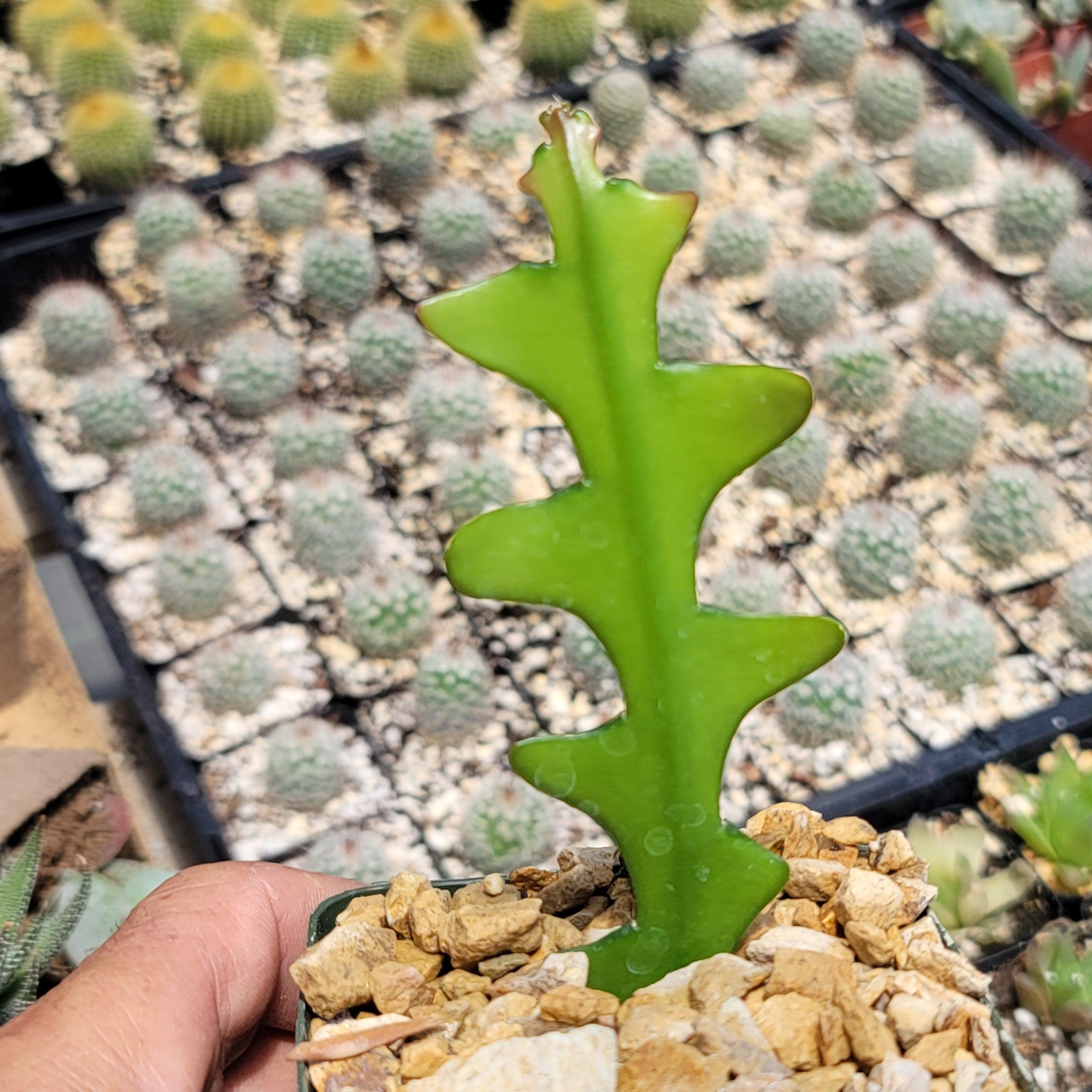
zigzag succulent Fishbone Cactus ‘Selenicereus anthonyanus’Introducing the fishbone cactus, known as Selenicereus anthonyanus, which is a fast growing epiphytic cactus with climbing stems. This cactus is named "fishbone" due to the distinct shape of its foliage, which resembles the skeleton of a fish. The leaves are flat, narrow, and deeply serrated, giving them a fishbone like appearance. Apart from its common name, fishbone cactus, Selenicereus anthonyanus is also known by other names such as Ric Rac
Introducing the fishbone cactus, known as Selenicereus anthonyanus, which is a fast-growing epiphytic cactus with climbing stems. This cactus is named "fishbone" due to the distinct shape of its foliage, which resembles the skeleton of a fish. The leaves are flat, narrow, and deeply serrated, giving them a fishbone-like appearance.
Apart from its common name, fishbone cactus, Selenicereus anthonyanus is also known by other names such as Ric Rac cactus, Zig zag cactus, and Ric rac orchid cactus. These names reflect the cactus's unique growth pattern and the zigzag shape of its stems. It can grow up to 4 feet long and 6 inches wide. However, it can be trimmed or pruned to maintain a desired size or shape.
Native to the rainforests of Mexico, specifically the Yucatan Peninsula, the standout feature of the fishbone cactus is its foliage.
The unusual leaf-like branches are dark green and have prominent, wavy ridges that run along the edges.
The serrated edges give the cactus a visually interesting texture.
The leaf-like stems of the fishbone cactus are long, flat, and succulent, giving it a trailing or hanging growth habit.
This makes it a perfect choice for hanging baskets or cascading down from shelves.
The fishbone cactus flowers are typically white or pale yellow and have a lovely, sweet scent. These blooms are large, reaching up to 6 inches in diameter. These ric rac cactus flowers bloom in late spring and early summer, lasting one day and opening in late afternoon and evening, making them ideal for nocturnal plant observers.
Propagation of the fishbone cactus is relatively easy. It can be propagated through stem cuttings. Simply take a healthy stem cutting, allow it to dry for a few days, and then place it in a well-draining potting mix. Keep the potting soil slightly moist until roots develop, and then you can treat it like a mature plant.
Watering Needs
As compared to other cacti, the fishbone cactus prefers a slightly more humid environment. However, it's crucial not to overwater it. Aim to water the cactus when the top inch of soil feels dry to the touch. This usually translates to watering every 1-2 weeks, but it may vary depending on factors like temperature and humidity.
When watering, it's best to use the "soak and dry" method. Give your fishbone cactus a thorough watering until water drains out via the drainage holes. Allow any excess water to drain away completely, ensuring that the roots are not sitting in standing water. Avoid letting the cactus sit in a water-filled saucer, as this can lead to root rot.
In the spring and summer, during the growing season, the fishbone cactus may require more frequent watering. However, in the dormant period, which is usually fall and winter, it's important to reduce watering and allow the soil to dry out more between waterings.
Light Requirements
When growing indoors, the fishbone cactus prefers bright, indirect light. It thrives in a spot where it receives bright, filtered light throughout the day. Placing it near a window that receives indirect sunlight or using a sheer curtain to diffuse the light can be beneficial. Avoid placing your Selenicereus anthonyanus in direct sunlight, as this can lead to sunburn and damage the plant.
When planted outdoors, it prefers full sun to partial shade for at least 4-6 hours daily. A location that receives morning sun or dappled shade throughout the day is ideal. Too much direct sunlight can cause the leaves to burn or the plant to become stressed. Keep in mind that the trees indifferent regions may have varying levels of sunlight, so it's important to consider your specific climate.
It's important to monitor your fishbone cactus when you move it from indoors to outdoors or vice versa. Sudden changes in light intensity can shock the plant.
If you're transitioning it from indoors to outdoors, gradually introduce it to more direct sunlight over a period of time to allow it to acclimate. Similarly, when moving it indoors from outdoors, gradually reduce the amount of direct sunlight it receives
Optimal Soil & Fertilizer Needs
The fishbone cactus favors very airy, sandy soil that drains well. Planting them in ordinary soil will result in compacted roots, stunted growth, and most likely root rot. Instead, make or buy a well-draining potting mix, or ideally use our specialized cactus potting mix that contains 5 natural substrates and mycorrhizae to promote the development of a strong root system that helps your fishbone cactus to thrive.
The fishbone cactus has relatively low fertilizer needs. During the growing season in the early spring, you can use a balanced (5-10-5), water-soluble NPK fertilizer specifically formulated for cacti. Dilute the fertilizer to half the recommended strength and apply it once a year to encourage blooming.
Be careful not to overfertilize, as this can lead to nutrient burn and damage this ric rac cactus. During the dormant season, which is usually fall and winter, it's best to avoid fertilizing altogether.
Hardiness Zone & More
Native to the tropical rainforests of Central and South America, the fishbone cacti prefer warm indoor temperatures between 60°F to 80°F. They can tolerate slightly cooler temperatures during the winter months, but it's important to avoid exposing them to temperatures below 50°F, as this can cause damage to the plant.
The fishbone cactus enjoys humid environments with moderate to high humidity levels. Ideally, aim for humidity levels around 40% to 60%. You can increase humidity by placing a tray filled with water near the plant or using a humidifier.
For outdoor cultivation, this fishbone cactus thrives in USDA zones 10-12. The fishbone cactus appreciates moderate to high humidity levels, even when grown outdoors. If you live in a region with naturally high humidity, the plant will likely do well. However, if you live in a drier climate, you can supplement the humidity by misting the plant or placing a tray of water nearby.
Final Thoughts
Overall, the fishbone cactus (Ric rac cactus) is a visually appealing plant with a trailing growth habit, making it suitable for both beginners and experienced plant enthusiasts. When it comes to fishbone cactus care, it thrives in bright, indirect light, well-draining soil, and adequate humidity. Place it near a window with filtered sunlight, and water it between waterings to prevent root rot. The fishbone cactus prefers average to warm temperatures around 65-80°F but can tolerate slightly cooler temperatures and should be protected from frost. Fertilize the fishbone cactus plant with a balanced (5-10-5), diluted fertilizer during the growing season for healthy growth. We think you will love this plant – order your very own fishbone cactus for sale today and start enjoying its beauty in no time!
Shipping Notes
- Free Standard Shipping on $100+ Orders to the USA.
- Except Preorder products are shipped in 48 hours.
- Delivery to the USA:
- Standard Shipping : 3-10 business days
- If time is of the essence, please consider selecting expedited delivery for faster service.
Exchange/Return Notes
- We offer a 30-day return/exchange service after receiving.
- Final sale items are not eligible for returns or exchanges.
- To process your return/exchange, please contact us at [email protected]
- Please click here for more details>>> Return & Exchange Policy