Pay in installments of $5.76 with
 ,
,
 and
and

Shipping Estimate
USA
- USA
- CAN
- USA
- CAN
Ships within 48 hours · Estimated delivery Sep 27 - Oct 2
 Promo Codes Available:
For Your Every Summer RSVP, with Code: SUMMER15
Description
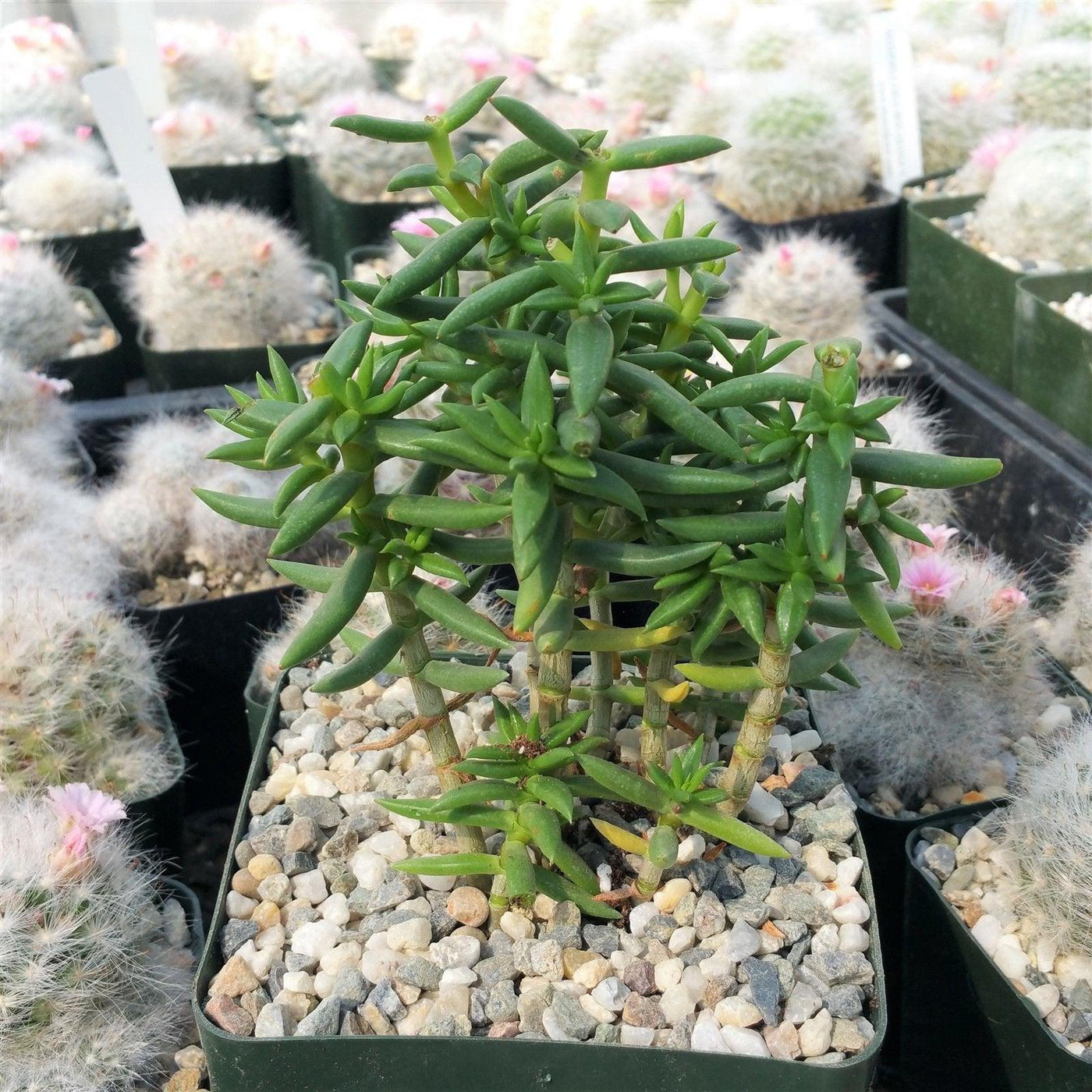
succulent crassula tetragona Crassula Tetragona' Miniature Pine Tree - Shop OnlineGet ready to have the incredible Miniature Pine Tree, also known as Crassula tetragona, a vibrant member of the Crassula genus! Just take a look at its needle like leaves and shrubby appearance that earned it the nickname Miniature Pine Tree succulent. But hold up despite its nickname, this isn't actually a pine tree at all; it's a succulent! Hailing all the way from southern Africa, this unique looking dwarf pine tree is truly one of a kind. Bonsai
Get ready to have the incredible Miniature Pine Tree, also known as Crassula tetragona, a vibrant member of the Crassula genus! Just take a look at its needle-like leaves and shrubby appearance that earned it the nickname Miniature Pine Tree succulent. But hold up - despite its nickname, this isn't actually a pine tree at all; it's a succulent!
Hailing all the way from southern Africa, this unique-looking dwarf pine tree is truly one-of-a-kind. Bonsai enthusiasts cannot resist its charm and it's not hard to see why! The leaves of the Crassula tetragona plant are tiny plants sparsely branched with a woody, brown bark that adds an extra touch of pine tree-like illusion.
At full maturity, this fabulous Crassula tetragona can reach just over 3 feet tall. When blooming it produces creamy white star-shaped flowers that burst forth from dense clusters at the tips of their branches during late spring or early summer, creating an enchanting floral display that will leave you breathless.
The Crassula teteragona stems grow into mini pine tree succulents and shed their lower leaves but fear not - pruning and transplanting are no problem for this adaptable wonder! Crassula tetragona propagation can be done from leaf cuttings and stem cuttings, but leaf propagation is the easiest and most effective way to propagate this mini pine tree.
Watering Needs
These dwarf pine tree succulents are low-maintenance succulent plants that require minimal watering. It is best to water this Crassula tetragona when the soil is completely dry. Overwatering can cause the roots to rot, so it is essential to allow the soil to dry out before watering again. During the summer months, succulents may require more frequent watering, but it is important to avoid waterlogging the soil.
If you live in a humid climate, you should water your succulent less frequently, even once every 10 days. To determine when to water your mini pine tree, pay close attention to how it looks; shriveling is a sign that you must water this beauty. Just make sure not to overdo it on baby plants and let them sit in standing water or else they could develop root rot.
Light Requirements
The Crassula tetragona requires bright, indirect sunlight to thrive. If you are growing plants indoors, it's best to place this miniature pine tree near a south-facing window that receives plenty of natural light but avoids exposing it to direct sunlight for extended periods. Direct sunlight can scorch the leaves and cause damage to the baby succulent.
If you notice that your Crassula is not getting enough bright light, it may start to stretch and become leggy. This is a sign that it is not receiving enough light and is reaching out in search of more light to thrive. To prevent this, move it to a brighter location or supplement its light with a grow light.
It's critical to remember that during a heatwave or periods of extreme heat, your dwarf succulent trees could still sustain sun damage or get sunburned. You can protect these succulents in this situation by moving them indoors or to a shaded area.
Optimal Soil & Fertilizer Needs
The dwarf pine tree plant prefers well-drained potting soil that is rich in nutrients. A good potting mix for soil Crassula dwarf pine tree should include a combination of coarse sand, perlite, and peat moss. Planet Desert specializes in succulents and has specialized succulent potting soil that includes an organic substrate with mycorrhizae to help with the growth of a healthy root system to help your succulents thrive. It is important to avoid using heavy, clay soils that retain too much moisture.
When it comes to fertilizing the Crassula tetragona, it is best to use a balanced, natural fertilizer during the growing season. Fertilize the miniature pine trees once a year during the spring with an equal mix of NPK (5-10-5). Avoid over-fertilizing it, as this can cause salt buildup in the soil and lead to root damage. Overall, using well-draining soil and providing the well propagate Crassula tetragona plant with regular, balanced fertilization can help ensure its health and growth.
Hardiness Zones & More
The Crassula tetragona mini pine tree is hardy in USDA zones 10-11. This means that it can only tolerate temperatures down to around 30-35°F, and is best suited for warm, tropical climates. If you live in a colder climate, it is best to keep these dwarf pine trees indoors during the winter months or provide them with some protection from the cold.
In terms of humidity, the dwarf pine tree succulent prefers a dry environment with low to moderate humidity levels. It can tolerate some humidity, but it is important to avoid overwatering the plant or exposing it to excessively humid conditions. If you live in a humid environment, it is best to provide good airflow around this miniature pine tree to prevent moisture buildup on the leaves and stems.
Don't miss out on this opportunity to add something truly exceptional to your garden. Order your very own Crassula tetragona - miniature pine trees today!
Shipping Notes
- Free Standard Shipping on $100+ Orders to the USA.
- Except Preorder products are shipped in 48 hours.
- Delivery to the USA:
- Standard Shipping : 3-10 business days
- If time is of the essence, please consider selecting expedited delivery for faster service.
Exchange/Return Notes
- We offer a 30-day return/exchange service after receiving.
- Final sale items are not eligible for returns or exchanges.
- To process your return/exchange, please contact us at [email protected]
- Please click here for more details>>> Return & Exchange Policy