Pay in installments of $7.17 with
 ,
,
 and
and

Shipping Estimate
USA
- USA
- CAN
- USA
- CAN
Ships within 48 hours · Estimated delivery Oct 13 - Oct 18
 Promo Codes Available:
For Your Every Summer RSVP, with Code: SUMMER15
Description
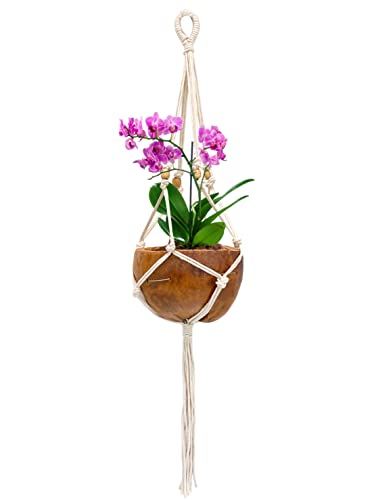
coconut husk hanging planter PANWA Large “Castaway Coconut Hanging Planter” with Natural Husk and Traditional Thailand Tiki Style Cotton Woven Macrame Kit, Nautical Beach Decor,Brand: PANWA Color: Coconut Hanging Planter Kit Features: TOTALLY UNIQUE: These hand harvested coconut shells are the remnants of the prized seed that contains the coveted coconut milk and meaty copra, which are prime ingredients in traditional Thai cuisine. Nothing goes to waste as these pieces are packaged up and sold to orchid and plant nurseries throughout the Kingdom. SKILLFULLY CRAFTED: Handcrafted in the Northeastern villages of Thailand, these
Brand: PANWA
Color: Coconut Hanging Planter Kit
Features:
- TOTALLY UNIQUE: These hand harvested coconut shells are the remnants of the prized seed that contains the coveted coconut milk and meaty copra, which are prime ingredients in traditional Thai cuisine. Nothing goes to waste as these pieces are packaged up and sold to orchid and plant nurseries throughout the Kingdom.
- SKILLFULLY CRAFTED: Handcrafted in the Northeastern villages of Thailand, these half shell planters are made from the outer coconut; the pithy part that protects the nut. The split outer shell is then actually wired together with steel wire, which allows the coconut shell to expand with the roots of the plant and allow for excess drainage. The wired shell, which contained the authentic pithy coconut husk, retains ample moisture for your plants to thrive.
- TRADITIONALLY THAI: This simple but highly effective coconut shell with coir accoutrement is viewed as essential to many Thai professional and home aficionado orchid growers for successful propagation and arguably produces some of the most beautiful orchids on the planet.
- HAND CUT: Individually handcrafted and designed to endure daily use, these multi-functional plant hangers adorn the garden walls and entrance ways to many Thai Temple gardens and are functionally designed to allow water to drain even if drenched in a monsoon rain. The metal wire use to bid the staves will fade to an oxidized patina over time that will also match the color of the dark outer skin.
- BASKET SIZE & KIT CONTENTS: Natural coconut radius at widest point is approximately 7 inches and the length of the heavy duty hand woven jute / cotton hangar approximately 24 inches. The kit also includes 250 grams of premium raw pithy coconut shell mulch to use for pot your favorite flora. As with all handmade and natural products, the size of the shell will vary slightly, as they are not mass produced and each coconut shell is unique.
Binding: Kitchen
Details: Introducing The PANWA Large “Castaway Coconut Hanging Planter” … This unique hanging planter is more than just a hanging flowerpot; we affectionally call it … “THE WILSON” and it’s impressive! The hollowed-out shell is a remnant of removing the inner nut, but retains all the natural coir and seedling nutrients that are resident in the outer shell and offers several outstanding benefits for growing thriving houseplants and draping floras. Here are some of the remarkable advantages of using these natural coconut planters: 1. Retention of moisture: The natural coconut shell has excellent moisture retention properties. The coir fibers in the shell act as a natural sponge, absorbing and retaining water. This helps maintain a consistent level of moisture around the plant's roots, reducing the risk of both under- and over-watering. 2. Adequate drainage: The coconut shell is be prepared with drainage slots that are a resultant of opening the coconut to remove the nut and then literally secured tight with baling wire the allow excess water to drain out. This prevents water logging and ensures that the roots receive the right amount of water and oxygen, promoting healthy root development. 3. Nutrient-rich environment: The coir fibers present in the coconut shell contain natural nutrients. As the shell gradually decomposes over time, these nutrients are released into the soil, providing a steady supply of essential elements for plant growth. This helps in maintaining a nutrient-rich environment around the roots, supporting robust and healthy plant growth. 4. Versatile for a variety of plants: Coconut planters are suitable for a wide range of plants, from orchids to hanging flora. The ample space provided by the coconut shell allows for healthy root development, which is essential for strong and thriving plants. The porous nature of the coir fibers also enables good aeration of the root system, facilitating nutrient absorption. 5. Aesthetically pleasing: The natural beauty of the coconut shell adds an appealing and exotic touch to the overall look of the plants. The unique texture and color of the shell can enhance the visual appeal of any garden or indoor space, creating a visually stunning display. All gardeners know, you can’t simply put a plant in the pot and expect it to thrive. Specialized planting soil, topsoil, and ground cover can all be used in combination to help your plant grow. We are Thai people that work with both orchid and plant nurseries here in Thailand. Hands down, our most common potting medium is the coconut. Our secret is using the split pieces to create a custom foundation to line our pots, with “staves”, when repotting plants and orchids with genuine natural husk coir with the raw outer skin intact. That basic step absolutely fundamental for our world renown flora! While there are many products marketed as “authentic” coconut coir in the form of chips, strips, bricks, or shredded mulch using some / several species of coconuts, our coconut pack specifically keeps the outer shell attached to the staves, as it provides the coir with stability and takes much longer to decompose. Additionally, for flowers like roses, orchids, and anthurium grown in Thailand, coconut husks with the seed shell are the primary and most common potting medium. It is also used for the cultivation of several vegetables as well.
EAN: 8859581804123
Package Dimensions: 8.5 x 8.5 x 7.0 inches
Shipping Notes
- Free Standard Shipping on $100+ Orders to the USA.
- Except Preorder products are shipped in 48 hours.
- Delivery to the USA:
- Standard Shipping : 3-10 business days
- If time is of the essence, please consider selecting expedited delivery for faster service.
Exchange/Return Notes
- We offer a 30-day return/exchange service after receiving.
- Final sale items are not eligible for returns or exchanges.
- To process your return/exchange, please contact us at [email protected]
- Please click here for more details>>> Return & Exchange Policy