Pay in installments of $5.36 with
 ,
,
 and
and

Shipping Estimate
USA
- USA
- CAN
- USA
- CAN
Ships within 48 hours · Estimated delivery Sep 22 - Sep 27
 Promo Codes Available:
For Your Every Summer RSVP, with Code: SUMMER15
Description
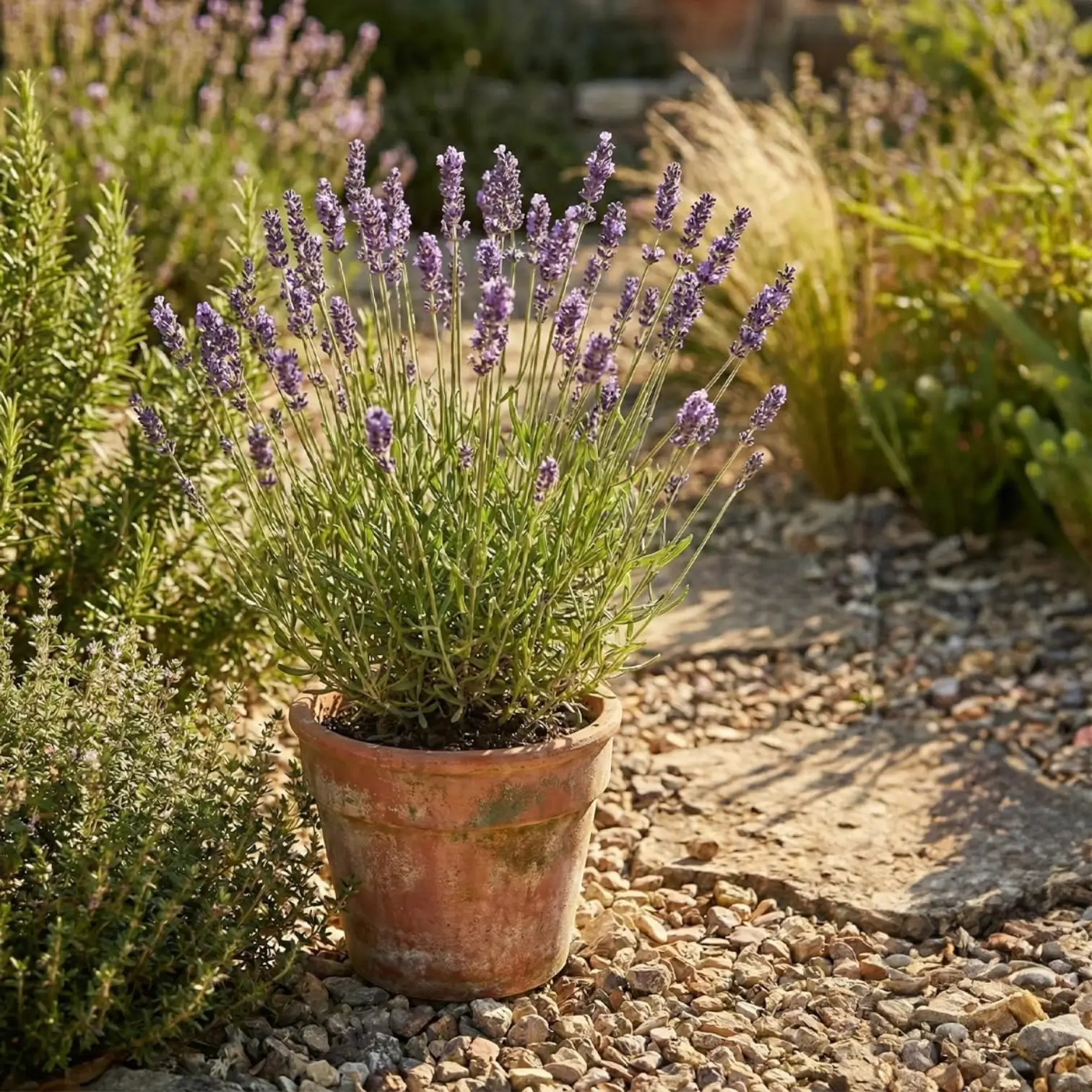
lavender small plant Lavandula angustifolia 'Dwarf Blue' | Outdoor PlantCompact edging with Lavandula angustifolia 'Dwarf Blue' Lavandula angustifolia 'Dwarf Blue' keeps a low, tidy silhouette with aromatic grey green foliage and blue purple flower spikes in summer. Its scale is the point: it reads as a deliberate mound rather than a loose shrub, so it fits neatly along paths, in gravel planting, and in smaller containers. Once established, the plant holds its shape well and keeps its foliage looking present beyond the
Compact edging with Lavandula angustifolia 'Dwarf Blue'
Lavandula angustifolia 'Dwarf Blue' keeps a low, tidy silhouette with aromatic grey-green foliage and blue-purple flower spikes in summer. Its scale is the point: it reads as a deliberate mound rather than a loose shrub, so it fits neatly along paths, in gravel planting, and in smaller containers.
Once established, the plant holds its shape well and keeps its foliage looking present beyond the main bloom. Repeating several plants creates a clean line of texture and scent that stays legible even when neighbouring perennials are changing through the season.
How Dwarf Blue builds a low mound
Growth starts as new shoots push from the woody framework in spring, filling out into a dense cushion. Flower stems rise above the foliage as the plant moves into summer, then the mound settles back into evergreen structure once bloom finishes.
A mature plant typically sits around 30-40 cm tall, with a spread around 45 cm, depending on pruning and how lean the root zone stays. In pots, the outline often stays even tighter, which suits edging and repeated container displays.
Sun, drainage and root comfort
Bright, open exposure supports short growth, firm stems, and strong leaf scent. Soil texture matters more than richness: a mineral, free-draining root zone keeps the base of the plant in better condition over time.
Chalk, loam, and sandy soils can all work when water passes through easily. If the planting area tends to stay damp, raise the planting level slightly and build in grit so the crown dries between wet spells.
Container watering for Dwarf Blue
In containers, water management is mostly about avoiding a permanently damp centre. Use a pot with clear drainage and a gritty, peat-free outdoor mix that re-wets evenly but does not stay heavy for days.
Check moisture by feeling the pot weight and testing the top third of the mix. Water deeply when that zone has dried, then let excess drain freely. Short, frequent splashes encourage shallow roots and a softer mound.
Keeping the mound trimmed
Light trimming keeps this small lavender looking crisp and prevents the centre from opening. Aim for regular shaping in green growth, so the plant always has leafy points ready to respond.
- After flowering: remove spent flower stems and lightly round the top growth.
- Spring tidy: clip off winter-browned tips once new shoots are clearly visible.
- Where to cut: stay within leafy growth rather than cutting back into bare old wood.
- Feeding: keep nutrition modest; steady, firm growth is the goal.
Dwarf Blue issue signals
Most problems show up at the crown first. A soft, dull centre or sudden wilting is usually linked to a root zone that stays wet for too long, especially in pots after repeated rain.
Sparse flowering is more often linked to shade or overly rich soil than to lack of water. If the mound becomes leggy, it usually responds to earlier, lighter shaping and a more open, brighter position.
Where this small lavender works best
Lavandula angustifolia 'Dwarf Blue' suits planting where a compact, repeatable lavender shape matters: path edges, raised beds, gravel borders, and container groups. It reads well alongside stone, paving, and fine-textured grasses, and it keeps its place in a scheme even after flowering has finished.
Shipping Notes
- Free Standard Shipping on $100+ Orders to the USA.
- Except Preorder products are shipped in 48 hours.
- Delivery to the USA:
- Standard Shipping : 3-10 business days
- If time is of the essence, please consider selecting expedited delivery for faster service.
Exchange/Return Notes
- We offer a 30-day return/exchange service after receiving.
- Final sale items are not eligible for returns or exchanges.
- To process your return/exchange, please contact us at [email protected]
- Please click here for more details>>> Return & Exchange Policy