Pay in installments of $6.29 with
 ,
,
 and
and

Shipping Estimate
USA
- USA
- CAN
- USA
- CAN
Ships within 48 hours · Estimated delivery Oct 4 - Oct 9
 Promo Codes Available:
For Your Every Summer RSVP, with Code: SUMMER15
Description
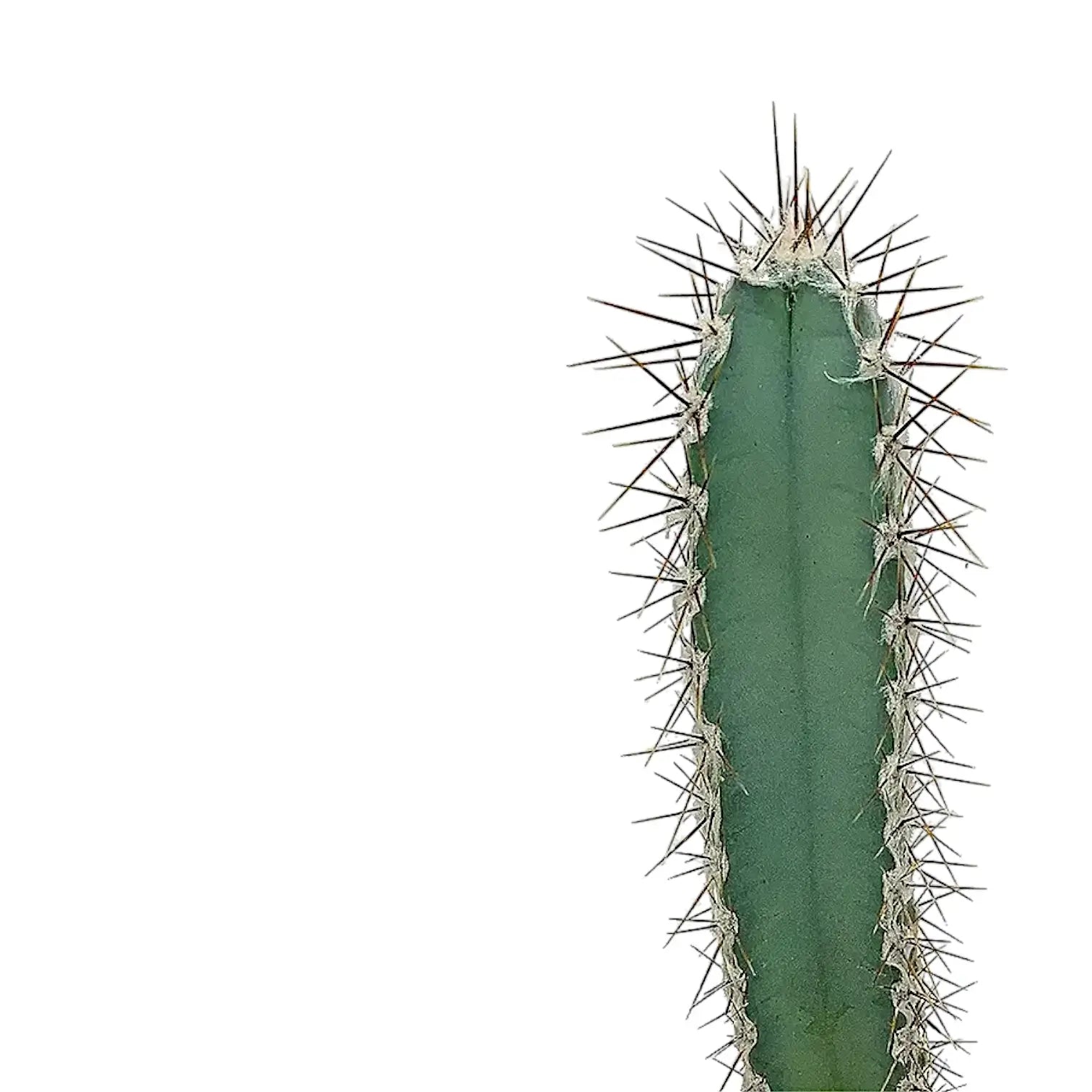
silly succulent columnar cactus Cereus forbesii – Blue-Green Branching Columnar CactusCereus forbesii Hardy Blue Green Columnar Cactus Cereus forbesii is a robust, columnar cactus species native to arid zones in Argentina and Bolivia. Known for its striking blue green stems and sculptural form, this species is valued by collectors and cactus lovers for both its natural form and its spectacular cultivars. Depending on the variant, Cereus forbesii can grow upright with a slightly wavy profile or develop twisting, contorted growth
Cereus forbesii – Hardy Blue-Green Columnar Cactus
Cereus forbesii is a robust, columnar cactus species native to arid zones in Argentina and Bolivia. Known for its striking blue-green stems and sculptural form, this species is valued by collectors and cactus lovers for both its natural form and its spectacular cultivars. Depending on the variant, Cereus forbesii can grow upright with a slightly wavy profile or develop twisting, contorted growth patterns in monstrose forms. Its adaptability, fast growth, and drought tolerance make it a strong candidate for both indoor and outdoor collections in warmer climates.
Highlights and Visual Features
- Stem Color: Young stems are glaucous blue, maturing to grey-green or olive
- Ribbing: 4 – 7 well-defined ribs with distinct areoles and evenly spaced spines
- Size: Can grow up to 2 – 7 meters in ideal outdoor conditions; shorter in containers
- Flowers: Large funnel-shaped blooms, white to reddish, opening at night
- Fruits: Red fruits with bluish bloom, containing lilac pulp and black seeds
Native Environment and Botanical Background
In its natural habitat, Cereus forbesii thrives in semi-arid lowlands and high desert regions, where it grows upright or in candelabra-like clumps. The species tolerates extreme temperature shifts and intense sun, with roots anchored in mineral-rich, sandy soils. It is found at elevations from 500 to 1,500 meters and endures prolonged dry periods thanks to its thick water-storing tissues.
- Origin: Northern Argentina and Bolivia
- Growth Rate: Moderate to fast in warm, dry conditions with ample sun
- Growth Type: Upright, multi-stemmed cactus with occasional basal branching
- Toxicity: Non-toxic but spiny; handle with care
How to Grow Cereus forbesii
- Light: Needs full sun or very bright indoor light to maintain shape and color
- Watering: Let the soil dry completely between waterings; avoid wet feet
- Humidity: Prefers dry air; does not tolerate excess moisture or condensation
- Temperature: Thrives in 20 – 30 °C; protect from frost or cold drafts under 10 °C
- Soil: Use cactus-specific mix or a well-draining blend of sand, gravel, and mineral substrate
- Repotting: Every 2 – 3 years; increase pot size gradually for stability
- Fertilizing: Apply a cactus fertilizer monthly in the growing season (spring to summer)
- Propagation: Can be grown from seeds or stem cuttings left to callus before planting
- Pruning: Rarely needed except to remove damaged segments or control size
Troubleshooting and Tips
- Wrinkling: A sign of underwatering; give a deep soak and monitor recovery
- Root Rot: Caused by soggy soil; always use fast-draining substrate
- Pests: May attract mealybugs or spider mites in poor air circulation; remove pests with soft brush or insecticidal soap
Extra Growing Info
This species includes several well-known cultivars. The spiral-growing form, often called 'Spiralis', develops a striking helical shape and grows rapidly under good light. The 'Ming Thing' monstrose variant has dense, compact, knobby growth with sculptural blue-green mounds. Both cultivars arise from natural mutations of Cereus forbesii and are sought after for their unique architecture and minimal care needs.
Name Origins and Classification
The genus name “Cereus” means “torch” in Latin, a reference to its tall columnar form. The species name “forbesii” likely honors a historical plant collector or explorer with the surname Forbes. The species was officially described in 1846 by C.F. Förster in his early cactus taxonomy work.
Shipping Notes
- Free Standard Shipping on $100+ Orders to the USA.
- Except Preorder products are shipped in 48 hours.
- Delivery to the USA:
- Standard Shipping : 3-10 business days
- If time is of the essence, please consider selecting expedited delivery for faster service.
Exchange/Return Notes
- We offer a 30-day return/exchange service after receiving.
- Final sale items are not eligible for returns or exchanges.
- To process your return/exchange, please contact us at [email protected]
- Please click here for more details>>> Return & Exchange Policy