Pay in installments of $5.44 with
 ,
,
 and
and

Shipping Estimate
USA
- USA
- CAN
- USA
- CAN
Ships within 48 hours · Estimated delivery Sep 23 - Sep 28
 Promo Codes Available:
For Your Every Summer RSVP, with Code: SUMMER15
Description
sandalwood bonsai tree Green Paradise® Red Sandalwood Plant – GreenParadiseLiveGreen Paradise Offers Healthy Red Sandalwood Plants (Lal Chandan) About Red Sandalwood Plant Red Sandalwood, also known as Pterocarpus santalinus, is a tree species native to the southern parts of India, particularly the regions of Andhra Pradesh, Tamil Nadu, and Karnataka. It is a member of the Fabaceae family and is renowned for its highly valued red colored heartwood. Here are some key details about the Red Sandalwood plant: Appearance: Red
Green Paradise Offers Healthy Red Sandalwood Plants (Lal Chandan)
About Red Sandalwood Plant
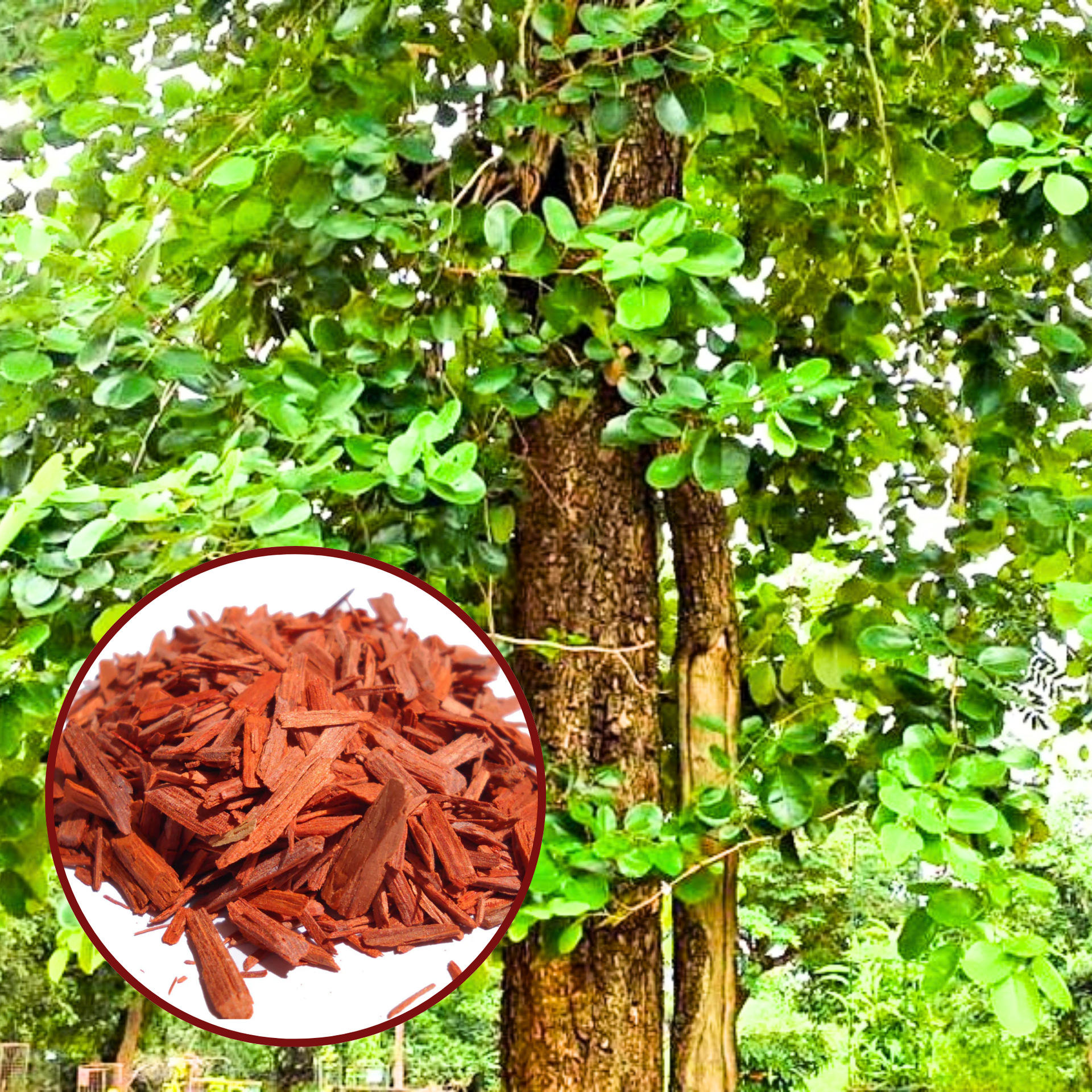
Red Sandalwood, also known as Pterocarpus santalinus, is a tree species native to the southern parts of India, particularly the regions of Andhra Pradesh, Tamil Nadu, and Karnataka. It is a member of the Fabaceae family and is renowned for its highly valued red-colored heartwood.
Here are some key details about the Red Sandalwood plant:
Appearance:
Red Sandalwood is a medium-sized deciduous tree that can grow up to a height of 30 meters (98 feet). It has a straight trunk with a dense crown of pinnate leaves that are typically green in color.
Heartwood:
The heartwood of the Red Sandalwood tree is the most prized part of the plant. It exhibits a deep reddish-brown to purplish hue, which is highly sought after for its beauty and medicinal properties. The Heartwood retains its color for a long time and is often used in the production of high-quality furniture, sculptures, and other ornamental items.
Uses:
Red Sandalwood has been traditionally used in Ayurvedic medicine for its various therapeutic properties. It is believed to have antimicrobial, anti-inflammatory, and antipyretic (fever-reducing) qualities. In Ayurveda, it is commonly used for treating skin disorders, digestive issues, and respiratory problems, and as a general tonic. The heartwood is also valued in the production of dyes, cosmetics, and perfumes.
Conservation Status:
Red Sandalwood is listed as a vulnerable species due to the overexploitation of its valuable heartwood. Illegal harvesting and smuggling of Red Sandalwood have been major concerns, leading to strict regulations and trade restrictions to protect the species.
Cultivation:
Red Sandalwood can be cultivated through seeds or vegetative propagation methods such as grafting and air layering. It requires a tropical or subtropical climate with temperatures ranging between 20-30°C (68-86°F). The tree prefers well-drained soil and can tolerate a range of soil types, including sandy and loamy soils.
Legal Restrictions:
It's important to note that the international trade of Red Sandalwood is regulated, and its export is often restricted or prohibited in many countries due to concerns over illegal harvesting and smuggling. If you're considering cultivating Red Sandalwood, it's crucial to understand and comply with the legal requirements and regulations in your respective region.
Red Sandalwood holds cultural, economic, and ecological significance in its native regions and continues to be an important plant species despite its conservation challenges.
How To Grow Red Sandalwood Plant
Growing a red sandalwood plant (Pterocarpus santalinus) requires specific care and attention. Red sandalwood is a slow-growing tree that is valued for its fragrant redwood, which is often used in traditional medicine, woodworking, and as an ingredient in cosmetics.
Here are some guidelines to help you grow red sandalwood:
Climate and Soil Requirements:
Red sandalwood thrives in tropical and subtropical climates. It prefers temperatures between 20 to 30°C (68 to 86°F) and cannot tolerate frost.
The factory prefers well-draining soils that are slightly acidic to neutral. Sandy loam soils with good organic content are ideal.
Propagation:
Red sandalwood can be propagated through seeds or by using stem cuttings.
Seeds should be collected from ripe fruits and soaked in water for a day to soften the hard seed coat. Then, sow them in seedling trays or pots filled with well-draining potting mix. Maintain a moist environment, and the seeds should germinate in a few weeks.
Stem slices can be taken from healthy, mature shops. Dip the cut end in lodging hormone and plant it in a well-draining replanting blend. Keep the slice warm.
Planting:
Choose a sunny location for planting the red sandalwood sapling.
Dig a hole slightly larger than the root ball of the factory.
Place the sapling in the hole, ensuring that the soil level is the same as it was in the nursery container.
Backfill the hole with soil and gently firm it around the sapling, making sure there are no air pockets.
Watering:
Red sandalwood requires regular watering, especially during the hot and dry periods.
Water the plant thoroughly, allowing the soil to dry slightly between waterings to prevent waterlogging.
Adjust the watering frequency based on the climate and the moisture needs of the plant.
Fertilization:
Apply a balanced, slow-release organic fertilizer in spring and early summer to provide the necessary nutrients.
Alternatively, you can use a well-balanced water-soluble fertilizer diluted according to the manufacturer's instructions.
Pruning:
Red sandalwood requires minimal pruning. Remove any dead, damaged, or diseased branches.
Prune to shape the plant if desired, but avoid excessive pruning, as it can hinder growth.
Pests and Diseases:
Red sandalwood is relatively pest and disease resistant. However, occasional infestations by aphids, scale insects, or mealybugs may occur. Treat them with appropriate organic insecticides or insecticidal soap.
Harvesting:
Red sandalwood trees take several years to mature and produce valuable heartwood.
The heartwood can be harvested when the tree is around 10 to 15 years old. It is recommended to consult local regulations and forestry guidelines before harvesting.
Remember that red sandalwood is a slow-growing tree, and it requires patience and a long-term commitment to grow successfully. Additionally, check with local authorities or botanical gardens for any specific guidelines or restrictions related to growing red sandalwood in your area.
Shipping Notes
- Free Standard Shipping on $100+ Orders to the USA.
- Except Preorder products are shipped in 48 hours.
- Delivery to the USA:
- Standard Shipping : 3-10 business days
- If time is of the essence, please consider selecting expedited delivery for faster service.
Exchange/Return Notes
- We offer a 30-day return/exchange service after receiving.
- Final sale items are not eligible for returns or exchanges.
- To process your return/exchange, please contact us at [email protected]
- Please click here for more details>>> Return & Exchange Policy