SKU: 58674900809
anthurium digitatum care

anthurium digitatum care Anthurium digitatum – Digitately Divided Leaves

Sale price$22.54 Regular price$25.04
Save 10%

Pay in installments of $6.26 with ShopPay, AfterPay and Klarna

Shipping Estimate
USA
  • USA
  • CAN

Ships within 48 hours · Estimated delivery Sep 29 - Oct 4

Promo Codes Available:

For Your Every Summer RSVP, with Code: SUMMER15

Description

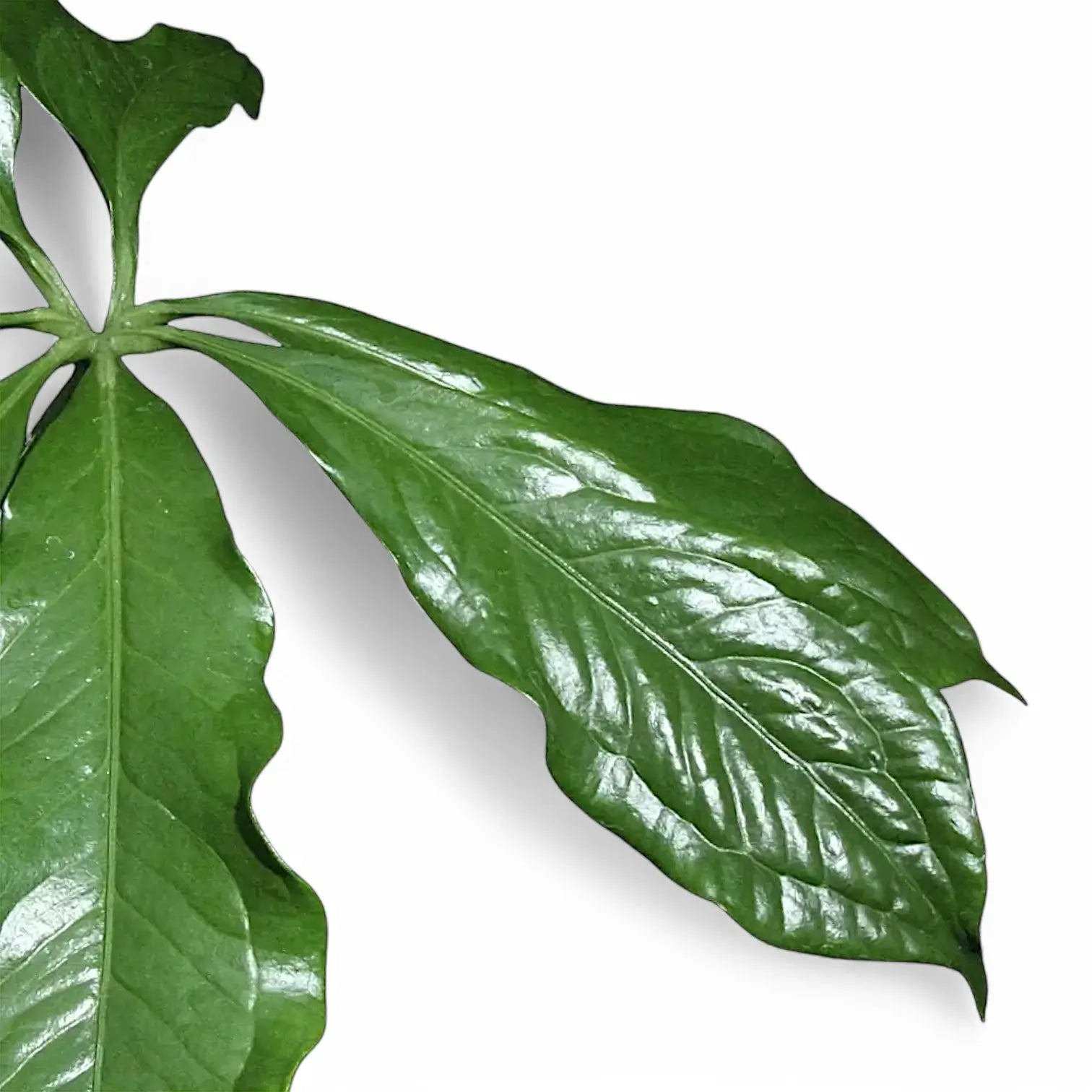
anthurium digitatum care Anthurium digitatum – Digitately Divided LeavesAnthurium digitatum Anthurium digitatum is a finger leaved Anthurium with palmately divided foliage. Each blade separates into radiating segments, giving the plant an open, hand shaped leaf form. Its divided blades are the defining feature of the species, while its epiphytic roots need bright filtered light, an airy root environment, steady moisture and enough humidity for new growth to expand cleanly. Fingered foliage on Anthurium digitatum Palmate

Anthurium digitatum

Anthurium digitatum is a finger-leaved Anthurium with palmately divided foliage. Each blade separates into radiating segments, giving the plant an open, hand-shaped leaf form.

Its divided blades are the defining feature of the species, while its epiphytic roots need bright filtered light, an airy root environment, steady moisture and enough humidity for new growth to expand cleanly.

Fingered foliage on Anthurium digitatum

  • Palmate leaves: Leaf segments radiate from a shared point, forming a fingered blade.
  • Open blade shape: The divided foliage creates spaces between the leaf sections.
  • Epiphytic habit: The species grows epiphytically, so roots need air as well as moisture.
  • Wet-tropical origin: It is native to Tobago and Venezuela in wet tropical conditions.
  • Fine leaf edges: The lobes can mark or crisp when humidity, watering or handling are poor.
  • Radiating leaf form: The segments are held from a shared point on firm petioles.

Epiphytic growth and natural setting

Anthurium digitatum comes from wet tropical habitats in Tobago and Venezuela and grows epiphytically. In a pot, that points to coarse substrate, reliable drainage and regular moisture, because dense water-retentive soil reduces oxygen around the roots.

The leaf segments also need physical space. Crowded shelves, tight sleeves or repeated contact with neighbouring pots can bend or tear the narrow sections before the leaf has hardened.

Indoor care for Anthurium digitatum

  • Light: Bright filtered light keeps the petioles from stretching excessively and protects the leaf sections from direct sun scorch.
  • Water: Water thoroughly, then allow the upper part of the mix to lose some moisture before watering again.
  • Substrate: Use a chunky epiphyte-style Anthurium mix with bark, coarse fibre and mineral particles for drainage and air flow.
  • Humidity: Moderate to high humidity reduces crispy lobe tips and helps the divided blades open evenly.
  • Temperature: Keep the plant warm and away from cold windowsills, especially after watering.
  • Placement: Leave space around the leaves so the fingered sections are not constantly bent or pressed.
  • Feeding: Apply a mild fertiliser during active growth; flush the mix occasionally if mineral salts build up.

Leaf and root issues

  • Crispy lobe tips: Dry air, irregular watering or fertiliser salts can brown the ends of the divided segments.
  • Torn leaf sections: The open blade shape can tear from handling, tight packing or repeated contact with other plants.
  • Weak petioles: Low light can lead to longer, softer petioles that lean toward the light source.
  • Root stress: Compact potting soil can stay wet too long and reduce oxygen around epiphytic roots.
  • Distorted new leaves: Check humidity, root health and pests if a new divided leaf opens unevenly.

Safety for Anthurium digitatum

Anthurium digitatum is not pet-safe. Chewing the plant can release irritating calcium oxalate crystals, causing discomfort in the mouth and throat as well as possible digestive irritation.

Botanical background

The accepted name is Anthurium digitatum (Jacq.) Schott. The species was first described as Pothos digitatus by Jacquin before Schott placed it in Anthurium. The epithet refers to a digitate or fingered form, which matches the plant’s divided leaves directly.

Shipping Notes
  • Free Standard Shipping on $100+ Orders to the USA.
  • Except Preorder products are shipped in 48 hours.
  • Delivery to the USA:
  1. Standard Shipping : 3-10 business days
  • If time is of the essence, please consider selecting expedited delivery for faster service.
Exchange/Return Notes
  • We offer a 30-day return/exchange service after receiving.
  • Final sale items are not eligible for returns or exchanges.
  • To process your return/exchange, please contact us at [email protected]
  • Please click here for more details>>> Return & Exchange Policy
SKU: 58674900809

Discover Niche Categories That Outsell anthurium digitatum care

Top-Converting Item to Boost Your Average Order

4.4 ★★★★★
Based on 15 reviews
Sort
Highest Rating
Newest First
Oldest First
Product Reviews
A
Verified Purchase
Andres Rivera
Bozeman, US
★★★★★ 5
Nice book
Format: Paperback
Nice historical book.
WAS THIS REVIEW HELPFUL?YesReportShare
Reviewed in the United States on May 9, 2026
C
Verified Purchase
CBRNCougar59
Houston, US
★★★★★ 3
Poor Editing - header misprint
Format: Paperback
Chapter 3 - 'Manipulation of Risk' header mislabeled as chapter 2
WAS THIS REVIEW HELPFUL?YesReportShare
Reviewed in the United States on January 10, 2023
D
Verified Purchase
DiBeth
Massapequa, US
★★★★★ 5
Wow!
Format: Paperback
I do not understand how the authors got so much information so comprehensibly into such a short book. It's 272 pages but it felt so short because the information is jam-packed in there and presented so well. It's one thing to know your stuff, it's a whole other ballgame to present it so people (without the level of training the author's have) can dive deep and really understand what you're saying and these authors nailed it. Great book, so interesting and easy to read.
WAS THIS REVIEW HELPFUL?YesReportShare
Reviewed in the United States on April 2, 2026
J
Verified Purchase
John M. Ford
Cuba, US
★★★★★ 5
"Don't Practice on Your Significant Other"
Format: Kindle
This book's authors have many years of experience interviewing CIA assets, CIA employees, and a variety of ordinary people in non-CIA settings. Their specialty is in determining when someone is lying. And they are good at it. This skill in detecting deception has done a lot of good, helping their clients make better decisions about hiring the right new employee, trusting the right baby sitter, and prosecuting the person who really "did it." Sometimes the skills bring pain, making clear that the waiting doctor's politeness covers bad news or that a spouse isn't really joking about "her boyfriend." Still, it's better to know, isn't it? Detecting deception isn't magic and it isn't infallible. But it is possible to become better at it than most of us are now. The book identifies several barriers to accurately detecting deception. We expect most people to tell the truth, we ask the wrong questions, and we look for the wrong "tells" in other people's behavior. And we try to watch everything they do instead of focusing on a small number of reliable indicators. Such reliable indicators of deception include certain kinds of verbal hesitations and evasions as well as specific body movements of which a deceiver is largely unaware. Readers learn to ask questions that require different mental processing from guilty versus innocent suspects. One technique is to ask questions a good guy will answer with an immediate--and perhaps angry--"No!" while the bad guy will need to give a longer, more carefully worded response. We watch for deception indicators that begin in the first five seconds after a question. And we look for clusters of indicators rather than for single actions. There is more to it, of course, but this is the core methodology the book presents. It's good stuff. And it's learnable. I attended a training session conducted by the authors' company (QVerity, in partnership with hemsleyfraser) this week. I had listened to roughly three-quarters of the audiobook during a long car ride the day before. Based on what I learned from the book I was able to do well in the video pre-test, successfully distinguishing a lying suspect from the four who told the truth. Almost everyone was also able to do this after two hours of training. So it seems to me that the book is nearly as valuable as being taught these skills by the authors themselves. It is a well-written, fascinating book on a very useful topic. I highly recommend it. A final comment. The book closes with a warning to use these skills only for good. And to not practice them on our significant others. Apparently catching your spouse in all of those little white lies can put unnecessary stress on the relationship. I may have made a variation of this error by giving my wife a copy of the book and inviting her along to the training. Not sure that was such a good idea. We'll see.
WAS THIS REVIEW HELPFUL?YesReportShare
Reviewed in the United States on July 20, 2012
B
Verified Purchase
Bernice Tett
New York, US
★★★★★ 4
My honest review of the book . Spy The Lie
Format: Paperback
Spy the Lie" by Philip Houston is a practical and fascinating guide that teaches you how to spot deception using the same proven techniques developed by the CIA. Instead of looking for unreliable body language "clues," it focuses on identifying specific verbal and non-verbal behaviors that people show when they are feeling the stress of a lie. It’s written in very clear, everyday language with plenty of real-world examples, making it a great tool for anyone who wants to communicate more effectively and know who they can really trust.
WAS THIS REVIEW HELPFUL?YesReportShare
Reviewed in the United States on February 4, 2026

recommand products