Pay in installments of $6.71 with
 ,
,
 and
and

Shipping Estimate
USA
- USA
- CAN
- USA
- CAN
Ships within 48 hours · Estimated delivery Sep 27 - Oct 2
 Promo Codes Available:
For Your Every Summer RSVP, with Code: SUMMER15
Description
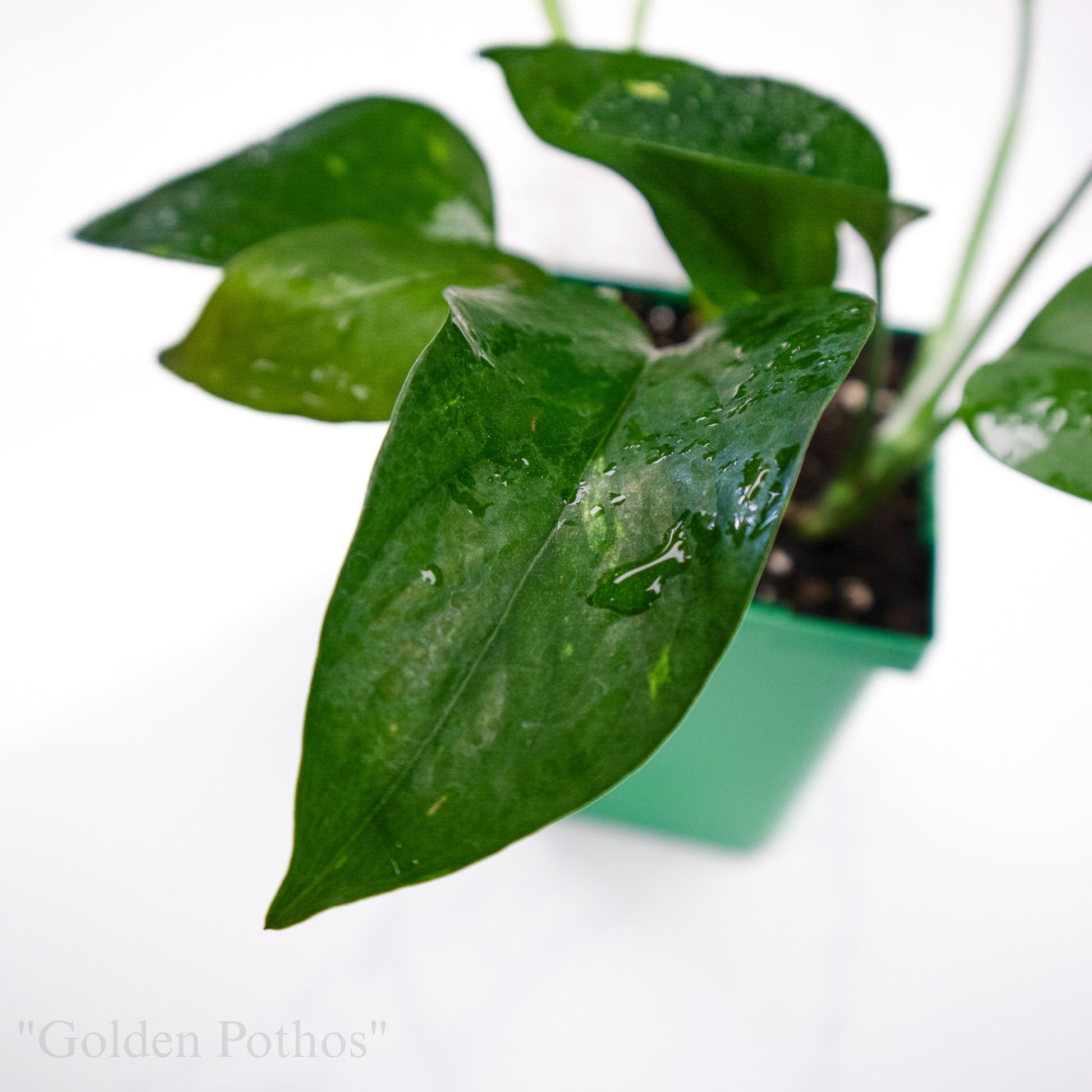
golden pothos en español Epipremnum aureum “Golden Pothos”The Golden Pothos, also known as Epipremnum aureum, is a popular and resilient vining plant prized for its glossy, heart shaped leaves with striking golden yellow marbling. This low maintenance, fast growing plant thrives in a variety of conditions, making it an excellent choice for bioactive setups, where it will complement the natural ecosystem of your terrarium, vivarium, or paludarium. Care Instructions LIGHT. Prefers bright, indirect light but is
The Golden Pothos, also known as Epipremnum aureum, is a popular and resilient vining plant prized for its glossy, heart-shaped leaves with striking golden-yellow marbling. This low-maintenance, fast-growing plant thrives in a variety of conditions, making it an excellent choice for bioactive setups, where it will complement the natural ecosystem of your terrarium, vivarium, or paludarium.
Care Instructions
LIGHT. Prefers bright, indirect light but is highly adaptable and can tolerate lower light levels. However, the golden variegation will be more pronounced in brighter light. In bioactive setups, place your Golden Pothos near a light source but avoid direct sunlight, which can scorch its leaves.
SOIL. A well-draining, loose soil mix is ideal. A blend of coconut coir, perlite, and orchid bark works well for this plant, mimicking its natural tropical environment and providing good aeration. In bioactive enclosures, this type of soil will not only keep your plant happy but also create a thriving habitat for decomposers like isopods and springtails, which help break down organic matter.
WATERING. Keep the soil consistently moist but not soggy. Allow the top 1-2 inches to dry out between waterings. In bioactive setups, the decomposers like isopods and springtails will help maintain balance by breaking down excess organic material, so you don’t need to worry about over-watering. Be mindful not to let it stay too wet for long periods.
HUMIDITY. Thrives in high humidity, making it a great fit for bioactive tanks. Aim to keep humidity levels above 60% for optimal growth. The naturally humid environment in bioactive setups is perfect for this plant.
TEMPS. Prefers warm temperatures between 65°F and 80°F (18°C to 27°C). Avoid placing it in drafty areas or near cold windows to prevent stress. A steady, warm environment will keep it growing vigorously.
FERTILIZATION. During the growing season (spring and summer), feed with a balanced liquid fertilizer every 4-6 weeks. In winter, reduce feeding as the plant’s growth slows. For a nutrient-pumped soil that supports lush growth, try using Mealworm Frass — a natural, organic fertilizer produced by mealworm colonies fed on diverse vegetation.
Cohabitation with Bioactive Organisms
ISOPODS. Isopods are excellent partners for Golden Pothos. They help maintain a healthy substrate by breaking down plant debris and uneaten food, keeping the soil nutrient-rich without becoming too compact. The decaying leaves and organic matter from the plant will feed the isopods, creating a natural, balanced cycle.
SPRINGTAILS. These tiny arthropods are great at managing mold, fungi, and decaying organic matter. Springtails thrive in the humid, moist environment that Golden Pothos loves, keeping the soil clean and healthy. Their constant work in the soil ensures that the plant’s roots remain healthy and free from mold.
Soil and Maintenance Tips
SUBSTRATE. A well-draining, nutrient-rich substrate is key. A mixture of coconut coir, orchid bark, and perlite provides optimal root health while also supporting decomposers like springtails and isopods. A thin layer of activated charcoal at the bottom of the tank can also help with filtration and odor control.
HUMIDITY CONTROL. In a bioactive environment, a shallow water dish or light misting can increase humidity levels. Golden Pothos will thrive in moist conditions, and the presence of springtails will help maintain the moisture balance in the substrate.
TRIMMING. Golden Pothos grows rapidly, so trimming the vines occasionally helps maintain its shape and encourages bushier growth. You can easily propagate the cuttings in water or soil, making this plant a fantastic option for expanding your collection.
PEST CONTROL. Golden Pothos is naturally pest-resistant. However, in a bioactive setup, springtails and isopods will help control any small pests like mealybugs or aphids by feeding on their eggs or larvae, keeping your plant healthy and pest-free.
With its vibrant, gold-speckled leaves and ease of care, Golden Pothos is a perfect choice for bioactive setups. It thrives alongside decomposers like isopods and springtails, helping create a sustainable, nutrient-pumped environment where both your plants and the ecosystem of your vivarium or terrarium can flourish. By mimicking the plant’s natural habitat with proper humidity, light, and soil, you’ll support healthy growth and a thriving ecosystem.
Shipping Notes
- Free Standard Shipping on $100+ Orders to the USA.
- Except Preorder products are shipped in 48 hours.
- Delivery to the USA:
- Standard Shipping : 3-10 business days
- If time is of the essence, please consider selecting expedited delivery for faster service.
Exchange/Return Notes
- We offer a 30-day return/exchange service after receiving.
- Final sale items are not eligible for returns or exchanges.
- To process your return/exchange, please contact us at [email protected]
- Please click here for more details>>> Return & Exchange Policy