Pay in installments of $7.32 with
 ,
,
 and
and

Shipping Estimate
USA
- USA
- CAN
- USA
- CAN
Ships within 48 hours · Estimated delivery Oct 19 - Oct 24
 Promo Codes Available:
For Your Every Summer RSVP, with Code: SUMMER15
Description
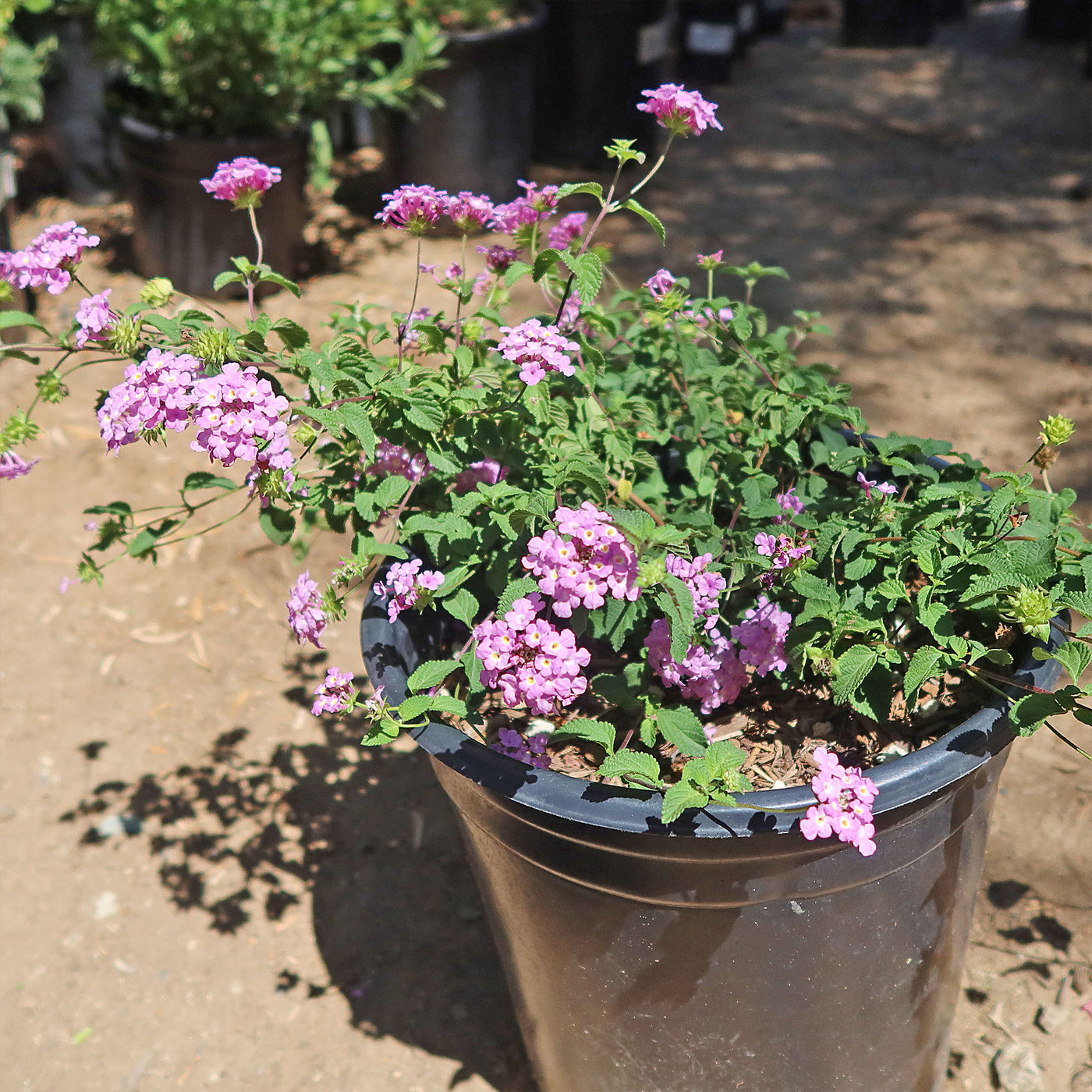
lantana indoor plant Lantana montevidensis ‘Purple Trailing Lantana' 1 GalThe Lantana montevidensis, known as Purple Lantana, is a vibrant, trailing plant popular for its colorful long lasting blooms and hardy nature. This variety is often grown for ground cover due to its low growing, trailing habit, making it ideal for landscapes, hanging baskets, or cascading over walls. Its attractive purple flowers and ability to thrive in challenging conditions have made it a favorite for drought tolerant gardens. Native to South
The Lantana montevidensis, known as ‘Purple Lantana’, is a vibrant, trailing plant popular for its colorful long-lasting blooms and hardy nature. This variety is often grown for ground cover due to its low-growing, trailing habit, making it ideal for landscapes, hanging baskets, or cascading over walls. Its attractive purple flowers and ability to thrive in challenging conditions have made it a favorite for drought-tolerant gardens.
Native to South America, the Lantana montevidensis has several other common names such as Purple Trailing Lantana, Creeping Lantana, Weeping Lantana, Wild Verbena, or Dwarf Purple Lantana.
Its variety of common names reflects its low-growing, creeping habit and distinct color.
The long, trailing stems of this Lantana perennial plant can grow up to a length of 2 feet and spread about 5 feet across the ground to form a dense mat.
The small, coarsely-toothed, slightly hairy, dark green leaves are rough to the touch and have a slightly pungent scent when crushed.
The plant’s ability to thrive in poor soil conditions and its drought tolerance makes it easy to maintain in a wide range of environments. The purple flowers of Lantana montevidensis bloom prolifically throughout the year, especially in warmer climates.
Blooming continuously from spring to fall in temperate areas, and even year-round in frost-free climates, these flowers are a major reason for the plant’s popularity. The blooms are small, tubular, and grouped into compact clusters, with each flower exhibiting a vibrant purple or lavender hue. These clusters can cover the plant, creating a beautiful, colorful display that attracts attention.
When and How to Water Your Purple Lantana
Lantana montevidensis is a drought-tolerant plant that thrives in dry conditions and only requires occasional watering once established. To avoid root rot, allow the soil to dry between waterings.
In the spring and summer, during the growing season, you should water the Lantana purple trailing plant when the soil about 1-2 inches deep is dry. This usually translates to watering your plant once a week.
In contrast, during the dormant season in fall and winter, you can reduce watering frequency to every 2-3 weeks. It is critical to adjust the watering schedule based on the plant's requirements and the environment. Observing the plant for signs of underwatering, such as wilting or dry soil, can help you fine-tune the watering routine for your purple lantana.
Additionally, it's advisable to water the Lantana montevidensis purple in the morning to allow excess moisture to evaporate during the day, reducing the risk of fungal diseases.
When watering, aim to water the soil directly at the base of the plant to ensure the roots receive adequate moisture.
Light Requirements – Where to Place Your Purple Lantana
When grown indoors, Lantana trailing purple plants thrive in bright, indirect light for at least 4-6 hours a day. Placing the plant near a south-facing window where it can receive ample sunlight without direct exposure to harsh rays is ideal. If natural light is insufficient, supplementing with grow lights can help maintain the plant's health and encourage flowering.
For outdoor cultivation, the purple lantanas flourish in full sun to partial shade. These plants require at least 6-8 hours of direct sunlight daily to bloom profusely and maintain their vibrant color. They prefer a location that receives plenty of sunlight throughout the day. Ensure there are no obstructions like buildings or trees that can shade the plant. Adequate sunlight exposure promotes healthy growth and enhances the plant's ability to produce an abundance of colorful flowers, attracting pollinators to your garden.
Optimal Soil & Fertilizer Needs
Purple lantanas thrive in well-drained soil. But you need to be extra cautious and need to use the right kind of soil. Moisture can be a real killer, leading to root and stem rot in no time flat. But fear not my fellow green thumbs!
Planet Desert has got your back with our specialized potting mix that includes 5 natural substrates with organic mycorrhizae – perfect for promoting healthy roots and happy plants.
In terms of fertilizer, purple lantanas benefit from a balanced, all-purpose fertilizer applied during the growing season.
A slow-release fertilizer with equal parts nitrogen, phosphorus, and potassium can support healthy foliage growth and vibrant blooms.
It's recommended to fertilize the plant once a year during the growing season, following the instructions on the fertilizer package for proper application.
Over-fertilizing can lead to excessive foliage growth at the expense of flowers, so it's important to strike a balance in feeding your purple lantana.
Additionally, incorporating a layer of organic mulch around the base of the Lantana montevidensis can help retain moisture, regulate soil temperature, and provide a slow release of nutrients as it breaks down. This mulch layer can mimic the plant's natural environment and contribute to its overall well-being.
Hardiness Zones & More
When growing indoors, the purple lantanas prefer temperatures between 60-75°F during the day and slightly cooler temperatures at night. Maintaining a consistent temperature range is important for the plant's well-being. Additionally, indoor environments with moderate humidity levels around 40-60% can help the plant thrive, especially during the growing season.
For outdoor cultivation, your trailing lantana is well-suited for USDA hardiness zones 8-11. These plants thrive in warm climates and are sensitive to frost, so it's essential to plant them in areas where temperatures do not drop below 20°F. In regions with colder winters, purple lantanas can be grown as annuals or brought indoors during the colder months to protect them from frost damage. Regarding humidity, purple lantanas are adaptable to a wide range of humidity levels but prefer moderate humidity around 50-60% for optimal growth and flowering.
Wildlife - Lantana Montevidensis attracts the following Friendly-Pollinators
The Purple Trailing Lantana is highly attractive to pollinators, especially butterflies, bees, and hummingbirds. Its nectar-rich flowers provide a valuable food source for these beneficial insects, making it a perfect addition to a pollinator-friendly garden. The plant's long blooming season ensures that pollinators have a consistent source of nectar throughout the warmer months.
Toxicity: Despite its ornamental appeal, it is important to note that Lantana montevidensis is considered mildly toxic to both pets and humans if consumed in a large amount. Lantana poisoning causes vomiting, diarrhea, and, in severe cases, liver damage. As a result, care should be taken when planting this species in areas accessible to children, dogs, cats, and other animals. It is advisable to plant this species in areas where pets are unlikely to have direct access.
How to Propagate Purple Lantana
To propagate your lantana montevidensis, stem cutting is the best method. Take a healthy stem cutting, remove the lower leaves, and dip the cut end in a rooting hormone to promote root growth. Plant the cutting in a well-drained potting mix and keep it moist until roots develop. Providing warmth and indirect light can help the cutting establish itself. Once roots have formed, the new plant can be transferred to a larger container or planted in the garden. This method of propagation is a reliable way to create new purple lantana plants and expand your garden or indoor plant collection.
Key Takeaways
- This shrub produces vibrant, fragrant purple flowers in clusters, providing long-lasting blooms from mid-spring to fall, attracting pollinators and butterflies.
- Purple Lantana Montevidensis is an exceptionally drought-tolerant shrub, thriving in dry conditions with minimal watering, making it ideal for water-conscious landscapes.
- This Lantana variety requires minimal pruning, fertilization, and pest management, perfect for busy gardeners seeking hassle-free beauty.
- It is unappealing to deer, reducing damage and protecting gardens from unwanted grazing.
- Purple Lantana Montevidensis exhibits remarkable heat tolerance, maintaining its lush foliage and vibrant blooms even in extreme temperatures.
- With its compact growth habit and trailing tendency, Purple Lantana Montevidensis excels as a groundcover, container plant, or border shrub, offering versatility for diverse landscape designs.
The Bottom Line
Overall, the Lantana montevidensis (Purple Trailing Lantana) is a hardy, perennial plant that offers an abundance of vibrant purple flowers throughout the year, especially in warmer climates. Its trailing habit, low-growing form, and ability to spread make it ideal for ground cover, hanging baskets, or cascading over walls. This drought-tolerant plant thrives in full sun and can handle poor soil conditions, making it a low-maintenance option for many gardens. When caring for ‘Purple Trailing Lantana,’ ensure it is planted in well-drained soil, water it moderately, and prune to maintain shape and encourage new blooms. Its ability to attract pollinators like butterflies and bees is a significant bonus. Order your very own Purple lantana plants for sale today!
Shipping Notes
- Free Standard Shipping on $100+ Orders to the USA.
- Except Preorder products are shipped in 48 hours.
- Delivery to the USA:
- Standard Shipping : 3-10 business days
- If time is of the essence, please consider selecting expedited delivery for faster service.
Exchange/Return Notes
- We offer a 30-day return/exchange service after receiving.
- Final sale items are not eligible for returns or exchanges.
- To process your return/exchange, please contact us at [email protected]
- Please click here for more details>>> Return & Exchange Policy