Pay in installments of $6.52 with
 ,
,
 and
and

Shipping Estimate
USA
- USA
- CAN
- USA
- CAN
Ships within 48 hours · Estimated delivery Sep 27 - Oct 2
 Promo Codes Available:
For Your Every Summer RSVP, with Code: SUMMER15
Description
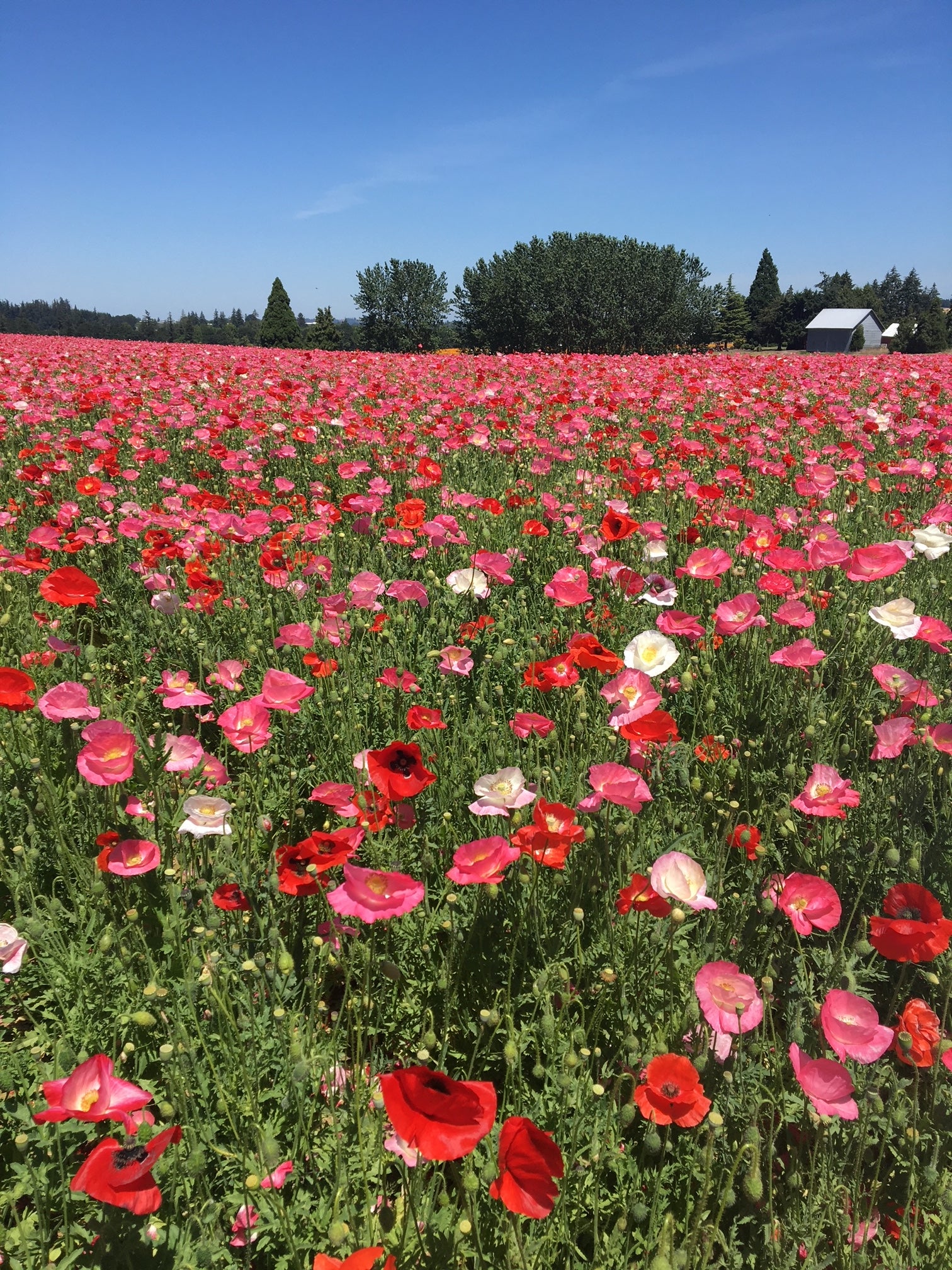
poppy seed flower field Mixed Colors Corn Poppy Wildflower Seed – Hancock SeedCorn Poppy is an annual flowering plant celebrated for its colorful and abundant blooms. The Mixed Colors variety refers to a mix of various hues within the Papaver rhoeas species. The Mixed Colors variety of Corn Poppy produces a dazzling array of flowers in shades of red, pink, white, and sometimes with combinations or variations within these colors. Each flower typically has four delicate petals and a contrasting center.~~~ Corn Poppy is an annual
Corn Poppy is an annual flowering plant celebrated for its colorful and abundant blooms. The Mixed Colors variety refers to a mix of various hues within the Papaver rhoeas species. The Mixed Colors variety of Corn Poppy produces a dazzling array of flowers in shades of red, pink, white, and sometimes with combinations or variations within these colors. Each flower typically has four delicate petals and a contrasting center.~~~
Corn Poppy is an annual flowering plant celebrated for its colorful and abundant blooms. The Mixed Colors variety refers to a mix of various hues within the Papaver rhoeas species. The Mixed Colors variety of Corn Poppy produces a dazzling array of flowers in shades of red, pink, white, and sometimes with combinations or variations within these colors. Each flower typically has four delicate petals and a contrasting center.
Product Information
- Botanic Name: Papaver rhoeas
- Application or Use: Ornamental, Garden Flower, Landscaping, Cut Flower, Medicinal
- Germination Time: 14 - 21 days, under optimal conditions
- Growing Locations: Warm Season, Transition Zone, Cool Season
- Height: 2 feet
- Sunlight Requirements: 8+ hours, full sun for best results
- Advantages: Adapted to many soil types; showy blooms, excellent for landscaping; attracts pollinators.
- When to Plant: See instructions tab.
Product Information
Corn Poppies generally grow to heights of about 1 to 2 feet, with single stems that support the blooms. This variety blooms prolifically in late spring to early summer, showcasing its vibrant and diverse colored flowers. The flowering season can vary based on climate and growing conditions.
The plant's foliage consists of delicate, finely dissected, and somewhat hairy green leaves that complement the colorful blooms. Corn Poppies thrive in well-drained soil and prefer full sun. They're relatively adaptable and can tolerate moderate drought once established.
Mixed Colors Corn Poppies are popular in wildflower gardens, meadows, and cottage-style gardens, adding a burst of vibrant and varied colors. They are also used in cut flower arrangements. Corn Poppies are generally low-maintenance. Regular deadheading can prolong blooming and prevent excessive self-seeding if desired.
The appeal of the Mixed Colors variety of Corn Poppy lies in its diverse and vivid range of colors, adding a captivating and naturalistic display of blooms to gardens and landscapes.
*Product packaging may appear different than what is pictured.~~~
Wildflower Planting Time Based on Region:
Southeast
- Fall, Winter: Sowing wildflowers in Fall/Winter is the ideal time in the Southeast, with October 1 – December 31 being the best dates. The weather is ideal for starting seeds, and seedlings can grow and harden off before frost.
- Spring: A good time to plant wildflowers, especially annual species that flower quickly. Plant after the last frost date when soil temperatures have warmed to around 55°F, typically occurring within a month or so after the final frost of winter; this ensures the seeds can germinate properly without being affected by cold weather.
- Summer: You can plant wildflower seeds in the summer, but the hot sun can dry out the soil and stress your seedlings. Summer is a good time to plant quick-growing annual wildflowers.
Southwest
- Fall: A good time to plant spring wildflowers in the desert Southwest. Fall's cooler temperatures and seasonal rains help seeds germinate. In the mountains, you can plant after spring frosts.
- Winter: In areas that get snow, winter seeding can give seeds an advantage in the spring.
- Spring: A popular time to plant wildflowers in most states. You can plant after the last frost and when the soil temperature is at least 55°F. In warmer climates, you can plant at the end of the rainy season.
- Summer: You can plant wildflower seeds in the summer, but the hot sun can dry out the soil and stress your seedlings. Summer is a good time to plant quick-growing annual wildflowers.
Northeast
- Fall, Winter: The best time to plant wildflowers in the Northeast is in late fall, after the first frost but before heavy snow. This is known as dormant seeding and can take place from November to December. Cold temperatures and damp soil during the winter help wildflower seeds germinate.
- Spring: Plant in early spring, after the ground has thawed and soil temperatures reach around 55-65°F. This is a popular time to plant wildflowers because it's typically rainier, which helps water seedlings.
- Summer: You can plant wildflower seeds in the summer, but the hot sun can dry out the soil and stress your seedlings. Summer is a good time to plant quick-growing annual wildflowers.
Midwest
- Fall, Winter: Plant in late fall (November–December) after the first frost. The seeds will overwinter and germinate in the spring. Fall planting is a good option for cooler climates and can give the seeds an early start in the spring.
- Spring: Plant in early spring (April–May) after the last frost when the soil temperature is consistently above 55°F. Spring is a popular time to plant because the soil is usually moist from rain, and you can see the wildflowers grow right away.
- Summer: You can plant wildflower seeds in the summer, but the hot sun can dry out the soil and stress your seedlings. Summer is a good time to plant quick-growing annual wildflowers.
Western
- Fall, Winter: Plant in late fall (November–December) after the first frost. The seeds will overwinter and germinate in the spring. Fall planting is a good option for cooler climates and can give the seeds an early start in the spring.
- Spring: Plant in early spring (April–May) after the last frost when the soil temperature is consistently above 55°F. Spring is a popular time to plant because the soil is usually moist from rain, and you can see the wildflowers grow right away.
- Summer: You can plant wildflower seeds in the summer, but the hot sun can dry out the soil and stress your seedlings. Summer is a good time to plant quick-growing annual wildflowers.
Pacific Northwest
- Fall, Winter: Plant in late fall (November–December) after the first frost. The seeds will overwinter and germinate in the spring. Fall planting is a good option for cooler climates and can give the seeds an early start in the spring.
- Spring: Plant in early spring (April–May) after the last frost when the soil temperature is consistently above 55°F. Spring is a popular time to plant because the soil is usually moist from rain, and you can see the wildflowers grow right away.
- Summer: In cooler zones with higher elevation, you can plant wildflowers in late spring to early summer, after the risk of frost has passed. You can plant wildflower seeds in the summer, but the hot sun can dry out the soil and stress your seedlings. Summer is a good time to plant quick-growing annual wildflowers.
Shipping Notes
- Free Standard Shipping on $100+ Orders to the USA.
- Except Preorder products are shipped in 48 hours.
- Delivery to the USA:
- Standard Shipping : 3-10 business days
- If time is of the essence, please consider selecting expedited delivery for faster service.
Exchange/Return Notes
- We offer a 30-day return/exchange service after receiving.
- Final sale items are not eligible for returns or exchanges.
- To process your return/exchange, please contact us at [email protected]
- Please click here for more details>>> Return & Exchange Policy