Pay in installments of $6.76 with
 ,
,
 and
and

Shipping Estimate
USA
- USA
- CAN
- USA
- CAN
Ships within 48 hours · Estimated delivery Oct 2 - Oct 7
 Promo Codes Available:
For Your Every Summer RSVP, with Code: SUMMER15
Description
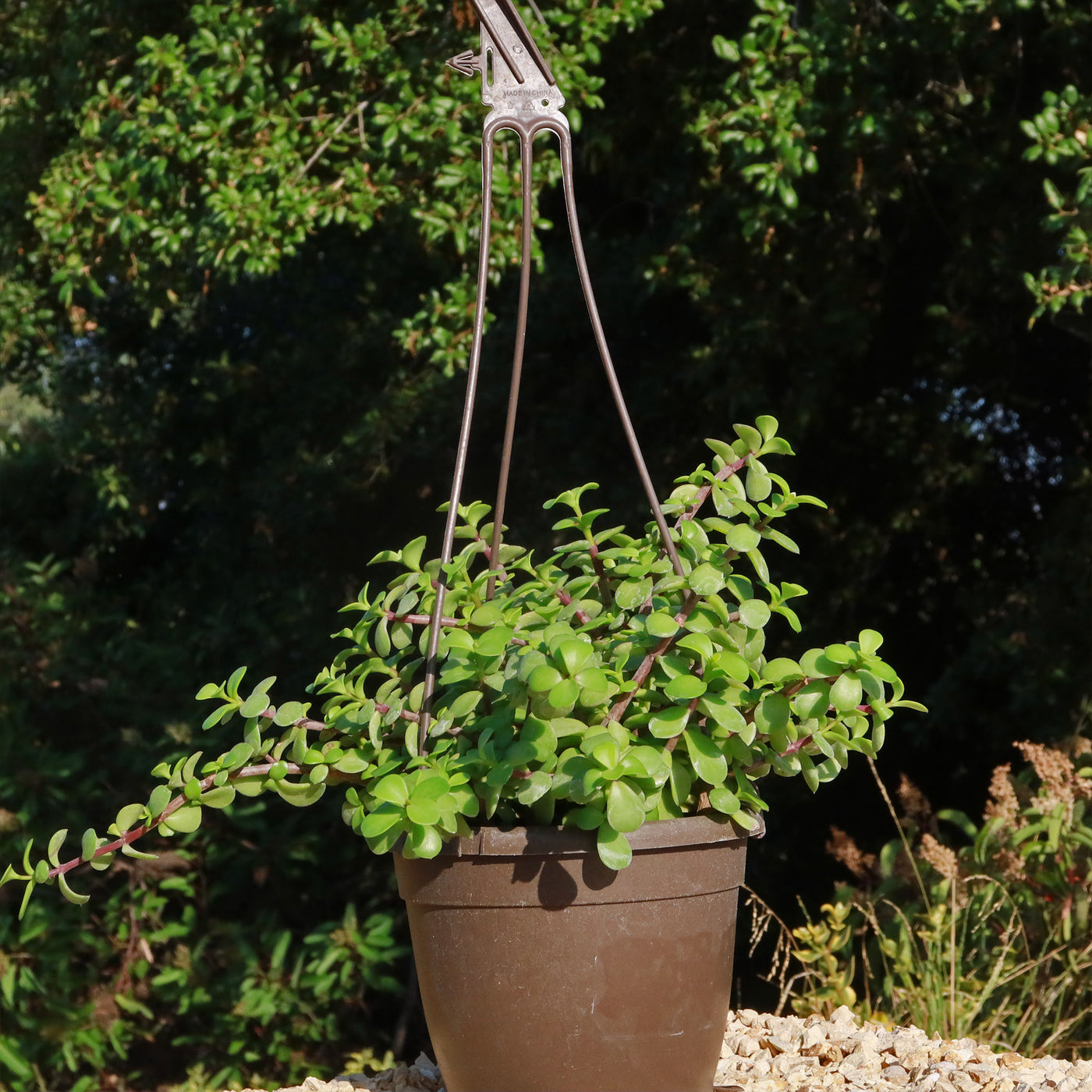
hanging elephant plant Buy 'Portulacaria afra Prostrata' Care and Growing GuideIntroducing the marvelous Trailing Elephant Bush, known as Portulacaria afra 'Prostrata', a stunning variety of the Portulacaria afra! This extraordinary succulent groundcover, also known as Spekboom or elephant food plant, is a true showstopper, boasting undeniable hardiness and enchanting beauty. Wherever it grows, its outstanding glossy leaves, which are perfectly rounded and glisten with a hint of elegance, will captivate them with an allure that
Introducing the marvelous Trailing Elephant Bush, known as Portulacaria afra 'Prostrata', a stunning variety of the Portulacaria afra! This extraordinary succulent groundcover, also known as Spekboom or elephant food plant, is a true showstopper, boasting undeniable hardiness and enchanting beauty.
Wherever it grows, its outstanding glossy leaves, which are perfectly rounded and glisten with a hint of elegance, will captivate them with an allure that is impossible to resist. Portulacaria afra 'Prostrata' is a small, low-growing succulent that typically reaches a mature size of 6–12 inches in height and spreads up to 3–4 feet wide. Its compact and trailing growth habit makes it an excellent choice for ground cover or cascading over walls or containers.
The flowers of the trailing Portulacaria afra prostrata are typically pink or pale purple and add a delightful touch to the plant's overall appearance. However, it's important to note that flowering is not as common in Portulacaria afra prostrata compared to other succulents. So, while the focus is mostly on its trailing growth and vibrant leaves, the occasional burst of blooms can be a pleasant surprise!
When it comes to propagating elephant bush Portulacaria afra prostrata, it can be done through stem cuttings and leaf cuttings. With time and proper care, the cutting will develop roots and grow into a new plant. Both methods can be successful in propagating this lovely succulent.
Additionally, the Portulacaria afra prostrata variety is generally considered safe for both humans and pets. This means you can enjoy the beauty of this plant without worrying about any harmful effects if accidentally ingested.
Watering Needs
This variety of dwarf jade is a succulent plant that doesn't need too much water. Overwatering can lead to root rot, so it's important to let the soil dry out completely between waterings. Water your elephant food plant when the soil is dry to the touch, but not bone dry. During the summer months, you may need to water your elephant plant more frequently than in the winter (dormant).
When watering your trailing elephant bush, make sure to give it a thorough soak. Water the soil around this dwarf jade bonsai until it starts to drain out of the bottom of the pot. Empty any excess water from the saucer underneath the pot to prevent the roots from sitting in standing water. With proper watering, your trailing Portulacaria afra prostrata will thrive and grow beautiful trailing stems!
Light Requirements
When grown indoors, the Portulacaria afra prostrata prefers bright, indirect sunlight. Place your trailing plant in a location that receives bright light for most of the day. If you notice that the leaves are turning yellow or brown, it may be a sign that this succulent elephant bush is getting too much light.
If you are growing your trailing elephant bush outdoors, it can tolerate some full sunlight for at least 4-6 hours a day, but too much can scorch the leaves.
If you don't have a bright spot in your home, you can still grow a trailing elephant bush! These elephant bushes can tolerate lower light conditions, but they may not grow as quickly or produce as many leaves.
You can also supplement your Portulacaria afra prostrata light with a grow light. Place the grow light a few inches above the Portulacaria afra prostrata and keep it on for 12-14 hours a day.
Optimal Soil & Fertilizer Needs
The trailing elephant bush Portulacaria afra prostrata prefers well-draining soil that is slightly acidic. You can use a succulent soil mix or make your own by combining regular potting soil with sand or perlite. Here at Planet Desert, we have a specialty-formulated succulent potting mix that contains 5 natural substrates and organic mycorrhizae to promote the development of a strong root system that helps your succulent to thrive. Make sure the pot has a drainage hole to allow excess water to escape.
When it comes to fertilizing your Portulacaria afra prostrata, less is more. It doesn't need a lot of fertilizer to thrive. You can fertilize your succulent plant once a year during the growing season (spring) with a balanced fertilizer of NPK (5-10-5). Don't fertilize your plant during the winter months, when it's not actively growing. With proper soil and fertilizer, your trailing elephant bush will thrive and grow beautiful trailing stems!
Hardiness Zone & More
The ideal temperature for indoor trailing Portulacaria afra prostrata is 65-75 degrees Fahrenheit, they can survive moderate winter temperatures as long as the soil is not wet, and the temperature does not drop below 45 F. They ought to be overwintered indoors to prevent harm from freezing weather.
The Portulacaria species can't stand frost or too much humidity, therefore it needs warm, dry conditions. A well-draining potting mix and drainage holes in the potting container will help you maintain temperatures and prevent too much moisture. They can therefore be cultivated outside in USDA zone 9.
Final Thoughts
Whether you're looking for an eye-catching addition to your rockery or envisioning cascading elegance down slopes and embankments, this Trailing Elephant Bush is here to make all your green dreams come true! Be sure to add Portulacaria afra prostrata - Trailing elephant bush to your collection today and elevate the beauty of your home or garden, with this stunning-looking plant.
Shipping Notes
- Free Standard Shipping on $100+ Orders to the USA.
- Except Preorder products are shipped in 48 hours.
- Delivery to the USA:
- Standard Shipping : 3-10 business days
- If time is of the essence, please consider selecting expedited delivery for faster service.
Exchange/Return Notes
- We offer a 30-day return/exchange service after receiving.
- Final sale items are not eligible for returns or exchanges.
- To process your return/exchange, please contact us at [email protected]
- Please click here for more details>>> Return & Exchange Policy