Pay in installments of $5.01 with
 ,
,
 and
and

Shipping Estimate
USA
- USA
- CAN
- USA
- CAN
Ships within 48 hours · Estimated delivery Sep 27 - Oct 2
 Promo Codes Available:
For Your Every Summer RSVP, with Code: SUMMER15
Description
where to get plant species x seeds Red Stem Ceanothus (Ceanothus sanguineus) – Sparrowhawk Native PlantsCeanothus sanguineus Red stem ceanothus, also known as Oregon tea tree, is a robust, upright shrub that performs well in dry, disturbed sites where it improves the soil through nitrogen fixation and is a magnet for pollinators, birds and other wildlife. Bright green, deeply veined oval leaves appear in spring, followed by fragrant tiny white flowers that cascade in elongated clusters from late spring to midsummer. The flowers have a pleasant fragrance
Ceanothus sanguineus
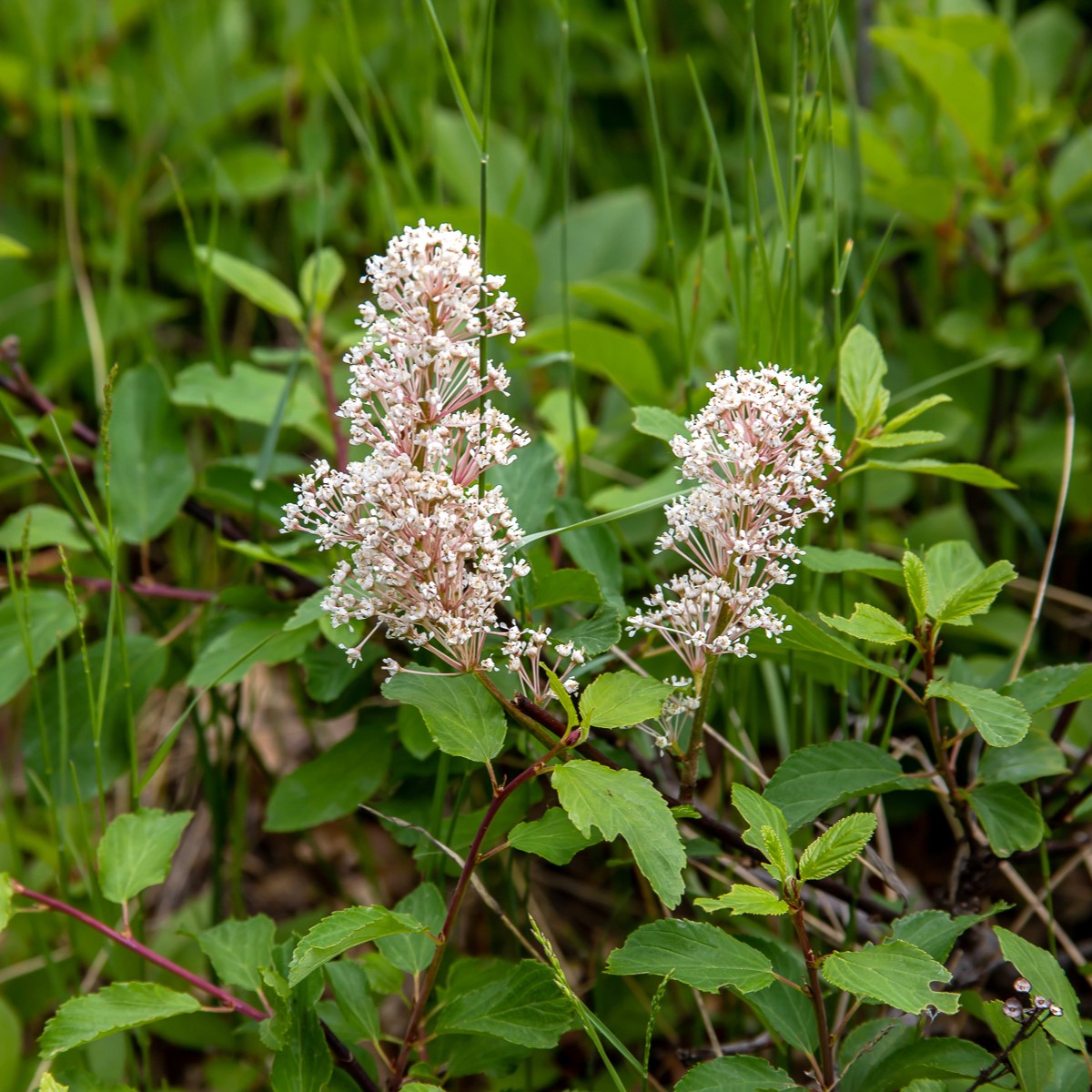
Red stem ceanothus, also known as Oregon tea tree, is a robust, upright shrub that performs well in dry, disturbed sites where it improves the soil through nitrogen-fixation and is a magnet for pollinators, birds and other wildlife. Bright green, deeply-veined oval leaves appear in spring, followed by fragrant tiny white flowers that cascade in elongated clusters from late spring to midsummer. The flowers have a pleasant fragrance and are coveted by butterflies, bees, and hummingbirds. The reddish-purple stems are also attractive in the winter.
- Plant type/canopy layer: deciduous, perennial, large shrub
- Size at maturity: 3'-10' tall, up to 10' wide
- Light requirements: full sun, part sun/part shade
- Moisture requirements: dry to moist soil, requires well-drained
- Bloom time: May - July (June in the Portland Metro area)
- Growth rate/ease: slow growth rate, moderately difficult to grow (requires specific conditions)
- Wildlife support: flowers attract and provide nectar to hummingbirds, adult butterflies, bees and other insect pollinators; seeds are consumed by many species of birds and small mammals; foliage is an important food source for Rocky Mountain Elk and is also favored by deer, rabbits, and livestock; overall plant attracts and supports beneficial and other pest eating insects, provides cover for birds and small mammals and is a caterpillar host and larval food source for the Ceanothus Silkmoth, and the Hedgerow Hairstreak butterfly (plus likely host to at least two dozen others)
- Native habitat/range: grows in dry, temperate coniferous forest openings and edges, as well as recently burned areas, across much of western North America from British Columbia to Montana to far northern California, as well as populations in Michigan. In the Pacific Northwest, it is mostly found on both sides of the Cascades and out toward the coast. Portland Plant List - yes.
- Special features & uses: wildlife and pollinator favorite; drought tolerant; nitrogen-fixer; medicinally used by indigenous peoples in tea, as poultice for wounds; other ethnobotanical uses include making a green dye from the flowers and using the woods to smoke meat, also goes by the name “Soapbloom” because all parts of the plant contain saponin, and can be beaten with water to produce a lightly-fragrant, foamy soap that cleans the skin without removing oil and causing drying; landscape uses include erosion control, bank stabilization, habitat hedgerows, rock gardens, pollinator gardens, and woodland gardens
Gardening with Red Stem Ceanothus: Red stem ceanothus loves exposed, sunny sites with low-nutrient soils that are rocky, sandy and/or loamy and sharply-draining. It will not survive in heavy soils nor clay. Like many other Ceanothus, the seeds require heat, which is naturally provided in the form of wildfires, for reproduction. It is exceptional in hedge rows, dry pollinator gardens, and on tough slopes or disturbed banks where it will help control erosion and will improve soils through nitrogen fixation.
Photo Credit 1: flowers and stems - © Jay Brasher, some rights reserved (CC-BY)
Photo Credit 2: parcialinflower - © Ryan Sorrells, some rights reserved (CC-BY)
Photo Credit 3: "Ceanothus sanguineus 2" by Thayne Tuason is licensed under CC BY-SA 4.0.
Photo Credit 4: © Aaron Liston, some rights reserved (CC-BY)
Shipping Notes
- Free Standard Shipping on $100+ Orders to the USA.
- Except Preorder products are shipped in 48 hours.
- Delivery to the USA:
- Standard Shipping : 3-10 business days
- If time is of the essence, please consider selecting expedited delivery for faster service.
Exchange/Return Notes
- We offer a 30-day return/exchange service after receiving.
- Final sale items are not eligible for returns or exchanges.
- To process your return/exchange, please contact us at [email protected]
- Please click here for more details>>> Return & Exchange Policy