Pay in installments of $7.17 with
 ,
,
 and
and

Shipping Estimate
USA
- USA
- CAN
- USA
- CAN
Ships within 48 hours · Estimated delivery Oct 10 - Oct 15
 Promo Codes Available:
For Your Every Summer RSVP, with Code: SUMMER15
Description
anthurium etymology Anthurium formosum – Fragrant Rare AnthuriumAnthurium formosum Glossy ovate blades, long petioles, and a thick root system define Anthurium formosum. Mature plants can develop a broad, upright spreading outline, so this species needs a stable pot and enough open space around the leaves. Large blades with a deeply lobed base rise on long petioles, with strong venation spreading from the petiole into the leaf. Its habit as an epiphyte or subshrub points to an airy, moisture retentive substrate
Anthurium formosum
Glossy ovate blades, long petioles, and a thick root system define Anthurium formosum. Mature plants can develop a broad, upright-spreading outline, so this species needs a stable pot and enough open space around the leaves.
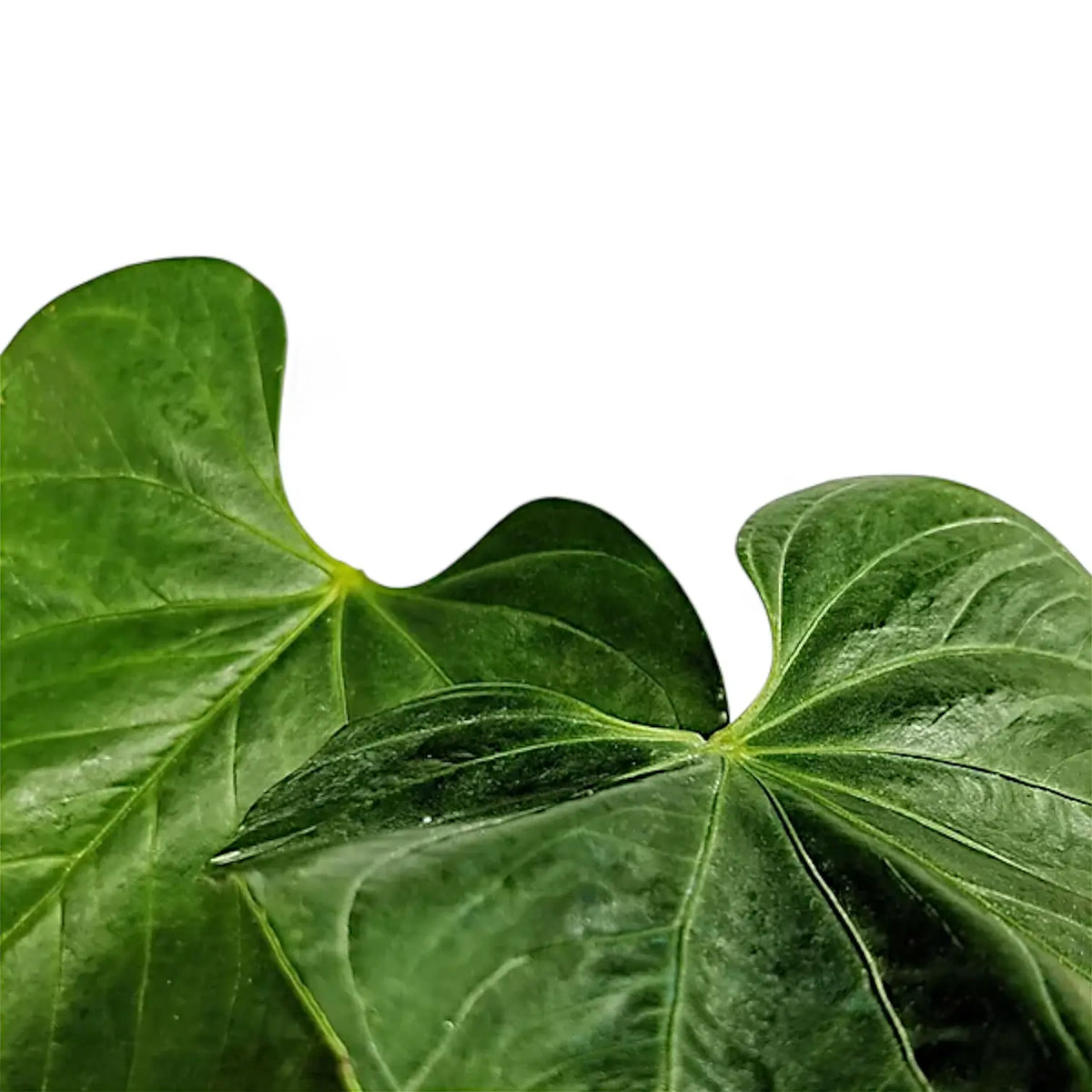
Large blades with a deeply lobed base rise on long petioles, with strong venation spreading from the petiole into the leaf. Its habit as an epiphyte or subshrub points to an airy, moisture-retentive substrate with strong drainage and open aeration around thick roots.
Large-leaf structure of Anthurium formosum
- Leaf shape: Large ovate blades with a deeply lobed base.
- Surface: Glossy green leaves with a broad, firm leaf texture.
- Root structure: Thick roots that need oxygen around them after watering.
- Growth habit: Epiphyte or subshrub from wet tropical habitat.
- Native range: Nicaragua to northwestern Venezuela.
- Indoor setup: Stable pot, open substrate, and space around the long petioles.
Roots, petioles, and spacing for Anthurium formosum
Anthurium formosum develops broad leaves and a substantial root system. The petioles lift the leaf blades away from the crown, and the thick roots need a potting mix that holds light moisture while draining quickly. A heavy, airless substrate can keep the root zone wet for too long and weaken the plant from below.
Give the leaves space as they expand. Large glossy blades can bend, tear, or mark when pushed against shelves or neighbouring pots. Turning the pot occasionally keeps growth balanced toward the light source.
Care for broad-leaf growth in Anthurium formosum
- Light: Bright filtered light gives the broad leaves strong light exposure while reducing direct-sun scorch risk.
- Watering: Water thoroughly, then let excess water drain away fully. The mix should stay lightly moist, not saturated.
- Substrate: Use a chunky, moisture-retentive aroid mix with bark, coarse fibre, and mineral aeration.
- Humidity: Higher indoor humidity helps large new leaves expand evenly.
- Temperature: Warm, stable conditions reduce the risk of cold-wet root stress.
- Pot stability: A heavier cachepot or stable nursery pot helps balance the long petioles and broad blades.
- Spacing: Keep enough room around the plant so expanding leaves and petioles do not bend against hard surfaces.
Troubleshooting Anthurium formosum
- Unstable pot: Large leaves and long petioles can shift the plant’s weight as it grows.
- Soft roots or yellowing: Usually linked to dense substrate, poor drainage, or cold wet conditions.
- Brown edges: Dry air, uneven watering, or root stress can mark the leaf margins.
- Scorch: Direct sun can leave pale or brown patches on the glossy blades.
- Mechanical damage: Broad leaves need clearance from shelves, windows, and neighbouring plants.
Pet and handling safety for Anthurium formosum
Anthurium formosum is not pet-safe. Chewed leaves or stems can cause irritation because Anthurium species contain calcium oxalate crystals. Wash hands after heavy handling if sap contacts the skin.
Botanical background of Anthurium formosum
Anthurium formosum Schott was first published in Oesterreichische Botanische Zeitschrift 8: 181 (1858). It belongs to Araceae and is native from Nicaragua to northwestern Venezuela, where it is associated with wet tropical forest conditions. The genus name Anthurium comes from Greek roots meaning flower and tail, a reference to the spadix.
A stable pot and open substrate let the thick roots, long petioles, and broad glossy leaves develop evenly indoors.
Shipping Notes
- Free Standard Shipping on $100+ Orders to the USA.
- Except Preorder products are shipped in 48 hours.
- Delivery to the USA:
- Standard Shipping : 3-10 business days
- If time is of the essence, please consider selecting expedited delivery for faster service.
Exchange/Return Notes
- We offer a 30-day return/exchange service after receiving.
- Final sale items are not eligible for returns or exchanges.
- To process your return/exchange, please contact us at [email protected]
- Please click here for more details>>> Return & Exchange Policy