Pay in installments of $7.08 with
 ,
,
 and
and

Shipping Estimate
USA
- USA
- CAN
- USA
- CAN
Ships within 48 hours · Estimated delivery Sep 23 - Sep 28
 Promo Codes Available:
For Your Every Summer RSVP, with Code: SUMMER15
Description
big succulent plants for sale Echeveria 'Big Red'Description Echeveria Big Red Care Guide FAQ Common Issues Echeveria 'Big Red' is a stunning drought tolerant succulent cultivar that belongs to the Crassulaceae family. This rosette succulent originates from the mountainous regions of Mexico, where echeverias naturally grow in rocky, well draining soils. This big red succulent forms perfect rosettes of thick, fleshy leaves that display gorgeous red and burgundy coloration along the edges. Echeveria
-
Echeveria 'Big Red' is a stunning drought tolerant succulent cultivar that belongs to the Crassulaceae family. This rosette succulent originates from the mountainous regions of Mexico, where echeverias naturally grow in rocky, well-draining soils.
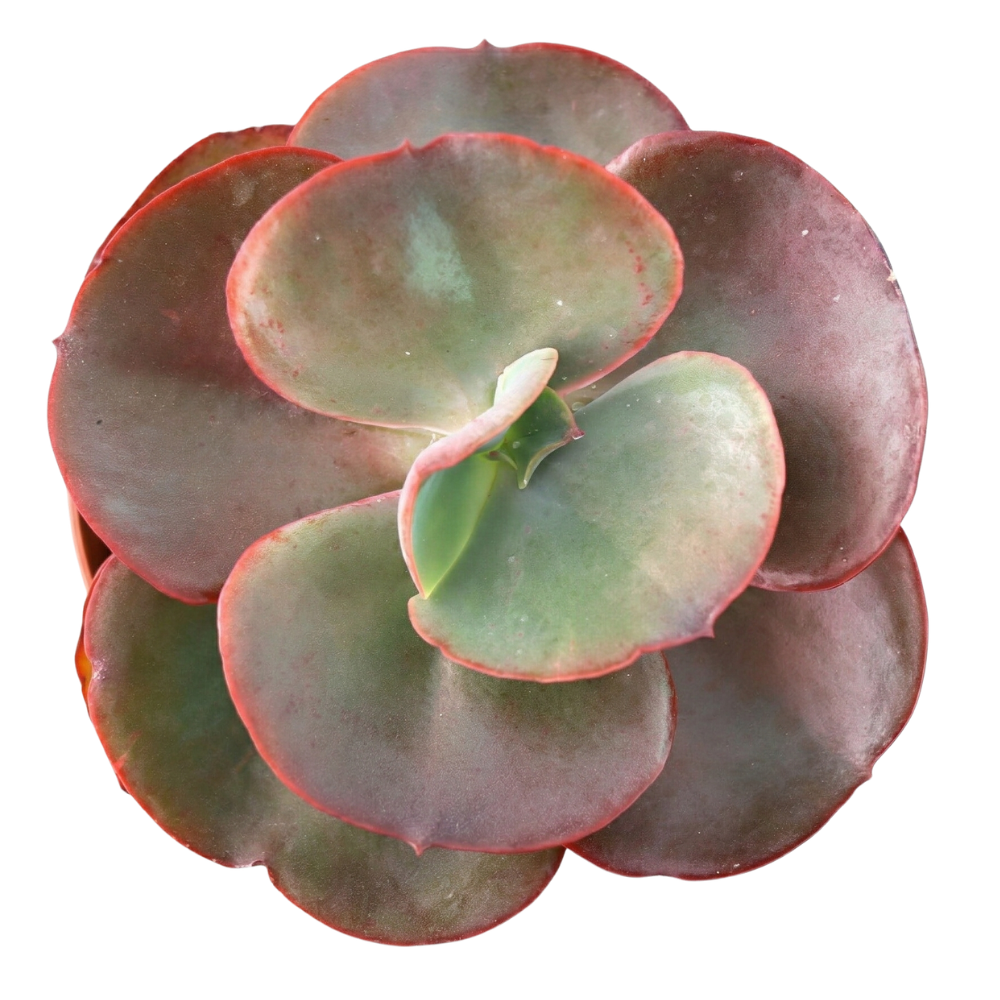
This big red succulent forms perfect rosettes of thick, fleshy leaves that display gorgeous red and burgundy coloration along the edges. Echeveria 'Big Red' features paddle-shaped leaves with a powdery coating that intensifies the dramatic red hues, especially when grown in bright light. The rosettes can reach 6-8 inches across, creating an eye-catching display with their symmetrical growth pattern and vibrant coloring.
Echeveria 'Big Red' produces tall flower stalks with bell-shaped blooms in coral-pink to orange tones during late spring and summer. The flowers emerge on arching stems that extend well above the rosette, creating a beautiful contrast against the red-tinted foliage. This air purifying plant also releases oxygen at night, making it an excellent bedroom companion.
This beginner friendly succulent thrives both indoors and outdoors, making it perfect for collectors and novice gardeners alike. Echeveria 'Big Red' can move outside for summer growing and tolerates dry heated air indoors during winter months. This pet safe succulent needs cover from rain when grown outdoors and benefits from regular rotation for even growth development.
-
Echeveria 'Big Red' thrives in bright indirect light and direct sun but scorches in intense south-facing windows.
Water Echeveria 'Big Red' deeply every 7-10 days during growing season, allowing soil to dry completely between waterings.
Echeveria 'Big Red' requires well-draining succulent soil mix with added perlite or pumice for optimal drainage.
Echeveria 'Big Red' prefers temperatures between 65-80°F (18-27°C) and cannot tolerate frost below 32°F (0°C).
Echeveria 'Big Red' grows slowly and requires minimal fertilizer, just diluted succulent food monthly during spring and summer.
Echeveria 'Big Red' thrives in USDA hardiness zones 9-11 and cannot survive frost temperatures below 32°F (0°C). This red echeveria grows successfully outdoors year-round in Florida, Hawaii, southern California, southern Texas, southern Arizona, southern Nevada, coastal Oregon, Louisiana, southern Alabama, southern Mississippi, coastal South Carolina, and coastal Georgia. Indoor cultivation allows Echeveria 'Big Red' enthusiasts in colder climates to enjoy this stunning succulent regardless of their location.
-
Q: Is Echeveria 'Big Red' safe for pets and children?
A: Yes, this plant is pet friendly and safe around cats, dogs, and children. Echeveria 'Big Red' contains no toxic compounds that would harm pets or family members.
Q: How often should I water my Echeveria 'Big Red'?
A: Water Echeveria 'Big Red' every 7-10 days during active growing season, allowing the soil to completely dry between waterings. Reduce watering frequency to every 2-3 weeks during winter dormancy.
Q: What kind of light does Echeveria 'Big Red' need indoors?
A: Echeveria 'Big Red' needs bright indirect light or direct morning sun but should be protected from intense afternoon sun. Rotate the plant regularly to prevent it from leaning toward the light source.
Q: How big does Echeveria 'Big Red' get?
A: Echeveria 'Big Red' forms rosettes that typically reach 6-8 inches across and about 4-6 inches tall. This slow-growing succulent maintains a compact, manageable size perfect for containers and small spaces.
Q: Can Echeveria 'Big Red' survive if I travel for extended periods?
A: Yes, Echeveria 'Big Red' can easily survive a 10-day trip without care due to its drought tolerant nature. This low maintenance succulent stores water in its thick leaves, making it ideal for busy lifestyles.
Q: How do I propagate Echeveria 'Big Red'?
A: Propagate Echeveria 'Big Red' by removing healthy leaf cuttings or separating offset rosettes that form around the base. Allow cut surfaces to dry for 2-3 days before placing on well-draining soil to root.
Shipping Notes
- Free Standard Shipping on $100+ Orders to the USA.
- Except Preorder products are shipped in 48 hours.
- Delivery to the USA:
- Standard Shipping : 3-10 business days
- If time is of the essence, please consider selecting expedited delivery for faster service.
Exchange/Return Notes
- We offer a 30-day return/exchange service after receiving.
- Final sale items are not eligible for returns or exchanges.
- To process your return/exchange, please contact us at [email protected]
- Please click here for more details>>> Return & Exchange Policy