Pay in installments of $6.20 with
 ,
,
 and
and

Shipping Estimate
USA
- USA
- CAN
- USA
- CAN
Ships within 48 hours · Estimated delivery Oct 3 - Oct 8
 Promo Codes Available:
For Your Every Summer RSVP, with Code: SUMMER15
Description
wandering jew spider plant Shop 'Nanouk Pink Wandering Jew 'Tradescantia Nanouk' Care and InfoIntroducing the Nanouk pink wandering Jew plant, known as Tradescantia Nanouk, which is a very popular hanging plant. It is also known as the wandering jew Nanouk, Tradescantia albiflora nanouk, spiderwort Nanouk, and Fantasy Venice plant. The wandering jew is a name for several plants in the Tradescantia genus, considered invasive in some regions but suitable for vining indoor plant collections due to their similar growing characteristics. The lush
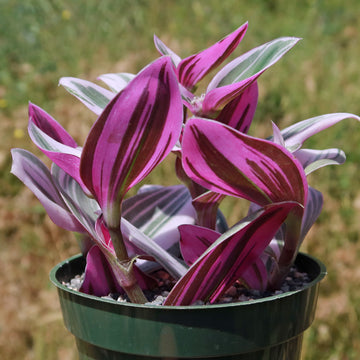
Introducing the Nanouk pink wandering Jew plant, known as Tradescantia Nanouk, which is a very popular hanging plant. It is also known as the wandering jew Nanouk, Tradescantia albiflora nanouk, spiderwort Nanouk, and Fantasy Venice plant.
The wandering jew is a name for several plants in the Tradescantia genus, considered invasive in some regions but suitable for vining indoor plant collections due to their similar growing characteristics.
The lush leaves of Nanouk Tradescantia are adorned with beautiful pink, white, purple, and green stripes that create an eye-catching pattern, it looks stunning standing upright, just wait until you see it trailing gracefully like ivy.
Hailing from South Africa, this low-maintenance Tradescantia Nanouk wandering jew can grow up to 6 inches tall and 24 inches long.
The tradescantia Nanouk hanging plant grows quickly and vigorously.
Thanks to its patented development by Dutch cultivators in 2012, who wanted to create a more robust Tradescantia with showier blooms.
The Tradescantia Nanouk flowers bloom during the growing season with small white and yellow flowers that bloom from the pink buds. These delicate flowers add a beautiful contrast to the vibrant pink and green leaves of the plant. The blooms attract pollinators, such as bees and butterflies, to the garden.
Propagation of the Tradescantia Nanouk can be done through stem cuttings. Simply cut a healthy stem with at least one node and place it in water or soil to root. Remember to propagate Tradescantia nanouk; always keep the cuttings in a warm, bright location with indirect sunlight to encourage growth. Trim or pinch back leggy or overgrown stems to encourage bushier growth and maintain the plant's shape.
Watering Needs
Often, people worry they aren't giving their plants enough water when in reality they are over-watering them. This is especially the case with Tradescantia Nanouk as they don't do well in moist soil which can result in root rot and yellowing or browning of the leaves
In the spring and summer, during the growing season, it is important to keep the soil consistently moist but not waterlogged, while in the dormant season, watering should be reduced to prevent root rot.
Besides hydrating correctly, it's also crucial to ensure that the potting soil drains quickly to avoid damaging the perennial plant roots. As drought-tolerant plants, the wandering Jew can thrive with less frequent watering and if you forget to water them for a month or more, they will probably survive just fine.
Remember, it's best to wait until the top two inches of soil are completely dry before watering. Watch out for signs of dehydration such as a pale discoloration and shriveled stem indicating that the Nanouk plant is consuming its interior water supply.
Light Requirements
When growing indoors, this rare Nanouk pink wandering jew plant loves bright, indirect light. It can tolerate lower light conditions, but its colors might not be as vibrant. So, placing it near a window with filtered light would be perfect.
When growing outdoors, your Tradescantia Nanouk thrives in a bright location that receives at least 4-6 hours of bright, indirect light. So, finding a spot with some sun in the morning or afternoon would be great. Just make sure it's not exposed to direct sunlight for long periods, as that can scorch its leaves. It's also important to protect it from harsh winds and extreme temperatures.
If your Nanouk Tradescantia plant is getting too much light, the leaves may turn brown or yellow. If they don't receive enough light, their stems may grow leggy and become paler or lose their variegation; so, make your Nanouk plant happy and give it plenty of light.
Optimal Soil & Fertilizer Needs
The Tradescantia Nanouk likes very airy, porous, nutrient-rich dense soil with a pH of 5.6- 6.5. This Nanouk plant requires well-draining potting mix that dries completely between waterings. Your soil must have a sandy texture and a low water-holding capacity, just like desert soil. Soggy wet soil can damage your plant and contribute to bacterial and fungal rot. In addition, because of a lack of oxygen, soggy soil substitutes air pockets with water, resulting in an anaerobic environment that can kill your Nanouk Tradescantia.
As an alternative, you can create your own potting mix by combining equal portions of perlite, coarse sand, and good natural potting soil. Ideally, you want to use our specialized potting mix that contains organic mycorrhizae to promote the development of a strong root system that helps your wandering Jew to thrive.
Natural fertilizers with an equal mixture of NPK (5-10-5) also last longer and keep your soil alive by adding other beneficial compounds and microbes that encourage Nanouk plant health and nutrient absorption. So, skip those harsh chemicals and give your Tradescantia some love with some awesome natural fertilizer!
Hardiness Zones & More
When growing indoors, the Tradescantia Nanouk is generally comfortable in typical indoor temperatures between 60-75°F. Just make sure to keep it away from drafts or extreme temperature fluctuations.
If you are growing your Tradescantia Nanouk outdoors, it is well-suited in USDA hardiness zones 9-12. These zones have milder climates with minimum temperatures ranging from 20-40°F. If you live in a colder region, you can still enjoy this plant outdoors during the warmer months, but it's best to bring it inside when the temperature drops.
Additionally, the Tradescantia Nanouk wandering jew appreciates moderate to high humidity levels. Indoor environments can often be dry, especially during winter when the heating is on. To provide some extra humidity, you can place a tray of water near the plant or use a humidifier. Outdoors, the plant can handle average humidity levels without any issues.
Final Thoughts
Overall, the Tradescantia Nanouk is a stunning houseplant with vibrant, colorful leaves that add a pop of beauty to any indoor space. It's a relatively easy plant to care for, making it perfect for both beginner and experienced plant enthusiasts. Just remember to place it in bright, indirect light indoors and provide it with slightly moist soil. Outdoors, it thrives in partial shade and mild temperatures. Keep an eye on its watering needs and provide some extra humidity if necessary. With a little love and attention, Tradescantia Nanouk will reward you with its gorgeous foliage. Enjoy your plant journey!
Be sure to add 'Tradescantia albiflora Nanouk' to your home or garden and enjoy its low maintenance care, while admiring its impressive display year after year.
Shipping Notes
- Free Standard Shipping on $100+ Orders to the USA.
- Except Preorder products are shipped in 48 hours.
- Delivery to the USA:
- Standard Shipping : 3-10 business days
- If time is of the essence, please consider selecting expedited delivery for faster service.
Exchange/Return Notes
- We offer a 30-day return/exchange service after receiving.
- Final sale items are not eligible for returns or exchanges.
- To process your return/exchange, please contact us at [email protected]
- Please click here for more details>>> Return & Exchange Policy