Pay in installments of $6.73 with
 ,
,
 and
and

Shipping Estimate
USA
- USA
- CAN
- USA
- CAN
Ships within 48 hours · Estimated delivery Oct 6 - Oct 11
 Promo Codes Available:
For Your Every Summer RSVP, with Code: SUMMER15
Description
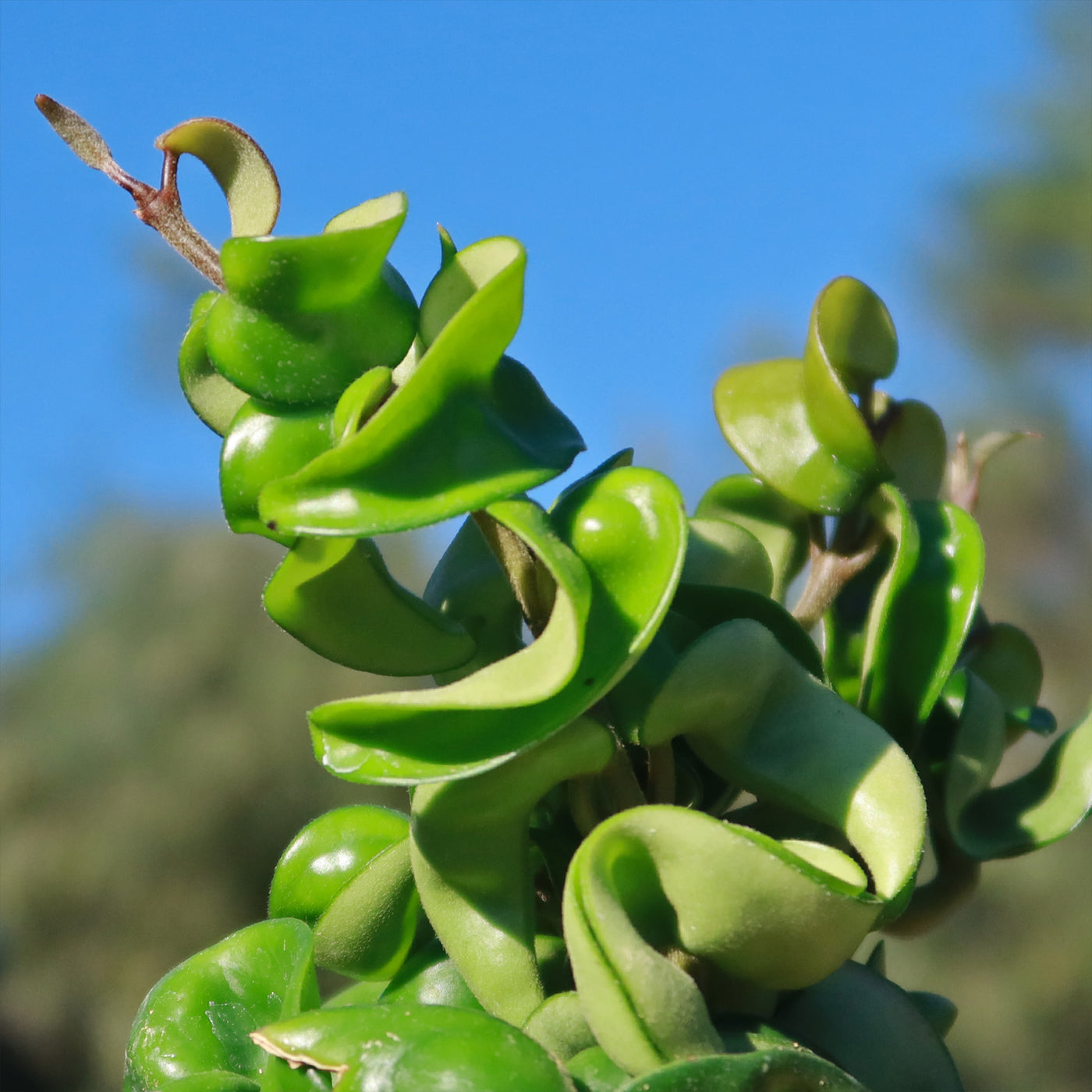
is a hindu rope plant a succulent Buy 'Hindu Rope Plant - Hoya compacta'The Hindu Rope Plant, also known as Hoya carnosa compacta, is a curly version of the Hoya carnosa. One of the most striking features of the Hindu Rope Plant is its thick, waxy, and curly leaves, which give it a unique appearance. The leaves of this curly hoya plant are often twisted or contorted, resembling a rope or even a curly ponytail, hence the name "Hindu Rope Plant." It is also known as the Porcelain flower, krinkle kurl, and the wax plant. The
The Hindu Rope Plant, also known as Hoya carnosa compacta, is a curly version of the Hoya carnosa. One of the most striking features of the Hindu Rope Plant is its thick, waxy, and curly leaves, which give it a unique appearance.
The leaves of this curly hoya plant are often twisted or contorted, resembling a rope or even a curly ponytail, hence the name "Hindu Rope Plant." It is also known as the Porcelain flower, krinkle kurl, and the wax plant.
The Hindu rope plant is a unique and fascinating succulent plant with a trailing growth habit, which means its 15-inch-long, slender stems will cascade or hang down as it grows. This trailing growth habit makes it a popular choice for hanging baskets or trailing down from shelves.
Native to the regions of Eastern Asia, including India, China, and parts of Southeast Asia, the Hindu rope plants thrive in warm and tropical climates, which is why they're often found in those areas. Its natural habitat consists of forests and rocky areas where it can grow and trail along trees or rocks.
The Hindu Rope Plant Flowers Beauty—Star Shaped Blooms
The flowers of the Hindu Rope Plant usually appear during the warmer months, often in late spring or early summer. The Hindu Rope Plant produces clusters of small, star-shaped flowers that are typically creamy white or light pink in color.
These delicate blooms have a sweet fragrance that can fill the air, adding a touch of beauty and aroma to any space where the plant is grown.
The clusters of blooms can emerge from the ends of the curly stems, creating a lovely contrast against the dark green leaves.
To encourage your Hindu Rope Plant to bloom, ensure it receives enough bright indirect light, maintains a consistent temperature of ideally between 65-80°F, and maintains average indoor humidity. It's worth noting that the Hindu Rope Plant may take a few years to mature and start flowering. So, patience is key when it comes to enjoying its blossoms. But once they appear, they can be a delightful sight and a reward for your Hoya rope plant's care and attention.
According to the ASPCA, the Hindu Rope Plant is non-toxic to cats and dogs. You can have this beautiful, friendly plant in your home without worrying about any harm to your pets. It's always a good idea to ensure the safety of our pets by choosing pet-friendly plants.
Watering Needs
When it comes to Hindu hoya rope plant care, it's important to find the right balance. Like other succulentsGo to succulents, the Hoya Compacta has the ability to store water in its leaves and stems. This makes it more tolerant of drought conditions compared to other houseplants. So, it's best to let the soil dry out between waterings. Overwatering can cause root rot and other issues.
A good watering routine for the Hoya Compacta is to thoroughly water it and then allow the top inch or so of the soil to dry out before watering again. This will help prevent overwatering and promote healthy root growth. It's important to note that the frequency of watering may vary depending on factors like temperature, humidity, and the size of the pot.
During the growing season, which is typically spring and summer, the hoya Indian rope plant may require more frequent watering. However, during the winter months, when the Hoya Hindu rope plant is in its dormant phase, you can reduce the frequency of watering. Just make sure not to let the soil completely dry out for extended periods.
Remember, it's always a good idea to check the moisture level of the soil before watering. Stick your finger about an inch into the soil, and if it feels dry, it's time to water. And don't forget, like most succulents, the Hoya Compacta prefers well-draining soil to prevent waterlogged roots.
Light Requirements
The Hoya compacta Hindu rope plant thrives in bright, indirect light. It loves a spot near a window where it can receive plenty of filtered sunlight throughout the day. However, it's important to protect your Hindu rope plant from direct sunlight, as the intense rays can scorch its delicate leaves. So, a spot with bright, indirect light is ideal.
If you notice that your Hoya Rope Plant is not getting enough light, you might see its growth slow down, and the leaves may become smaller and more spaced out. On the other hand, if it's exposed to too much direct sunlight, the leaves may develop sunburn spots or even turn yellow. So, finding the right balance is key.
If you don't have a bright spot near a window, you can also use artificial light sources, like fluorescent or grow lights, to provide the necessary light for your Hoya Compacta. Just make sure to keep the light source at an appropriate distance from the Hindu rope plant to avoid burning the leaves.
Remember, the rope plant is a tropical plant that naturally grows in the understory of forests, so it prefers bright, indirect light rather than direct sunlight. By providing it with the right lighting conditions, you'll help it thrive and showcase its beautiful trailing vines.
Optimal Soil & Fertilizer Needs
When it comes to soil, the Hindu rope plants prefer a well-draining mix. A combination of regular potting soil, perlite, and orchid bark or coconut coir works well for your Hindu rope plant. This type of soil mixture allows excess water to drain away, preventing the roots from becoming waterlogged. It's important to avoid using heavy or compacted soils, as they can lead to root rot. Ideally, you want to use our specialized succulent potting mix that contains 5 natural substrates and organic mycorrhizae to promote the development of a strong root system that helps your Hoya compacta succulent to thrive.
As for fertilizer, the Hindu Rope Plant doesn't require a lot of feeding. During the growing season, which typically happens in spring, you can use a balanced (5-10-5), water-soluble NPK fertilizer. Feed your Hoya plant once a year to provide it with the necessary nutrients. During the dormant period in fall and winter, you can reduce or even stop fertilizing altogether since the Hoya compacta plant's growth slows down during this time. Remember to always follow the instructions and avoid over-fertilizing, as it can cause harm to your Hindu rope plant.
Additionally, it's worth mentioning that the Hoya Rope Plant is known for its ability to thrive in nutrient-poor environments. So, while it appreciates some occasional feeding, it can also do well in soil with fewer nutrients. Just make sure to maintain good drainage and provide it with the right amount of light and water.
Hardiness Zone & More
When growing indoors, the Hindu Rope Plant prefers a warm and consistent environment. Ideally, it thrives in temperatures between 60°F and 85°F. The Hoya compacta enjoys warmth and can tolerate slightly higher temperatures, but it's important to avoid exposing it to extreme heat or cold. Keep in mind that sudden temperature fluctuations or drafts can stress the Indian rope plant, so try to provide it with a stable and comfortable environment.
When growing the Hindu Rope Plant outdoors, it is generally recommended for USDA zones 10-12, which are warm and tropical regions. In these zones, the rope hoya plant can be grown outdoors and enjoy the natural sunlight and warmth. However, if you live in a colder climate, it's best to keep the Hindu rope plant indoors or in a controlled environment, like a greenhouse, to protect it from frost and freezing temperatures.
In terms of humidity, the Hindu rope plants appreciate moderate to high humidity levels. They are native to tropical regions, where humidity tends to be higher. To create a suitable environment for your Hoya Hindu rope plant, you can mist its leaves regularly or place a humidifier nearby. Another trick is to group your plants together, as they release moisture through transpiration, creating a slightly more humid microclimate. Just be sure not to overdo it, as excessive moisture can lead to fungal issues.
Propagating Hindu Rope Plant
Propagating the Hindu Rope Plant can be done through stem cuttings. To propagate this lovely Rope plant, you can take a healthy stem cutting, about 4-6 inches long, from the parent plant. It's best to choose a stem that is not flowering and has a few sets of leaves. Once you have your cutting, you can let it dry for a day or two to form a callus, which helps prevent rotting.
After the cutting has calloused, you can place your Hoya compacta in a well-draining potting mix, making sure to bury it about an inch deep. Keep the soil lightly moist but not overly wet, as the cutting may rot if it sits in waterlogged soil. It's also a good idea to provide the cutting with bright, indirect light to encourage root growth.
With some patience and Hindu rope hoya care, the cutting should develop roots within a few weeks to a couple of months. Once the roots are well-established, you can treat it like a mature Hindu Rope Plant and continue to care for the Hindu rope plant accordingly.
The Bottom Line
Overall, the Hindu Rope Plant (Hoya carnosa compacta) is a super cool and unique trailing plant that can jazz up any space. With its twisted and cascading vines, it's like having a living work of art in your home or office. Taking care of this Hoya Hindu rope plant is pretty straightforward. It likes bright, indirect light, well-draining soil, and a warm and cozy environment. And get this; it's pretty tough too! It can go without water for a while and still bounce back. Plus, if you want to expand your hoya plant family or share the love with others, you can propagate it through stem cuttings. It's a low-maintenance plant that brings a whole lot of beauty and charm. So, if you're looking for a Hindu rope plant for sale – Planet Desert is a perfect choice.
Shipping Notes
- Free Standard Shipping on $100+ Orders to the USA.
- Except Preorder products are shipped in 48 hours.
- Delivery to the USA:
- Standard Shipping : 3-10 business days
- If time is of the essence, please consider selecting expedited delivery for faster service.
Exchange/Return Notes
- We offer a 30-day return/exchange service after receiving.
- Final sale items are not eligible for returns or exchanges.
- To process your return/exchange, please contact us at [email protected]
- Please click here for more details>>> Return & Exchange Policy