Pay in installments of $5.48 with
 ,
,
 and
and

Shipping Estimate
USA
- USA
- CAN
- USA
- CAN
Ships within 48 hours · Estimated delivery Sep 23 - Sep 28
 Promo Codes Available:
For Your Every Summer RSVP, with Code: SUMMER15
Description
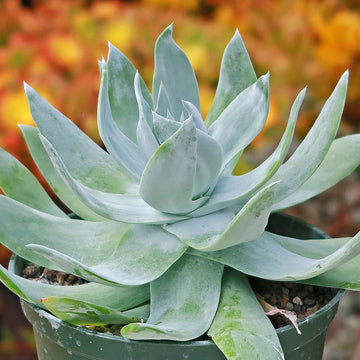
dudleya succulents Giant Chalk Dudleya ‘Dudleya brittonii’Introducing the Dudleya brittonii, commonly known as the Giant Chalk Dudleya or chalk lifeforever, an award winning plant that belongs to the genus Dudleya. Native to the Baja California Peninsula in Mexico, it is named after William E. Britton, an American botanist who extensively studied and documented the flora of Baja California. This unique Dudleya species is also called "Giant Chalk Dudleya" due to its large size and the chalky appearance of its
Introducing the Dudleya brittonii, commonly known as the Giant Chalk Dudleya or chalk lifeforever, an award-winning plant that belongs to the genus Dudleya.
Native to the Baja California Peninsula in Mexico, it is named after William E. Britton, an American botanist who extensively studied and documented the flora of Baja California.
This unique Dudleya species is also called "Giant Chalk Dudleya" due to its large size and the chalky appearance of its leaves.
One of the standout features of Dudleya brittonii is its impressive mature size.
It can grow up to 2 feet tall, with a rosette of thick, fleshy leaves that can reach 18 inches in diameter.
At first, the rosette grows alone, but then it forms groups of 2 to 10 rosettes.
The leaves are typically pale green or grayish blue in color and have a chalky texture and often with reddish tips, which gives them a distinct and eye-catching appearance.
The flowers of Dudleya brittonii, bloom during the spring to early summer with tall, slender flower stalks that can reach up to 3 feet in height. At the top of these stalks, there are clusters of small, urn-shaped pale-yellow flowers. These Dudleya brittonii flowers attract pollinators like bees and butterflies, adding to the plant's beauty and ecological value.
When it comes to propagation, Dudleya brittonii can be propagated from leaf cuttings, seeds, or offsets. Seeds can be collected from the plant's dried flower stalks and sown in well-draining soil. It's important to note that Dudleya species are slow-growing, so patience is key when propagating from seeds. Alternatively, offsets, also known as "pups," can be gently separated from the mother plant and replanted to establish new individuals.
Watering Needs
As a desert plant, your Dudleya brittonii is adapted to dry conditions and prefers infrequent watering. While underwatering can cause the plant to become dehydrated, overwatering can result in root rot and other problems. The key is to provide enough water without letting the soil become waterlogged.
In the spring, during the active growing season, you can water Dudleya brittonii about once every two weeks. However, it's essential to adjust the frequency based on environmental factors such as temperature and humidity. You might need to water more frequently in extremely hot and dry weather. When watering during the summer dormancy, make sure to thoroughly soak the soil around the base of the plant. Allow the water to fully drain out of the pot or the soil before watering again.
In the winter, this Dudleya succulent requires less water. You can reduce the frequency to once every three to four weeks. It's crucial to avoid water accumulation in the plant's rosette, as this can lead to rot or fungal diseases.
Light Requirements
When growing Dudleya brittonii indoors, it's important to mimic its natural habitat as closely as possible. This Dudleya plant thrives in bright, indirect light. Place it near a window that receives plenty of sunlight, but make sure to protect it from direct, harsh sunlight that can scorch its leaves. A south or east-facing window is usually ideal for providing the right amount of light.
If you notice that your Dudleya succulent is stretching or leaning towards the light, it may be an indication that it's not receiving enough sunlight. In that case, you can consider providing supplemental grow lights to ensure it gets the right amount of light intensity.
When growing Dudleya brittonii outdoors, it generally prefers full sun to partial shade. In its natural habitat, it thrives in coastal areas with bright sunlight exposure. If you're planning to grow it outdoors, choose a location that receives at least 4-6 hours of direct sunlight per day. This will help the plant maintain its compact and vibrant growth.
However, it's important to note that Dudleya can be sensitive to intense heat, especially in hotter climates. If you live in an area with scorching summers, providing some afternoon shade or protection from the hottest part of the day can help prevent leaf burn and keep the plant happy.
Remember, as with any plant, it's essential to observe your Dudleya brittonii and adjust its light exposure accordingly. If you notice signs of sunburn or leaf discoloration, it may be an indication that the plant is receiving too much direct sunlight. On the other hand, if the leaves appear pale or elongated, it may be a sign that it needs more light.
Optimal Soil & Fertilizer Needs
When it comes to soil, Dudleya brittonii thrives in well-drained rock gardens that replicate its natural habitat. A sandy or rocky soil mix works best for this plant. Making sure that there isn't an excessive amount of moisture in the soil is crucial because this can cause root rot and other problems. Adding perlite or pumice to the soil mix can help improve drainage and prevent waterlogged conditions. Instead, make or buy a well-draining potting mix, or ideally use our Go to Soil cactus mix blend 1 gal 4 qt cacti succulent dirt compost growing media that contains 5 natural substrates and mycorrhizae to promote the development of a strong root system that helps your dudleya succulent to thrive.
In terms of fertilizer, Dudleya brittonii is a low-maintenance plant that doesn't require frequent fertilization. In fact, excessive fertilization can be harmful to its growth. It's generally recommended to avoid using heavy fertilizers or those high in nitrogen, as this can cause the plant to become leggy or disrupt its natural balance.
Instead, a light application of a balanced (5-10-5), slow-release NPK fertilizer, once a year in the spring can provide a gentle nutrient boost. Remember, less is more when it comes to fertilizing these gorgeous plants, so it's better to err on the side of caution and apply sparingly.
Additionally, incorporating organic matter into the soil during planting can help improve its overall fertility and provide some natural nutrients for the plant. Compost or well-rotted manure can be mixed into the soil to enhance its organic content.
Hardiness Zones & More
Native to the coastal regions of southern California, where it enjoys a mild Mediterranean climate. When growing indoors, Dudleya brittonii prefers a temperature range that mimics its natural habitat. It thrives in average room temperatures between 65°F to 75°F. It's important to keep the plant away from drafts or extreme temperature fluctuations, as it can be sensitive to sudden changes.
For outdoor cultivation, this Dudleya plant is typically hardy in USDA zones 9 to 12. In these zones, Dudleya brittonii can be grown outdoors year-round, as it can tolerate mild winter temperatures and warm summers. However, it's important to note that the plant may need some protection during extreme heatwaves or frosty conditions. Providing some shade during scorching summers or using frost cloth during cold snaps can help safeguard its well-being.
In regions with colder climates outside the recommended hardiness zones, Dudleya brittonii can still be grown as a beautiful indoor plant. Just make sure to provide it with adequate sunlight and maintain the recommended indoor temperature range.
As for humidity, Dudleya brittonii is well-suited to arid environments and doesn't require high humidity levels. In fact, it prefers drier conditions and can be prone to fungal issues if exposed to excessive moisture. Aim for a humidity level of around 30% to 50%, which is typical of most indoor environments.
Final Thoughts
Overall, the Dudleya brittonii (Giant Chalk Dudleya) is an award-winning succulent plant native to Mexico. With its impressive mature size, chalky leaves, and vibrant pale-yellow flowers, it's no wonder this Dudleya species has gained recognition and admiration among succulent enthusiasts. To care for Dudleya brittonii, provide it with well-drained soil, plenty of sunlight, and protection from excessive moisture. With its unique beauty and relatively low maintenance needs, this succulent is a great choice for both experienced collectors and those new to the world of succulents.
We think you will love this plant – order your very own Dudleya brittonii Giant chalk dudleya today and start enjoying its beauty in no time!
Shipping Notes
- Free Standard Shipping on $100+ Orders to the USA.
- Except Preorder products are shipped in 48 hours.
- Delivery to the USA:
- Standard Shipping : 3-10 business days
- If time is of the essence, please consider selecting expedited delivery for faster service.
Exchange/Return Notes
- We offer a 30-day return/exchange service after receiving.
- Final sale items are not eligible for returns or exchanges.
- To process your return/exchange, please contact us at [email protected]
- Please click here for more details>>> Return & Exchange Policy