Pay in installments of $6.34 with
 ,
,
 and
and

Shipping Estimate
USA
- USA
- CAN
- USA
- CAN
Ships within 48 hours · Estimated delivery Sep 21 - Sep 26
 Promo Codes Available:
For Your Every Summer RSVP, with Code: SUMMER15
Description
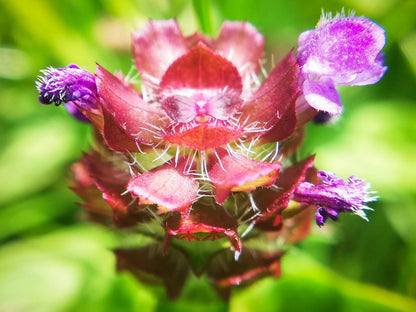
plant and heal seeds Self Heal Herb Seeds(Prunella vulgaris) Whether youre looking to add beauty to your garden, attract pollinators, or have a readily available heirloom medicinal herb, Heal All, or Self Heal, is an excellent choice. Perfect for meadow gardens or as a ground cover for shady areas, forming dense, lush green mats and being incredibly easy to grow, making it ideal for beginner gardeners. This native plant, with its beautiful blue violet flowers, is not only a delight to the
(Prunella vulgaris) Whether you’re looking to add beauty to your garden, attract pollinators, or have a readily available heirloom medicinal herb, Heal-All, or Self-Heal, is an excellent choice. Perfect for meadow gardens or as a ground cover for shady areas, forming dense, lush green mats and being incredibly easy to grow, making it ideal for beginner gardeners. This native plant, with its beautiful blue-violet flowers, is not only a delight to the eyes but also a valuable resource for bees, which flock to its nectar-rich blooms.
This semi-evergreen perennial thrives in moist shade but also tolerates sun and drought once established, requiring minimal aftercare and resisting deer and rabbits.
Growing up to 12-24 inches tall and spreading 6-9 inches wide, Prunella vulgaris adapts well to various soil types and conditions. It flourishes in grasslands, meadows, and even lawns, making it a versatile addition to any garden. Whether planted under trees or in open spaces, this hardy herb will thrive, offering both aesthetic appeal and practical benefits for any home gardener.
• Scroll down for detailed growing info •
All Nimble NiteCap Seeds are:
• Heirloom
• Organic
• Non-GMO
• Open Pollinated
• Untreated
• US Grown
• growing instructions included
• Regular testing is conducted to uphold the highest germination standards, all the while employing appropriate seed storage techniques.
Sustainable Packaging & Shipping:
• NimbleNitecap seeds are packed in eco-friendly, compostable seed packets. Seed packets are printed in house with vegetable-based inks on biodegradable, recycled materials. (Small plastic bags are infrequently used to prevent the loss of very small seeds.)
• All orders are carefully packed and shipped with tracking via USPS First Class (or Priority, if selected) in padded ECOENCLOSE recycled and reusable mailers, or recycled boxes to protect your items in transit.
Most orders ship out the same or next business day! Please note that this time may be extended during peak season.
• FREE SHIPPING on all orders of $35 or more. Flat Rate shipping no matter how many packets you order.
• DIRECTIONS •
Common Names: Self-Heal, Heart-of-the-earth
Latin Name: Prunella vulgaris
Type: Native Wildflowers
Life Cycle: Perennial
USDA Zones: 2 - 12
Stratification: Cold/Wet for 4 Weeks
Germination Ease: Stratify 4 Weeks
Sunlight: Sun to Partial Shade, In hotter climates, some shade may be beneficial to prevent the soil from drying out too quickly.
Moisture: Prefers moist conditions, especially when young. It can tolerate drought once established.
Soil: Prefers well-draining soil rich in organic matter, with a pH between 5.5 and 7.5. However, it can adapt to various soil types.
Height: 4-20 in
Spread: 8-12 in
Color: Purple
Bloom Season: Blooms Early Summer, Blooms Late Summer
~ sowing ~
Before planting Prunella vulgaris (self-heal) seeds, it is crucial to understand the ideal conditions for optimal growth:
Stratification:
To improve germination rates, stratify the seeds by placing them in a damp paper towel, sealing them in a plastic bag, and refrigerating them for 2-4 weeks.
Starting Seeds Indoors:
Timing:
Start seeds indoors about 6-8 weeks before the last expected frost date in your area.
Containers:
Use seed trays or small pots filled with a light, well-draining potting mix.
Sowing:
Sprinkle the seeds on the surface of the soil and lightly press them in. Do not cover the seeds, as they need light to germinate.
Watering:
Mist the soil gently to moisten it, ensuring it's consistently moist but not waterlogged.
Light and Temperature:
Place the seed trays in a bright location with temperatures around 65-70°F (18-21°C). Use a grow light if necessary.
Germination:
Seeds should germinate within 2-4 weeks. Keep the soil consistently moist during this period.
Transplanting Seedlings Outdoors
Timing:
Once the seedlings have developed a few sets of true leaves and the risk of frost has passed, they can be transplanted outdoors.
Location:
Choose a spot in your garden with well-draining soil and partial to full sun.
Spacing:
Space the plants about 12-18 inches apart to allow for proper growth.
Transplanting:
Dig holes large enough to accommodate the root balls of your seedlings. Gently remove the seedlings from their containers, taking care not to damage the roots, and transplant them into the garden. Water well after planting.
Caring for Prunella vulgaris Plants
Watering:
Keep the soil consistently moist, especially during dry periods. Water the plants deeply once or twice a week, depending on the weather and soil conditions.
Fertilizing:
Prunella vulgaris doesn’t require heavy feeding. A light application of compost or a balanced organic fertilizer in the spring should be sufficient to support its growth.
Mulching:
Apply a layer of mulch around the plants to help retain moisture and suppress weeds.
Pest and Disease Management:
Prunella vulgaris is generally pest-resistant, but it’s still important to monitor for common garden pests like aphids and caterpillars. If you notice any pests, treat them with insecticidal soap or neem oil. Ensure good air circulation around the plants to prevent fungal diseases.
Maintenance:
Prunella vulgaris can be mowed or trimmed back after flowering to encourage new growth and maintain a tidy appearance.
Harvesting Prunella vulgaris
When to Harvest:
The best time to harvest is when the plant is in full bloom, usually from late spring to early summer.
How to Harvest:
Use sharp scissors or pruning shears to cut the stems just above a set of leaves. This will encourage the plant to produce more growth. Avoid cutting more than one-third of the plant at a time to ensure it remains healthy.
Drying and Storing:
Spread the harvested stems on a clean, dry surface in a well-ventilated area, away from direct sunlight. Allow them to dry completely, which can take several days to a week. Once dried, strip the leaves and flowers from the stems and store them in an airtight container in a cool, dark place.
~ seed saving ~
The flower spike will turn brown and dry while the seeds begin to form. Watch the plant carefully, since the seeds will soon blow away with the wind. Shake the ripe brown heads over a container to remove the seed. Store the heal all seeds in a cool, dry place.
Edible Uses:
Leaves are edible raw or cooked. Wash well first to remove some of the bitter tannins in the leaves. They can be used in salads for a little extra bite. Good in casseroles, soups and stews. An interesting tea can be produced from fresh or dried leaves making a refreshing beverage. The leaves are at their best when harvested in mid-summer.
Other Uses:
An olive green dye is obtained from the stems and flowers.
Forage for Pollinators:
Prunella vulgaris produces nectar very freely and is pollinated by bees. It is very attractive to Honeybees and Bumblebees, and probably Solitary bees.
Origin:
Prunella vulgaris is a perennial plant native to Europe but can also be found growing in parts of Asia and the Unites States. In open and exposed situations, the plant is diminutive, while in more sheltered spots it is larger in all its parts. Habitats include moist to mesic black soil prairies, alongside rivers and lakes, meadows, thickets, forest openings, woodland borders, pastures, and abandoned fields.
In addition to being very well known as Self Heal, Prunella vulgaris has many other common and local names:
Square stem, Thimble flower, Sickle-heal, Sicklewort, Slough-heal, Hookweed, Panay, Proud carpenter, Herb carpenter, Hercules' all-heal, Hook-heal, Carpenter's herb, Heart of the earth, Brunel, Caravaun bog, Carpenter grass, Blue curls, Brownwort, Heal-all, All-heal, Bumble-bees, Herb, Fly Flowers, Heart of the Earth, Hook-heal, London Bottles, Pick Pocket, Pimpernel, Prince's Feather.
Shipping Notes
- Free Standard Shipping on $100+ Orders to the USA.
- Except Preorder products are shipped in 48 hours.
- Delivery to the USA:
- Standard Shipping : 3-10 business days
- If time is of the essence, please consider selecting expedited delivery for faster service.
Exchange/Return Notes
- We offer a 30-day return/exchange service after receiving.
- Final sale items are not eligible for returns or exchanges.
- To process your return/exchange, please contact us at [email protected]
- Please click here for more details>>> Return & Exchange Policy