Pay in installments of $5.16 with
 ,
,
 and
and

Shipping Estimate
USA
- USA
- CAN
- USA
- CAN
Ships within 48 hours · Estimated delivery Sep 22 - Sep 27
 Promo Codes Available:
For Your Every Summer RSVP, with Code: SUMMER15
Description
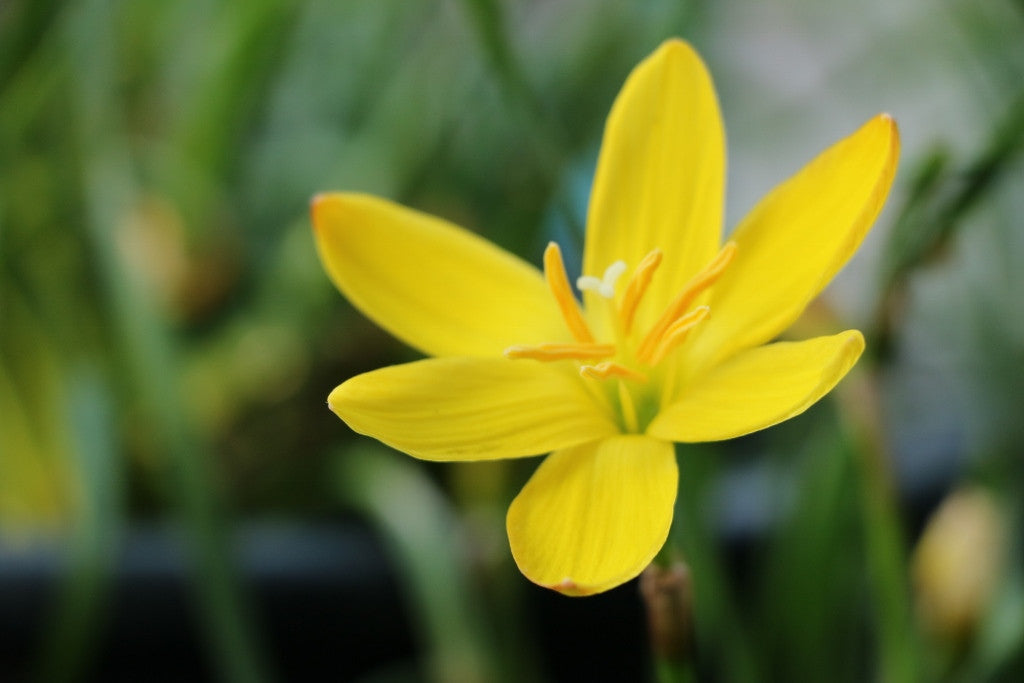
rain lily flower images Zephyranthes citrina 'Yellow Rain Lilies'The yellow rain lily bulb is one of the easiest bulbs to grow in the south. It endures the weather well from hot dry summers to unexpected cold weather in the south. It does best planted in the ground in zones 7 10. We often see Zephyranthes citrina blooming in Houston and other areas along the Gulf Coast, such as St. Petersburg, Florida. One of the first places I remember seeing them bloom was in the historic neighborhood of The Heights in Houston.
The yellow rain lily bulb is one of the easiest bulbs to grow in the south. It endures the weather well from hot dry summers to unexpected cold weather in the south. It does best planted in the ground in zones 7-10. We often see Zephyranthes citrina blooming in Houston and other areas along the Gulf Coast, such as St. Petersburg, Florida. One of the first places I remember seeing them bloom was in the historic neighborhood of The Heights in Houston. That is appropriate, as many of those homes have gardens that date back to the early 1900s! Once established in the garden, you will soon have an overabundance.
The Zephyranthes citrina can really put on a show in hot summer months, especially August to October, when other flowers are wilting from the heat. The deep yellow showy displays make great borders easily seen from afar. These special bulbs are uniquely suited for warm climates and require virtually no maintenance.
Blooms: The joyful silver-dollar-sized blooms open wide bloom from summer through fall, usually following a rain. Summer thundershowers, with their splash of water and quick cooling of temperatures, trigger massive blooms a few days after the storm has passed. These historic rain lily bulbs quickly clump and spread, offering a showy display in an otherwise dormant summer garden. They will begin blooming in June sporadically and then really bloom en masse around September with the fall rains. Dry bulbs may take an extra year to bloom. Don't be anxious if you don't see anything this year except greenery. The foliage means that your bulb is taking in nutrients, growing, and probably even multiplying. Just remember to feel the bulb as you plant it, and if the bulb is firm, it is healthy and will grow.
Foliage: This bulb produces narrow "grass-like" foliage from early summer through late fall and if you live in the lower zones of 9 and 10 sometimes the foliage stays all year long. When clumped together, the foliage seems to make the small blooms float on a sea of green.
Care and Planting: Plant your bulbs in well-drained soil 2-3 times the height of the bulb. It does well in partial shade or full sun. It is drought-tolerant. Consider how little rain we get in Texas in the summer and yet this bulb has survived and flourished for a long time. Even though it is drought tolerant, it "performs" best when it receives rain. It also does well with irrigation. Plant a couple of bulbs per hole every 2-4 inches for a more natural look.
Multiplication: This bulb multiplies, but it also produces seed pods that you collect and replant or just let the wind blow them and watch where they come up. It will take a couple of years for the seeds to grow, but soon you will have enough yellow rain lily plants to share with loved ones. The amazing thing about the seeds is that they are perfect reproductions of the mother bulb. These flowers pollinate themselves. Officially the term is apomictic, which just means you don't need other little pollinators to be around for your flowers to set seeds. The result is naturalized populations of very similar flowers for your garden!
(I know the picture is of mainly the Zephyranthes grandiflora but I wanted to show you how cute the rain lilies look in pots and mixed with other colors!)
In Pots: This bulb is easy to grow and once it is established you will enjoy its beauty for years. Some people plant them in pots for a season as they like that pop of color that potted flowers can provide. They do multiply quickly so if they aren't blooming well check and see if they are too crowded. They will only grow to about 6-10 inches tall and have grass-like foliage so they make a great border.
Our office artist has a great quote about color which is "Colors when they compliment each other show each other off more." So though the picture above and the ones below aren't Zephyranthes citrina, we wanted to to give you some examples of how to really "show off" your colors more as some people need to see end result more than others.
Shipping Notes
- Free Standard Shipping on $100+ Orders to the USA.
- Except Preorder products are shipped in 48 hours.
- Delivery to the USA:
- Standard Shipping : 3-10 business days
- If time is of the essence, please consider selecting expedited delivery for faster service.
Exchange/Return Notes
- We offer a 30-day return/exchange service after receiving.
- Final sale items are not eligible for returns or exchanges.
- To process your return/exchange, please contact us at [email protected]
- Please click here for more details>>> Return & Exchange Policy