Pay in installments of $6.59 with
 ,
,
 and
and

Shipping Estimate
USA
- USA
- CAN
- USA
- CAN
Ships within 48 hours · Estimated delivery Sep 15 - Sep 20
 Promo Codes Available:
For Your Every Summer RSVP, with Code: SUMMER15
Description
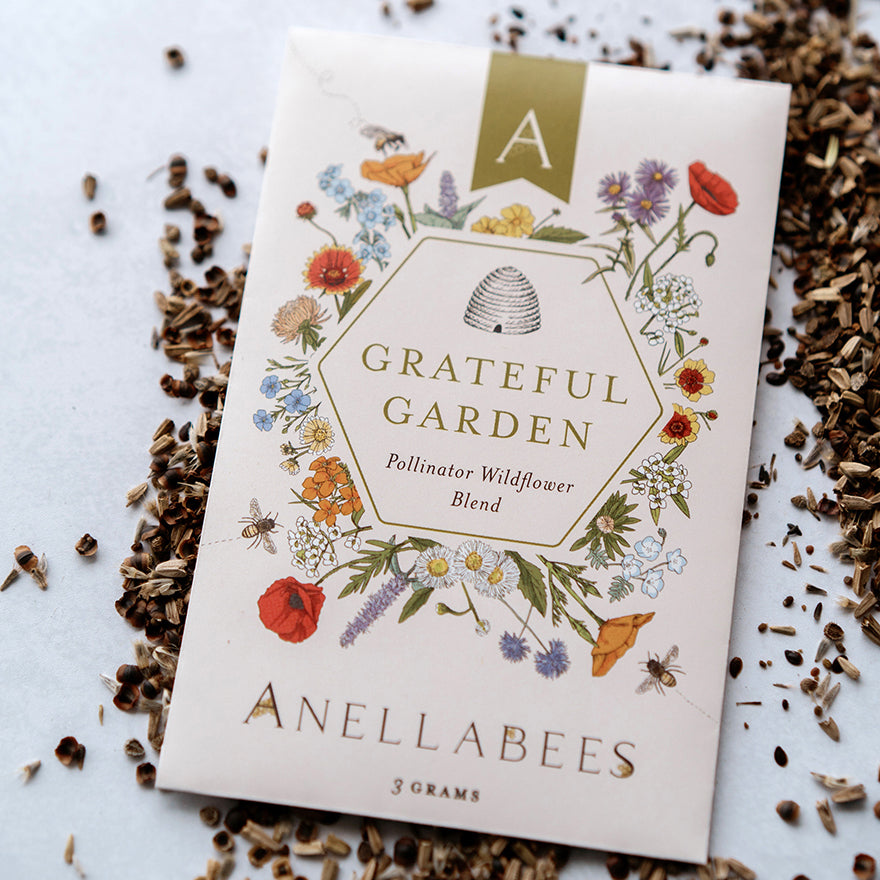
wildflower seeds to attract bees Pollinator Wildflower Seed Blend Support the PollinatorsCreate a vibrant pollinator paradise with our diverse wildflower seed blend! This carefully curated mix of native and naturalized annuals and perennials produces a stunning tapestry of colorful blooms that bees, butterflies, hummingbirds, and beneficial insects absolutely love. Perfect for creating natural wildflower meadows, filling bare spots in your garden, or transforming your lawn into a thriving ecosystem. Easy to grow, low maintenance once
Create a vibrant pollinator paradise with our diverse wildflower seed blend! This carefully curated mix of native and naturalized annuals and perennials produces a stunning tapestry of colorful blooms that bees, butterflies, hummingbirds, and beneficial insects absolutely love. Perfect for creating natural wildflower meadows, filling bare spots in your garden, or transforming your lawn into a thriving ecosystem. Easy to grow, low-maintenance once established, and provides season-long nectar and pollen for our essential pollinators.
What's in This Wildflower Blend:
- Black-Eyed Susans (Rudbeckia hirta)
- Purple Coneflowers (Echinacea purpurea)
- Blanket Flowers (Gaillardia)
- Cornflowers/Bachelor's Buttons (Centaurea cyanus)
- California Poppies (Eschscholzia californica)
- Plains Coreopsis (Coreopsis tinctoria)
- Scarlet Flax (Linum grandiflorum)
- Annual Baby's Breath (Gypsophila elegans)
- Cosmos (Cosmos bipinnatus)
- Sweet Alyssum (Lobularia maritima)
- Shasta Daisies (Leucanthemum)
- Crimson Clover (Trifolium incarnatum)
Annuals for Immediate Impact:
- Bloom quickly (often within 6-8 weeks)
- Provide vibrant color the first year
- Fill in gaps while perennials establish
- Self-seed for continuous blooms year after year
- Examples: Cosmos, cornflowers, poppies, scarlet flax
Perennials for Long-Term Investment:
- Establish strong root systems first year
- Return bigger and better each year
- Require minimal maintenance once established
- Provide consistent food source for pollinators
- Examples: Purple coneflowers, black-eyed Susans, blanket flowers
Season-Long Blooms:
- Different varieties bloom at different times
- Continuous nectar and pollen from spring through frost
- Provides reliable food source when pollinators need it most
- Extends the beauty of your garden for months
Maximum Pollinator Support:
- Diverse flower shapes attract different pollinator species
- Tubular flowers for hummingbirds and long-tongued bees
- Open, daisy-like flowers for butterflies
- Clustered blooms for short-tongued bees
- Creates complete ecosystem for beneficial insects
Perfect For: Pollinator gardens, wildflower meadows, naturalized areas, erosion control, hillside plantings, lawn alternatives, no-mow zones, cottage gardens, cutting gardens, prairie restoration, wildlife gardens, sustainable landscaping, teaching kids about ecosystems, Earth Day projects, bee-friendly yards.
Why Pollinators Need Our Help:
The Pollinator Crisis:
- Bee populations have declined by 30-50% in recent decades
- Monarch butterflies have decreased by 90% since the 1990s
- Habitat loss is the #1 threat to pollinator survival
- Pesticide use and climate change compound the problem
- One-third of our food supply depends on pollinators
Your Garden Makes a Difference:
- Provides vital nectar and pollen when wild spaces disappear
- Creates safe nesting and overwintering habitat
- Supports entire ecosystems (pollinators feed birds and other wildlife)
- Helps reverse dangerous population declines
- Connects fragmented habitats through "pollinator corridors"
Growing Your Wildflower Meadow:
Best Planting Methods:
- Direct sow outdoors in early spring after last frost or in fall
- Prepare soil by removing weeds and loosening top 2-3 inches
- Mix tiny seeds with sand for easier, more even distribution
- Broadcast seeds over prepared area
- Lightly rake to ensure seed-to-soil contact
- Keep moist until germination (usually 7-21 days)
- Thin if overcrowded once seedlings are 2-3 inches tall
Growing Tips:
- Most varieties prefer full sun (6+ hours daily)
- Well-drained soil, tolerates poor to average fertility
- Water regularly until established (4-6 weeks)
- Drought-tolerant once established
- No fertilizer needed (encourages lush leaves over flowers)
- USDA hardiness zones 1-12 (varies by individual species)
First Year Expectations:
- Annuals will bloom first season (6-8 weeks from sowing)
- Perennials focus on root development, may not bloom until year 2
- Don't be discouraged! Perennials are building strength for spectacular future shows
- Keep area watered and weed-free first season
- Height varies by variety (typically 12-36 inches)
Maintenance for Years of Beauty:
- Cut back once annually in late winter/early spring
- Leave seed heads for birds through winter
- Allow some plants to self-seed for continuous blooms
- Deadhead annuals to extend blooming period
- No fertilizing needed
- Water only during severe drought
Coverage:
- One packet typically covers 25-100 square feet (varies by seed count)
- For larger areas, calculate: 1 oz per 150-200 square feet
- Better to overseed than underseed for full, lush meadow
- Mix well with sand or sawdust for even distribution
Perfect Planting Locations:
- Sunny slopes and hillsides (helps prevent erosion)
- Edges of property or along fences
- Around mailboxes or lamp posts
- Replacing unused lawn areas
- Between vegetable garden rows
- School gardens and public spaces
- Alongside driveways and walkways
Wildlife Benefits Beyond Pollinators:
- Seed heads feed songbirds through winter
- Dense growth provides shelter for beneficial insects
- Attracts ladybugs and lacewings (natural pest control)
- Creates habitat for ground-nesting bees
- Supports complete food web
Low-Maintenance Beauty:
- Once established, requires minimal care
- No mowing, fertilizing, or intensive watering
- Tolerates poor soil conditions
- Adapts to various climates and conditions
- More resilient to drought and heat than traditional lawns
- Saves time, money, and resources
Cutting Garden Bonus:
- Many varieties make excellent cut flowers
- Bring armfuls of blooms indoors all summer
- Long-lasting in vases (especially black-eyed Susans and coneflowers)
- Creates instant country cottage charm
Educational Value:
- Perfect for teaching kids about plant life cycles
- Observe pollinators visiting flowers
- Learn about native plants and ecosystems
- Understand food webs and biodiversity
- Hands-on environmental stewardship
Storage Instructions: Store seeds in a cool, dry place away from direct sunlight and high humidity. Ideal storage temperature is between 32-41°F. Properly stored seeds remain viable for 2-3 years.
Gift-Ready Packaging: Beautiful seed packet makes a perfect gift for nature lovers, gardeners, eco-conscious friends, teachers, Earth Day, Mother's Day, housewarming gifts, or anyone passionate about supporting pollinators and creating sustainable landscapes.
Create an Even Bigger Impact: Pair with our Flower Seed Collection (6-pack) for complementary blooms, try our Pollinator Garden Seed Collection (12-pack) for maximum diversity, or browse our complete Garden Seeds Collection for additional varieties.
Shipping Notes
- Free Standard Shipping on $100+ Orders to the USA.
- Except Preorder products are shipped in 48 hours.
- Delivery to the USA:
- Standard Shipping : 3-10 business days
- If time is of the essence, please consider selecting expedited delivery for faster service.
Exchange/Return Notes
- We offer a 30-day return/exchange service after receiving.
- Final sale items are not eligible for returns or exchanges.
- To process your return/exchange, please contact us at [email protected]
- Please click here for more details>>> Return & Exchange Policy