Pay in installments of $6.61 with
 ,
,
 and
and

Shipping Estimate
USA
- USA
- CAN
- USA
- CAN
Ships within 48 hours · Estimated delivery Oct 10 - Oct 15
 Promo Codes Available:
For Your Every Summer RSVP, with Code: SUMMER15
Description
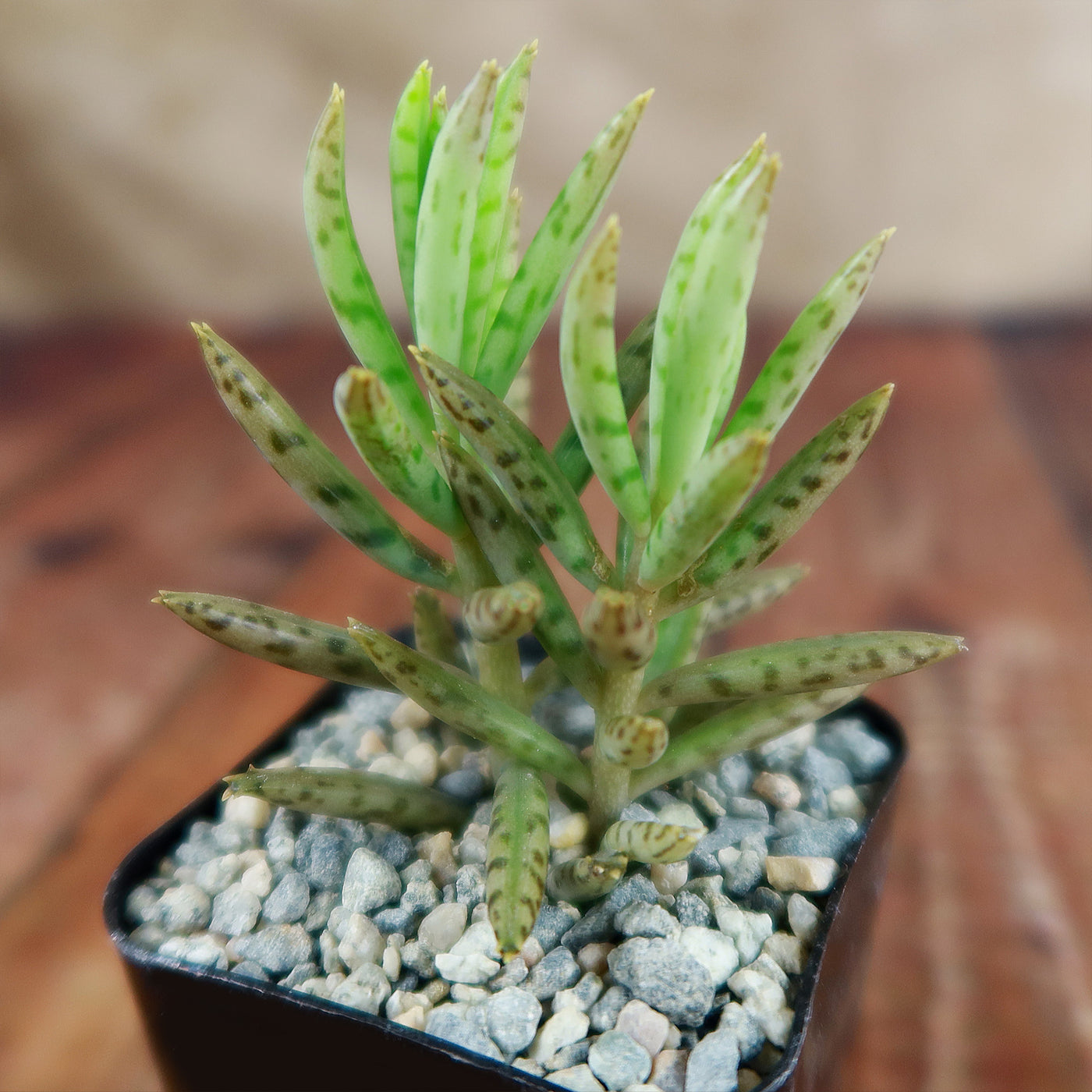
chandelier plant succulent Shop 'Mother of Millions - Kalanchoe delagoensis' Care and InfoIntroducing the Mother of Millions, known as Kalanchoe delagoensis, which is one of the most popular succulent plants. It also goes by the names Chandelier Plant, Devil's Backbone, Alligator Plant, Kalanchoe tubiflora, and Mexican Hat Plant. This plant is frequently mistaken for the Kalanchoe laetivirens "Mother of Thousands," a related millions plant with bigger and broader leaves. The Mother of Millions plant gets its name from its unique ability to
Introducing the Mother of Millions, known as Kalanchoe delagoensis, which is one of the most popular succulent plants. It also goes by the names Chandelier Plant, Devil's Backbone, Alligator Plant, Kalanchoe tubiflora, and Mexican Hat Plant. This plant is frequently mistaken for the Kalanchoe laetivirens "Mother of Thousands," a related millions plant with bigger and broader leaves.
The Mother of Millions plant gets its name from its unique ability to produce numerous babies along its leaf edges. These babies, also known as bulbils, have a root and resemble miniature versions of the parent plant. When they fall to the ground, they can take root and grow into new plants, hence the name "Mother of Millions." It's a perfect name that captures the plant's remarkable reproductive strategy.
Native to Madagascar, it has gained popularity as a houseplant due to its unique characteristics.
This chandelier plant showcases a thick erect stem that can grow up to 5 feet tall, and fleshy leaves that grow in clusters, forming an attractive rosette shape. The leaves are primarily green, adorned with intriguing reddish-brown spots.
When it comes to flowers, the Mother of Millions plant produces clusters of small, tubular blooms.
These flowers can vary in color, ranging from shades of pink, red, or orange. When the plant blooms, it creates a beautiful display of colorful flowers that add a vibrant touch to its overall appearance. The flowers are typically held above the foliage on tall stalks, creating an eye-catching sight.
The Kalanchoe delagonsis can be propagated easily by removing the plantlets that grow along the edges of their leaves and planting them in well-draining soil. These plantlets will quickly take root and establish themselves as new plants, making propagation a simple and effective way to expand your collection of Mother of Millions.
With proper care and attention, the Kalanchoe delagoensis can be a stunning addition to any succulent plant collection. The distinctive appearance and fascinating reproductive process of this mother plant make it an intriguing and captivating plant to nurture and enjoy.
Mother of millions is an invasive species because of its ability to reproduce rapidly and outcompete native plants for resources. These species' ability to reproduce vegetatively, drought tolerance, and popularity as garden or potted plants have led to their invasive weed or invasive species in eastern Australia, South Africa, and many Pacific islands.
When and How to Water Mother of Millions Plant
When it comes to watering the Mother of Millions of plants, it's important to strike the right balance. This succulent plant prefers a watering routine that allows the soil to dry out between waterings. Overwatering can be detrimental to the Kalanchoe plant's health, as it can lead to root rot. It's recommended to water the Mother of Millions thoroughly, allowing the water to soak through the soil, and then wait until the top inch or so of the soil is dry before watering again. This allows your Devil's backbone plant to receive the moisture it needs while preventing excess water retention.
It's worth noting that the watering frequency may vary depending on factors such as the climate, temperature, and humidity levels.
In the spring, during the growing season, the Mother of Millions may require more frequent watering. However, during the dormant period in summer, it's important to reduce watering and allow the plant to rest.
Remember to always observe the moisture levels of the soil and adjust your watering schedule accordingly to ensure the optimal health of your Mother of Millions plant.
Light Requirements - Where to Put Mother of Millions
If growing indoors, the Mother of Millions plant thrives in bright, indirect light conditions. It enjoys soaking up the sun's rays, but direct sun can be too intense and may cause the leaves to burn or become discolored. Placing the plant near a window where it can receive bright, filtered light is ideal.
For outdoor cultivation, it thrives in full sun to partial shade. It is best to place them in a location where they can receive at least six hours of sunlight daily to ensure healthy growth. Avoid placing them in prolonged sunlight for extended periods as this can cause sunburn on the leaves.
Pro Tip
- If you notice that your chandelier plant leaves are stretching or leaning toward the light source, it's a sign that the Mother of Millions plant may need more light, or it may be getting too little light.
- On the other hand, if the mother of Million leaves starts turning yellow or brown, it could indicate that the plant is receiving too much direct sunlight.
Finding the right balance of light will help your Kalanchoe delagoensis Mother of Millions plant grow healthy and vibrant.
Optimal Soil & Fertilizer Needs
The Mother of Millions plant prefers well-drained soil that allows excess water to flow out easily. Moisture can be a real killer, leading to root and stem rot in no time flat. But fear not, my fellow green thumbs!
Planet Desert has got your back with our specialized succulent potting mix that includes 5 natural substrates with organic mycorrhizae – perfect for promoting healthy roots and happy Kalanchoe delagoensis. Avoid using heavy or compacted soil that can lead to waterlogged roots.
When it comes to fertilizing the Mother of Millions plant, a balanced fertilizer formulated for succulents can be used. During the spring growing season, you can fertilize them once a year. However, it's important to dilute the fertilizer to half or a quarter strength of NPK (5-10-5) to prevent overfeeding, as succulents have lower nutrient requirements compared to other plants.
During the dormant period in fall and winter, it's best to refrain from fertilizing altogether. Remember to always follow the instructions and adjust the frequency and strength of fertilization based on the specific needs of your Mother of Millions plant.
Hardiness Zone & More
When growing indoors, it thrives best in temperatures between 60 to 85 degrees Fahrenheit. It is important to avoid exposing this plant to temperatures below 50 degrees Fahrenheit, as it can lead to damage or even death.
For outdoor cultivation, the Mother of Millions plant is generally hardy in USDA hardiness zones 9 to 11. It prefers warm temperatures and can tolerate temperatures as low as 20 degrees Fahrenheit.
The Mother of Millions plant is adaptable and can tolerate a range of humidity levels. It can withstand both dry conditions and moderate humidity. However, it's important to avoid excessive humidity, as it can increase the risk of fungal diseases. Providing good air circulation around the plant can help prevent moisture buildup and maintain a healthy environment for the Mother of Millions.
Remember to consider your specific climate and conditions when it comes to Kalanchoe delagoensis care, and make adjustments accordingly to your climate to ensure its optimal growth and well-being.
Final Thoughts
Overall, the Mother of Millions (Kalanchoe delagoensis) is a striking succulent plant with unique tubular leaves and clusters of tiny plantlets along its edges. To care for this plant, ensure it receives plenty of sunlight, well-draining soil, and occasional watering to prevent root rot. Be sure to add Kalanchoe delagoensis Mother of Millions Plant to your collection today and elevate the beauty of your home or garden with this stunning-looking plant.
Related Article
Please read our full article on Mother of Millions to learn more about this amazing plant.
Shipping Notes
- Free Standard Shipping on $100+ Orders to the USA.
- Except Preorder products are shipped in 48 hours.
- Delivery to the USA:
- Standard Shipping : 3-10 business days
- If time is of the essence, please consider selecting expedited delivery for faster service.
Exchange/Return Notes
- We offer a 30-day return/exchange service after receiving.
- Final sale items are not eligible for returns or exchanges.
- To process your return/exchange, please contact us at [email protected]
- Please click here for more details>>> Return & Exchange Policy