Pay in installments of $5.14 with
 ,
,
 and
and

Shipping Estimate
USA
- USA
- CAN
- USA
- CAN
Ships within 48 hours · Estimated delivery Sep 28 - Oct 3
 Promo Codes Available:
For Your Every Summer RSVP, with Code: SUMMER15
Description
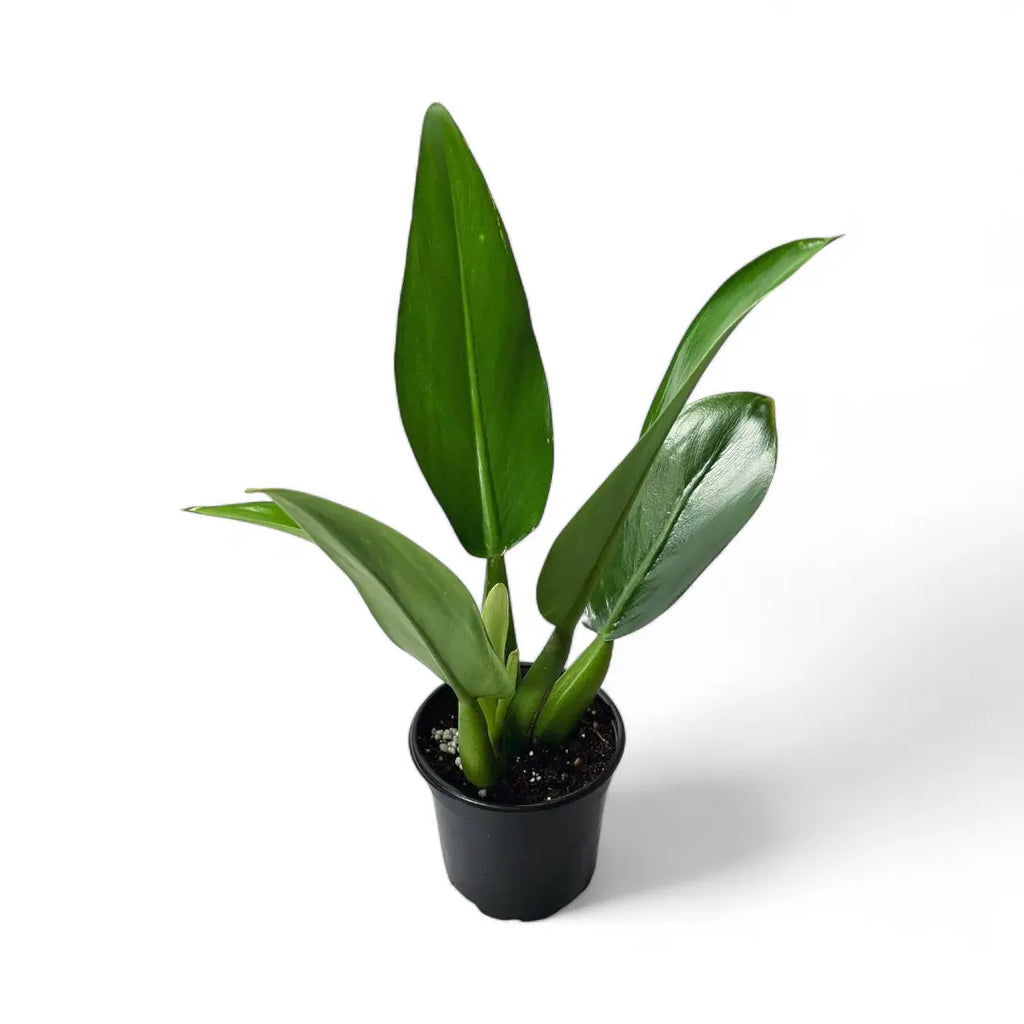
philodendron green fatboy Philodendron Martianum 'Fat Boy'The name explains itself the moment you see it. Every petiole on the Philodendron Martianum 'Fat Boy' is dramatically swollen inflated, bulbous, and hollow, like a series of fat green sausages holding up the broad, glossy dark green leaves above. No other Philodendron looks quite like this. Named in honour of Carl Friedrich Philipp von Martius, the great German botanist who spent years cataloguing the flora of Brazil's Amazon basin, martianum is a
The name explains itself the moment you see it. Every petiole on the Philodendron Martianum 'Fat Boy' is dramatically swollen — inflated, bulbous, and hollow, like a series of fat green sausages holding up the broad, glossy dark-green leaves above. No other Philodendron looks quite like this. Named in honour of Carl Friedrich Philipp von Martius, the great German botanist who spent years cataloguing the flora of Brazil's Amazon basin, martianum is a species from Brazil's Atlantic rainforest and rocky outcroppings — a plant equally at home growing on tree trunks and bare cliff faces, which explains its unusually tough, drought-tolerant character. The swollen petioles are not just a visual quirk; they are water storage organs, making this a semi-succulent Philodendron that tolerates dry spells far better than most of its genus. New leaves emerge with a warm bronze flush before deepening to the rich, glossy green of a mature plant. It grows as a self-heading, compact rosette — no climbing, no moss pole, no drama — and is one of the most genuinely low-maintenance collector aroids available.
Light
▾
Bright indirect light — an east or west-facing window is ideal. The Fat Boy tolerates lower light better than many collector aroids, but in good bright light it produces larger leaves, more vivid bronze new growth, and a more compact, robust rosette form. Avoid direct harsh afternoon sun — it scorches and bleaches the glossy leaves. Gentle morning sun is fine and beneficial. A grow light at 12–14 hours works well indoors and produces consistent new growth year-round.
Watering
▾
Allow the top 50% of the soil to dry out before watering thoroughly — much drier than most Philodendrons. The swollen petioles store water and the plant tolerates short dry spells with ease; consistent soggy soil is the primary cause of root rot in this species. Water deeply and allow to drain completely; empty the saucer after watering and never allow to stand in water. In winter reduce frequency further — the petioles provide a visible cue: slightly softened or less plump petioles indicate the plant is ready for water. Filtered water preferred; room temperature.
Humidity
▾
Average indoor humidity (40–55%) is ideal — one of the few Philodendrons that actively prefers drier air. The thick petioles store moisture internally and excessive ambient humidity can encourage fungal issues on the leaf surfaces and around the stem base. Do not mist. No humidifier needed. India's typical indoor climate is naturally well-suited. Keep away from excessively humid bathrooms or very damp corners. Good air circulation around the plant is beneficial.
Growing Media
▾
Well-draining, airy mix — 40% orchid bark, 30% perlite, 20% quality potting soil or coco coir, 10% worm castings. pH 6.0–6.5. The mix must drain immediately and completely; any sustained moisture retention around the roots causes rot in this semi-succulent species. A terracotta pot with drainage holes is strongly recommended — the porous walls assist evaporation and prevent moisture build-up between waterings. Repot every 1–2 years in spring; slightly root-bound is preferred. Move up only one pot size at a time.
Feeding
▾
Balanced liquid fertilizer at half strength every 3–4 weeks during the growing season (spring through early autumn). Apply to moist soil only. The Fat Boy is not a heavy feeder; consistent but light feeding during active growth produces robust new leaves. Flush soil every 3 months to prevent mineral salt build-up. Stop feeding in winter. Avoid high-nitrogen formulas — they push soft, watery growth that is particularly susceptible to rot in this semi-succulent species.
Soft, Mushy, or Collapsing Petioles
▾
The most Fat Boy-specific complaint — and the most serious. Mushy, collapsing petioles indicate root rot from overwatering. Unpot immediately, inspect the roots — trim all blackened or mushy sections with clean scissors, allow the root ball to air-dry for several hours, repot in fresh completely dry well-draining mix, and do not water for at least 2 weeks. Going forward: allow top 50% of soil to dry before watering; terracotta pot; no saucer standing water.
Yellow Leaves
▾
Overwatering — the primary cause in this species. Allow the soil to dry much further between waterings and check that drainage is excellent. One older leaf yellowing as a new one unfurls is normal cycling. Widespread yellowing with soggy soil: unpot, trim rotted roots, repot in fresh mix, water less going forward.
Leaves Staying Small or Growth Stalling
▾
Insufficient light or the plant being too root-bound. Move to a brighter indirect position. Check whether roots are circling the pot base — if so, repot one size up in spring. Begin consistent feeding every 3–4 weeks. In good conditions the Fat Boy produces large, substantial leaves; small leaves are a reliable indicator that one of these three conditions needs attention.
Brown Leaf Tips or Edges
▾
Mineral build-up from tap water or over-fertilizing. Switch to filtered water, flush the soil thoroughly every 3 months, and reduce fertilizer concentration. Existing brown tips are permanent — trim neatly at a slight angle; new growth in improved conditions will be clean.
Fungal Spots on Leaves or Stem Base
▾
Excessive humidity or water splashing on the leaf surfaces or stem base — this species prefers drier air than most aroids. Improve air circulation, stop any misting, and reduce ambient humidity. Remove badly affected leaves. Apply a diluted neem oil solution to the stem base and leaf surfaces as a preventive. Move to a drier, better-ventilated position.
Quick Plant Profile
▾
| Botanical Name | Philodendron martianum Engl. 'Fat Boy' |
| Named After | Carl Friedrich Philipp von Martius — German botanist who catalogued Brazil's Amazon flora |
| Common Names | Fat Boy Philodendron, Cannifolium Philodendron, Swollen Petiole Philodendron |
| Family | Araceae |
| Origin | Brazil; Atlantic rainforest and rocky outcroppings; epiphytic and lithophytic |
| Defining Feature | Dramatically swollen, hollow, inflated petioles — water storage organs; unlike any other Philodendron |
| Petiole Function | Semi-succulent water storage — plant tolerates dry spells; plump petioles = well-hydrated; soft petioles = water needed |
| New Leaf Colour | Bronze flush on emergence; deepens to deep glossy green as leaf matures |
| Growth Habit | Self-heading rosette; non-vining; no climbing; no moss pole needed; compact upright clump |
| Humidity Note | Prefers drier air (40–55%) — one of the few Philodendrons that does NOT benefit from a humidifier |
| Light | Bright indirect; tolerates medium light; no direct harsh sun |
| Watering | Top 50% dry before watering; much drier than most Philodendrons; terracotta pot recommended |
| Temperature | 18°C–30°C; no cold drafts; no sustained cold below 15°C |
| Mature Size | 30–60 cm in pots; significantly larger in-ground in tropical gardens |
| Propagation | Stem cuttings with at least one node; allow cut end to callous before placing in bark or sphagnum |
| Ideal For | Collectors, Desks, Shelves, Low-Maintenance Setups, Aroid Enthusiasts, Gifting |
| Care Level | Easy — bright light, let it dry well, avoid overwatering and excess humidity; the rest takes care of itself |
Shipping Notes
- Free Standard Shipping on $100+ Orders to the USA.
- Except Preorder products are shipped in 48 hours.
- Delivery to the USA:
- Standard Shipping : 3-10 business days
- If time is of the essence, please consider selecting expedited delivery for faster service.
Exchange/Return Notes
- We offer a 30-day return/exchange service after receiving.
- Final sale items are not eligible for returns or exchanges.
- To process your return/exchange, please contact us at [email protected]
- Please click here for more details>>> Return & Exchange Policy