Pay in installments of $6.98 with
 ,
,
 and
and

Shipping Estimate
USA
- USA
- CAN
- USA
- CAN
Ships within 48 hours · Estimated delivery Oct 6 - Oct 11
 Promo Codes Available:
For Your Every Summer RSVP, with Code: SUMMER15
Description
where can i buy a yucca plant Yucca – YardworkTransform Your Landscape with Stunning Drought Resistant Architecture Yucca plants give you bold, sculptural structure without the constant watering, pruning, or upkeep required by many other plants. Known for sword shaped leaves, dramatic rosettes, and tall flower spikes, yuccas create instant focal points in rock gardens, xeriscapes, modern garden beds, and California landscapes built for dry climates. These hardy perennials thrive in warm, dry
Transform Your Landscape with Stunning Drought-Resistant Architecture
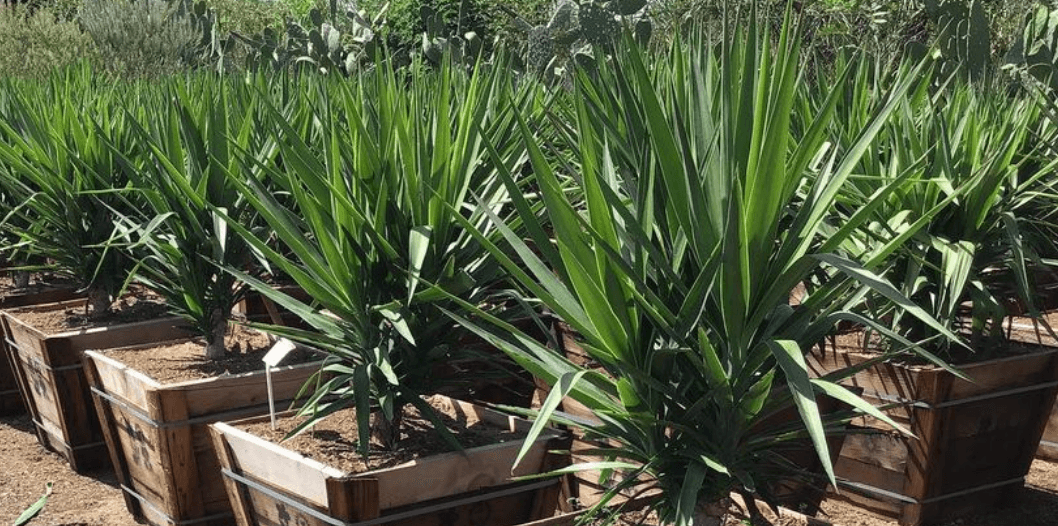
Yucca plants give you bold, sculptural structure without the constant watering, pruning, or upkeep required by many other plants. Known for sword shaped leaves, dramatic rosettes, and tall flower spikes, yuccas create instant focal points in rock gardens, xeriscapes, modern garden beds, and California landscapes built for dry climates.
These hardy perennials thrive in warm, dry environments requiring abundant sunlight, and most yucca plants need at least 6 hours of direct sunlight daily. With the right well draining soil, yuccas conserve water effectively, resist many common landscape stresses, and bring year-round evergreen form to spaces where thirsty ornamental plants struggle.
Why You'll Love It
-
Drought Tolerance – Yucca plants are drought-tolerant and conserve water effectively, making them excellent low maintenance plants for xeriscaping and arid climates alongside other drought-tolerant California natives like California lilac.
-
Architectural Drama – Bold sword like leaves and geometric rosettes create dramatic focal points in minimalist landscape designs.
-
Low Maintenance – Yuccas need to dry out between waterings to thrive, so they ask for less attention than many shrubs, flowering perennials, and ornamental grasses.
-
Year-Round Interest – Evergreen yucca leaves provide structure through every season, whether you choose a compact yucca indoors or a large yucca plant outdoors.
-
Spectacular Blooms – Yuccas often showcase towering spikes of bell-shaped flowers, with creamy white flowers or white bell shaped flowers rising above the foliage.
Yuccas are also useful beyond appearance. Yucca plants provide habitat and food for wildlife, and yucca plants are pollinated by yucca moths. Yucca moths lay their eggs inside yucca flowers, and the yucca moth larvae feed on developing yucca seeds. The yucca moth and yucca plant pollination relationship is mutually beneficial for both species.
What Makes It Different
Most landscaping plants require constant watering, seasonal pruning, and frequent replacement when heat or drought intensifies. Yucca plants prefer the opposite approach: full sun, sandy soil or rocky soil, and time to dry out completely between waterings. Overwatering is a leading cause of root rot and yucca plant death, so planting yucca in a well draining soil mixture is essential.
Yucca Plant offers:
-
Native Adaptability – Many yucca species evolved in the southwestern United States, southern United States, the Mojave Desert, and other dry climates, making them naturally suited to California-style water-wise landscapes.
-
Sculptural Form – Unlike typical shrubs, yuccas form living architecture with blue green leaves, sharp yucca leaves on some species, and strong rosette or yucca tree silhouettes, pairing beautifully with vertical accents like Karl Foerster Feather Reed Grass.
-
Multiple Species Options – There are nearly 50 known species of Yucca plants, including shrubby and tree-like varieties, from cold hardy yucca filamentosa to spineless yucca for indoor plants.
Many yuccas have sharp tips making them effective natural barriers, especially when placed away from walkways. Yuccas also possess deep fibrous root systems that help with erosion control, and yucca plants are fire-resistant, suitable for fire-prone areas, working well alongside evergreen screening options such as a Fern Pine hedge for privacy.
How To Grow Yucca Successfully
-
Plant in Well-Draining Soil
Yucca plants require well-draining soil to prevent root rot. Yucca plants thrive in well-draining soil with a pH of 6.0-7.5, and most yucca plants prefer sandy soil, rocky soil, or a gritty well draining soil mixture. Choose a full sun location with abundant natural light and at least 6 hours of direct sunlight daily. -
Water Sparingly
Water yucca plants every 1-2 weeks, allowing soil to dry out. During winter, watering frequency can be reduced to once a month during winter for yuccas, or reduced to once every 3-4 weeks in winter depending on rainfall, container size, and temperature. Underwatering yuccas can cause brown tips on the leaves, but too much water is more dangerous because it can cause root rot. -
Watch It Thrive
Once established, outdoor yucca plants need minimal intervention. Remove dead or damaged leaves as needed, apply a light balanced fertilizer in spring if growth is weak, and monitor for tiny insects such as spider mites, scale, or mealybugs. Neem oil can help manage light pest pressure, while improved airflow and correct watering help prevent leaf discoloration. -
Propagate New Plants
Yucca plants can be propagated via stem cuttings or offsets. Some species also spread through yucca rhizomes from the parent plant. Seeds germinate slowly, so stem cuttings and offsets are often the simplest way to grow yucca and create new plants.
Plant Details
-
Species Available: Yucca rostrata, yucca filamentosa, yucca gloriosa, yucca aloifolia, yucca baccata, yucca elata, yucca whipplei, yucca filifera, yucca brevifolia, yucca elephantipes, spineless yucca, yucca gigantea, and more species of yucca.
-
Mature Size: Compact varieties can stay around 2-3 feet, while tree-like varieties can reach 15-30 feet or more.
-
Notable Sizes: Yucca brevifolia, known as Joshua Tree, can grow up to 30 feet tall. Yucca rostrata can reach heights of 15 feet and produces creamy white flowers. Yucca filamentosa, or Adam's Needle, has leaves up to 2 feet long. Yucca elephantipes can grow up to 30 feet in its natural habitat.
-
Hardiness Zones: Yucca plants can survive in USDA zones 4-11 outdoors, depending on the yucca species. Yucca plants can survive in USDA zones 4-11, though tender indoor forms need more protection.
-
Temperature Range: Most yuccas prefer a temperature range of 65°F to 80°F. Some yucca varieties can tolerate temperatures as low as 30°F, while cold hardy outdoor yucca selections may tolerate colder conditions depending on species.
-
Light Requirements: Full sun to partial shade; yucca plants need at least 6 hours of direct sunlight daily.
-
Soil Needs: Well draining soil is required; yuccas prefer well draining soil, sandy soil, or rocky soil to prevent root rot.
-
Bloom Style: Showy flower spikes rise above the foliage with bell shaped flowers, creamy white flowers, or white bell shaped flowers.
-
Plant Family: Yucca belongs to the asparagus family and is sometimes grouped with palm lilies in ornamental plant descriptions.
-
Coastal Use: The Spanish Dagger variety of yucca tolerates coastal conditions.
-
Indoor Use: Yucca indoors, especially spineless yucca or yucca elephantipes, works well in bright natural light and can purify the air by removing toxins and pollutants.
-
Safety Note: Yucca leaves and roots contain saponins which can be toxic if ingested. Keep sharp yucca leaves and plant parts away from pets, children, and livestock.
-
Traditional Uses: Yucca roots treat osteoarthritis and hypertension. Yucca is used for migraines and high cholesterol. Yucca roots help with diabetes and liver disorders. Yucca has anti-inflammatory and antioxidant properties. Yucca is used in natural remedies for circulation disorders. These medicinal properties and yucca extract uses are separate from ornamental planting; do not ingest ornamental plants without professional guidance.
-
Edible Parts: Some yucca species produce edible fruits, flower petals, or young plant parts when properly prepared, but not every yucca is used as food.
Who It's For
Ideal for:
-
California homeowners seeking drought-resistant landscaping solutions.
-
Desert garden enthusiasts who want authentic southwestern United States character.
-
Busy gardeners who want low maintenance plants with strong visual impact.
-
Landscape designers creating modern, architectural outdoor spaces.
-
Homeowners building rock gardens, xeriscapes, fire-conscious garden beds, and contemporary landscapes.
-
Plant lovers who want yucca indoors in a bright room with strong natural light.
-
Anyone comparing yuccas with ornamental grasses, flowering perennials, or other plants that need more water.
If you want a bold outdoor yucca, a small tree form, or a dramatic yucca tree for a dry garden, Yardwork can help you choose the right variety. For larger designs, a large yucca plant such as yucca rostrata, yucca gloriosa, or yucca brevifolia can anchor a space. For indoor styling, spineless yucca, yucca elephantipes, or yucca gigantea offers cleaner handling and a softer profile than spiny landscape species.
Frequently Asked Questions
How often should I water my yucca?
Water yucca plants every 1-2 weeks, allowing soil to dry out. Yuccas need to dry out between waterings to thrive. Reduce watering to once every 3-4 weeks in winter, and watering frequency can be reduced to once a month during winter for yuccas in cooler or lower-light conditions.
Will it survive California's dry summers?
Yes. Yuccas thrive in warm, dry environments requiring abundant sunlight. Yuccas are useful in xeriscaping designs due to their drought tolerance, and established plants conserve water effectively with very little supplemental irrigation.
How big will it get?
Yuccas can be categorized into shrubby and tree-like varieties. Size depends on species: yucca filamentosa stays lower, yucca rostrata can reach 15 feet, yucca brevifolia or Joshua Tree can grow up to 30 feet tall, and yucca elephantipes can grow up to 30 feet in its natural habitat.
Can I grow it in containers?
Yes. Many yucca species grow well in containers when planted in a well draining soil mixture. Make sure the pot drains freely, place the plant in bright natural light or direct sunlight, and avoid keeping the soil wet.
When will it bloom?
Most mature yuccas bloom after several years. Yuccas often showcase towering spikes of bell-shaped flowers, and yucca flowers may appear as tall flower spikes with creamy white flowers in summer or early fall.
Are yuccas safe around pets?
Use caution. Yucca leaves and roots contain saponins which can be toxic if ingested, and many yuccas have sharp tips. Choose spineless yucca for safer indoor placement, and keep spiny outdoor varieties away from paths and play areas.
Ready to Transform Your Landscape?
Choose a Yucca Plant and create a bold, drought-resistant garden with sword shaped leaves, showy flower spikes, and year-round structure. Browse Yardwork’s yucca selection to buy yucca plants for your landscape, patio, or bright indoor space. Need help choosing between yucca rostrata, yucca filamentosa, yucca gloriosa, spineless yucca, or another species? Yardwork’s expert consultation services can help match the right yucca species to your soil, sun exposure, space, and design goals.
Shipping Notes
- Free Standard Shipping on $100+ Orders to the USA.
- Except Preorder products are shipped in 48 hours.
- Delivery to the USA:
- Standard Shipping : 3-10 business days
- If time is of the essence, please consider selecting expedited delivery for faster service.
Exchange/Return Notes
- We offer a 30-day return/exchange service after receiving.
- Final sale items are not eligible for returns or exchanges.
- To process your return/exchange, please contact us at [email protected]
- Please click here for more details>>> Return & Exchange Policy