Pay in installments of $7.08 with
 ,
,
 and
and

Shipping Estimate
USA
- USA
- CAN
- USA
- CAN
Ships within 48 hours · Estimated delivery Sep 29 - Oct 4
 Promo Codes Available:
For Your Every Summer RSVP, with Code: SUMMER15
Description
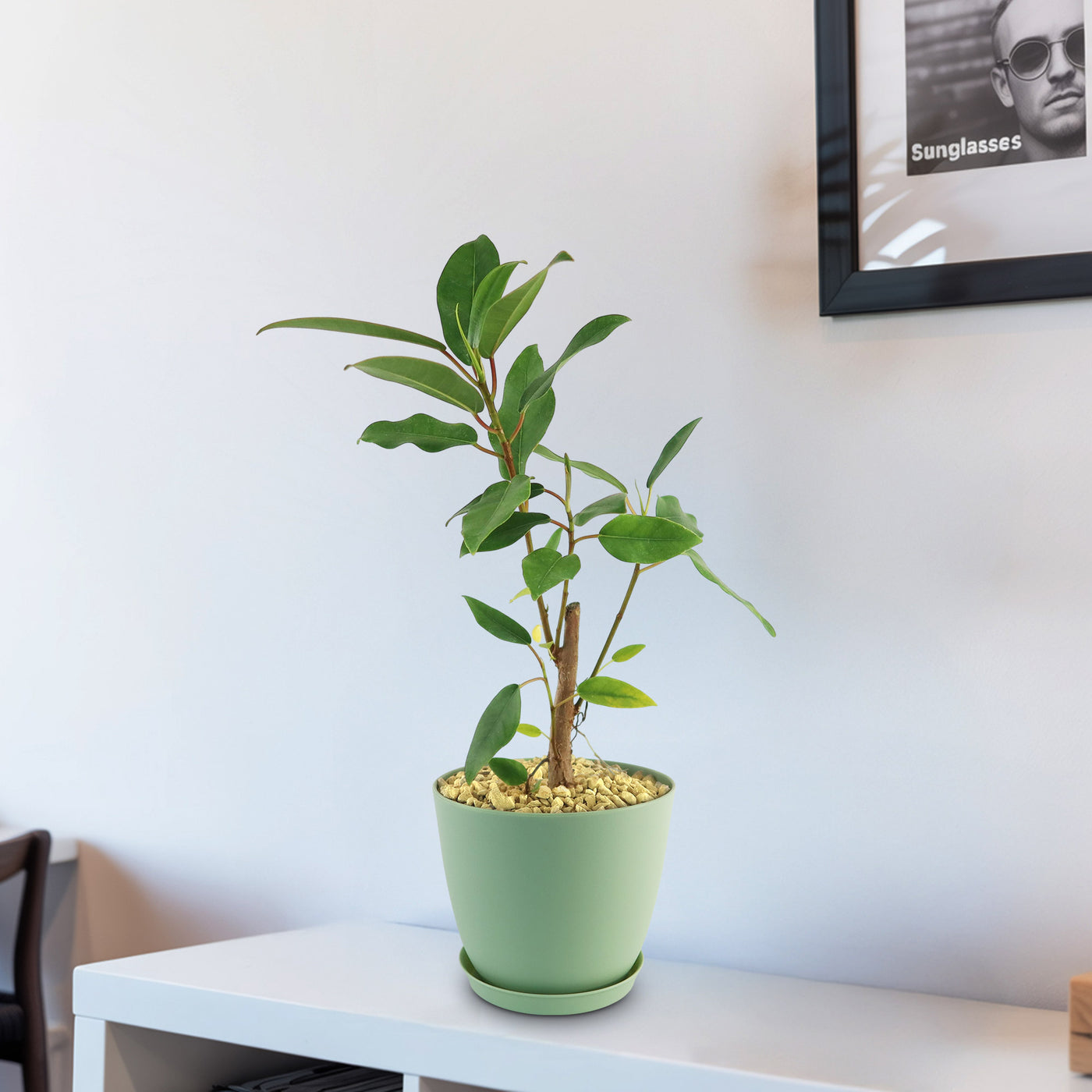
fig tree potted plant Shop 'Strangler Fig Tree - Ficus watkinsiana' Care & Growing GuideThe Strangler fig tree, also known as Ficus watkinsiana, is a vibrant houseplant of the Ficus genus, including around 800 species. This species has a distinct germination process and is also known as the Watkins fig or nipple fig. If the fig seeds get enough moisture, they will germinate anywhere. It is a type of fig tree that is known for its unique growth habit. It starts its life as an epiphyte, which means it grows on other plants and trees, and
The Strangler fig tree, also known as Ficus watkinsiana, is a vibrant houseplant of the Ficus genus, including around 800 species. This species has a distinct germination process and is also known as the Watkins fig or nipple fig. If the fig seeds get enough moisture, they will germinate anywhere.
It is a type of fig tree that is known for its unique growth habit. It starts its life as an epiphyte, which means it grows on other plants and trees, and over time, it sends out roots that grow down to the ground.
It is called a strangler fig because its roots wrap around the host tree, and over time, they can strangle and eventually kill the host.
This process can take several years, and the resulting magnificent hollow-trunked fig tree can grow to be over 98 feet tall, with large oval leaves and purple-black round edible fruits.
Strangler fig tree flowers are small and inconspicuous but produce a sweet fragrance that attracts pollinators such as wasps. During spring and summer, it produced greenish flowers.
The flowers eventually develop into figs that provide food for a variety of animals in the ecosystem. While this plant may be too big for your backyard garden, it makes an excellent shade tree for parks or larger properties.
Native to Australia and Papua New Guinea, this strangler fig can thrive in temperate regions, too - just give it plenty of moisture and well-draining soil! And if you're feeling adventurous enough, you can grow one at home as a potted plant or bonsai.
You can cultivate these beauties both indoors and outside; just make sure you have enough space for them because they tend to get pretty big.
When and How to Water Your Strangler Fig Tree
This drought tolerant strangler fig tree stores water in its stems. That means you don't need to water it too often - just make sure the topsoil is completely dry before giving it another drink. This helps avoid overwatering and keeps your plant healthy and happy!
In the spring and summer, during the active growing period, watering once a week is perfect for this little guy. But in the dormant season, during winter, you can reduce your frequency to every two weeks or less.
Remember, any water, except hard water, will work just fine! So, whether you use tap, filtered, or even rainwater, your strangling fig will thrive in no time. So, avoid hard water since it doesn't like lime very much.
Light Requirements - Where to Place Your Strangler Fig Tree
When grown indoors, the Strangler Fig Tree thrives in bright, indirect light. Place it near a window that receives plenty of sunlight, such as an east or south-facing window, to provide the 6–8 hours of light it requires daily. It does not require a lot of light, but it does need a bright location to thrive. If it is not receiving enough light, its growth may become stunted, and its leaves may turn yellow or drop off.
Avoid direct sunlight through glass, as it can scorch the leaves.
If natural light is insufficient, consider using grow lights to supplement its needs, ensuring healthy growth and vibrant foliage.
When grown outdoors, the Strangler Fig Tree prefers full to partial sunlight, needing at least 6 hours of direct sun each day to flourish.
In hotter climates, partial shade during the afternoon can help protect the tree from intense heat, especially when it’s young. Ensure it is planted in a location where it can receive consistent light throughout the day while being shielded from harsh, drying winds.
Optimal Soil & Fertilizer Needs
The strangler fig likes very airy, porous, nutrient-rich soil with a pH of 5.5- 6.5. This fig tree requires fast-draining soil that dries completely between waterings. Your soil must have a sandy texture and a low water-holding capacity, just like desert soil. Ideally, you want to use our specialized potting mix that contains 5 natural substrates and organic mycorrhizae to promote the development of a strong root system that helps your stunning plant to thrive.
Natural fertilizers with almost an equal ratio of NPK 5-10-5 also last longer and keep your soil alive by adding other beneficial compounds and microbes that encourage plant health and nutrient absorption. So, skip those harsh chemicals and give your ficus tree some love with some awesome natural fertilizer!
Hardiness Zones & More
When grown indoors, the Strangler Fig Tree thrives in bright, indirect light at temperatures ranging from 60°F to 85°F, avoiding cold drafts and sudden temperature fluctuations. This plant appreciates moderate to high humidity levels (50–70%), so consider misting the leaves regularly or placing a humidifier nearby if your home is particularly dry, especially during winter months.
For outdoor cultivation, Ficus watkinsiana is suited to USDA zones 10 to 12, in the warm climates of Southern Florida and Hawaii, making it suitable for outdoor cultivation.
It requires a warm, tropical, or subtropical environment with plenty of sunlight but prefers partial shade in regions with intense heat.
Outdoor growth also benefits from ample space, as this fig tree can grow to impressive heights and widths, forming aerial roots in the right conditions.
As for temperature and humidity, it prefers warm temperatures between 60-75°F and high humidity levels between 50-70%.
With the help of strangler fig, you'll start to spend less time maintaining your garden and more time taking in its beauty!
Wildlife - Strangler Fig Tree Attracts the Following Friendly Pollinators
The Strangler Fig Tree plays a vital role in supporting wildlife, particularly attracting pollinators. Its small but numerous flowers are uniquely pollinated by specialized fig wasps, which are essential for the tree’s reproduction. Additionally, the flowers and fruits attract other pollinators and beneficial insects, including bees, butterflies, and moths, which contribute to the health of the surrounding ecosystem.
According to ASPCA, the Strangler Fig Tree is mildly toxic to humans, cats and dogs. Ingestion of leaves, sap, or unripe fruits may cause mild to moderate symptoms, including oral irritation, drooling, vomiting, and diarrhea.
How to Propagate Strangler Fig Tree
The best way to propagate a strangler fig tree is through seed germination. Collect ripe figs from the tree and remove the seeds, then plant them in a well-draining potting mix. Keep the soil consistently moist and place the pot in a warm, sunny location to encourage germination. Once the seeds have sprouted, transplant the seedlings into larger pots or directly into the ground.
Another method of propagation is through air layering. Select a healthy branch on the tree and make a small incision on the bark. Apply rooting hormone to the cut area and wrap it with moist sphagnum moss or peat moss. Secure with plastic wrap and wait for roots to develop before cutting the branch from the parent tree and planting it in the soil. This method can be more time-consuming but can result in a more established plant quicker than growing from seed.
Key Takeaways
- The Strangler Fig Tree relies on a unique relationship with fig wasps for pollination, making it an essential species for supporting biodiversity in tropical and subtropical ecosystems.
- Its aerial roots and growth pattern allow it to envelop and eventually overtake host trees, creating a dramatic and iconic presence in its native rainforest habitat.
- This tree produces small, fig-like fruits that serve as a vital food source for birds, bats, and small mammals, contributing to the health of the local wildlife community.
- It is a great indoor plant in the United States but thrives outdoors in the warm climates of Southern Florida and Hawaii, making it suitable for outdoor cultivation.
- Its ability to thrive in diverse environments, from indoor containers to outdoor tropical landscapes, highlights its adaptability and appeal to plant enthusiasts.
The Bottom Line
Overall, the Strangler Fig Tree (Ficus watkinsiana) is a fascinating and ecologically significant plant known for its unique growth habit and adaptability. Its dramatic aerial roots and ability to thrive as both an indoor ornamental and an outdoor rainforest giant make it a standout species. The tree’s small, fig-like fruits provide a valuable food source for wildlife, while its specialized relationship with fig wasps highlights its importance in supporting biodiversity. For care, it thrives in bright, indirect light indoors or partial shade outdoors, with a preference for well-draining soil and moderate to high humidity. Its drought tolerance once established adds to its low-maintenance appeal, but pet owners should exercise caution due to its mild toxicity. Whether grown as an indoor specimen or incorporated into a tropical garden, the Strangler Fig Tree is both a striking and functional addition to any plant collection.
Shipping Notes
- Free Standard Shipping on $100+ Orders to the USA.
- Except Preorder products are shipped in 48 hours.
- Delivery to the USA:
- Standard Shipping : 3-10 business days
- If time is of the essence, please consider selecting expedited delivery for faster service.
Exchange/Return Notes
- We offer a 30-day return/exchange service after receiving.
- Final sale items are not eligible for returns or exchanges.
- To process your return/exchange, please contact us at [email protected]
- Please click here for more details>>> Return & Exchange Policy