Pay in installments of $6.70 with
 ,
,
 and
and

Shipping Estimate
USA
- USA
- CAN
- USA
- CAN
Ships within 48 hours · Estimated delivery Sep 28 - Oct 3
 Promo Codes Available:
For Your Every Summer RSVP, with Code: SUMMER15
Description
calamondin tree aldi Calamondin – Texas Tree FarmsThe Calamondin, often referred to as Calamansi, is a high yielding citrus hybrid between a mandarin orange and a kumquat. It is prized for its ornamental beauty, fragrant blooms, and tart, zesty fruit that is a staple in Southeast Asian cuisine. This tropical variety produces small, bright orange fruits with a distinctive tart sweet flavor, ideal for marmalades, cocktails, and Asian cuisine. It is hardy, adaptable, and it thrives in containers or
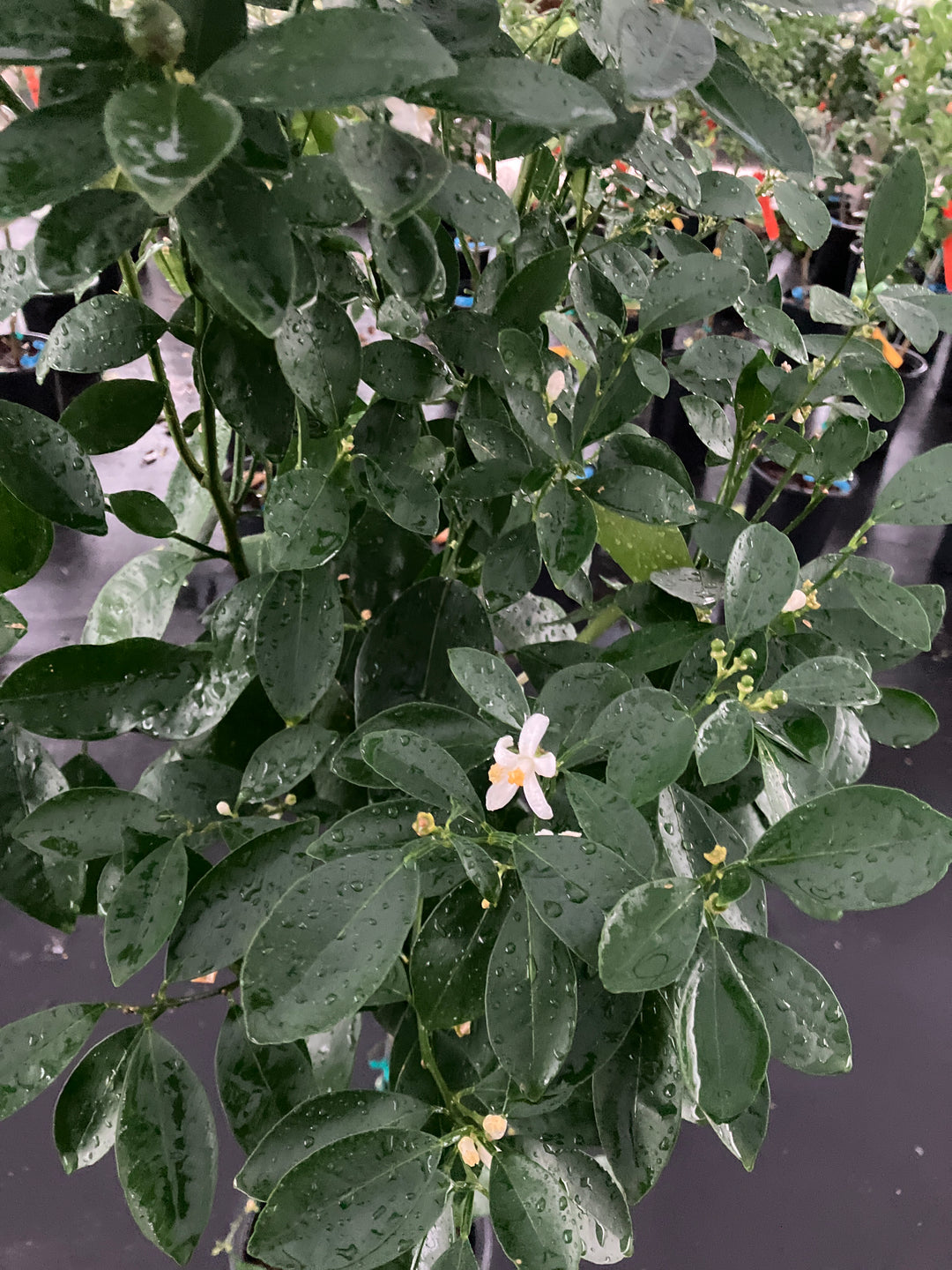
The Calamondin, often referred to as Calamansi, is a high-yielding citrus hybrid between a mandarin orange and a kumquat. It is prized for its ornamental beauty, fragrant blooms, and tart, zesty fruit that is a staple in Southeast Asian cuisine. This tropical variety produces small, bright orange fruits with a distinctive tart-sweet flavor, ideal for marmalades, cocktails, and Asian cuisine. It is hardy, adaptable, and it thrives in containers or garden settings. Calamondin offers year-round foliage and fragrant white blossoms. These are perfect for home growers seeking an attractive, productive tree that delivers both aesthetic charm and practical harvests.
|
Scientific Name |
Citrus × microcarpa (Synonyms: × Citrofortunella mitis, Citrus madurensis) |
|
Foliage: Evergreen |
Leaves: Evergreen and glossy. Small (2–4 inches), oval-shaped, and deep green. They are highly aromatic and release a spicy citrus scent when crushed. Flowers: White and intensely fragrant. Small, 5-petaled star-shaped blossoms that often appear in clusters. They bloom intermittently year-round, especially in spring. Fruit: Small and round (1–1.5 inches). Resembles a miniature orange or lime. The peel is thin, orange when ripe, and sweet/edible, while the juice and pulp are very acidic and tart. Seeds: Present. Each fruit typically contains 8 to 12 small, cream-colored seeds. Canes/Stems: Upright and bushy. Features a brown main trunk with spreading, pliable branches. Most modern cultivars are nearly thornless, though small, sparse spines may appear on younger wood. Bark Young Wood
Transitioning
Mature Trunk
|
|
Mature Height |
10 – 20 feet in the ground; 3 – 6 feet when grown in containers. |
|
Mature Width (Spread) |
5 – 12 feet (tends to grow in a columnar or rounded bushy habit). |
|
Growth Rate |
Moderate. Typically grows about 12–24 inches per year in ideal conditions. |
|
USDA Zone/Chill Hours |
8b – 11 (Extremely popular as a patio plant in colder zones 4–8). Requires 0 hours (As a subtropical citrus, it does not require a dormant chill period to fruit); It flourishes in heat (70°F–90°F), established trees can survive brief temperature drops down to 20°F, though they should be protected from prolonged frost. |
PLANT CARE & CHARACTERISTICS
Light Requirements: Full Sun. Prefers 6–8+ hours of direct sunlight. If grown indoors, a south-facing window or supplemental grow lights are necessary to ensure flowering.
Water Requirements: Moderate. Prefers deep, infrequent watering. The soil should dry out slightly (about 1–2 inches deep) between waterings. Avoid soggy roots at all costs.
Drought Resistance: Moderate. Once established in the ground, it can handle short dry spells. However, container-grown plants will drop their fruit if they dry out completely.
Soil Type: Well-Drained and Sandy. Ideally a slightly acidic to neutral pH (6.0–7.0). Use a high-quality citrus potting mix for container plants to ensure aeration.
Deer Resistance: Low to Moderate. While the bitter oils in the leaves often deter casual grazers, hungry deer will eat the tender new growth and the fruit.
Pest/Disease Resistance: High. Notably resistant to many common citrus ailments. It can still be prone to Citrus Leafminer, Scale, or Spider Mites (especially indoors).
Pollination: Self-Fertile. A single tree will produce fruit. Insects provide help outdoors, while indoor plants may benefit from a gentle shake to move pollen.
Harvest: Ever-bearing. While peak harvest is often Winter through Spring, it is common to see flowers and ripe fruit on the tree simultaneously year-round.
- Harvesting Technique: Do not pull the fruit off the branch, as the thin skin will tear at the stem (plugging). Instead, use hand pruners or scissors to snip the fruit off with a tiny piece of the stem attached to extend shelf life. If you pull the fruit and it "plugs" (the skin tears at the stem), the fruit will rot quickly, and the branch may be more susceptible to pests.
YIELD
For the Calamondin, yield is heavily dependent on whether the tree is grown in the ground or in a container. Because these trees are often "ever-bearing," they don't have one single massive harvest like an apple tree; instead, they produce smaller "flushes" of fruit throughout the year.
| Tree Age | Yield Expectation (In-Ground) | Yield Expectation (Container) | Notes |
| Year 1 | 0 – 10 fruits | 0 – 5 fruits | Establishment. The tree focuses on root development. It is best to remove fruit in the first year to allow the canopy to strengthen. |
| Year 2 | 20 – 50 fruits | 10 – 20 fruits | Adolescence. The first "true" harvest. Branches are still thin, so heavy clusters may cause slight drooping. |
| Year 3 | 100 – 200 fruits | 30 – 60 fruits | Nearing Maturity. The tree begins to fill out its bushy habit. In warm climates, you will see flowers and fruit year-round. |
| Year 4 – 5 | 300 – 500+ fruits | 70 – 150 fruits | Full Production. A mature 5-year-old tree is incredibly prolific. In-ground trees can produce thousands of fruits annually over multiple flushes. |
| Year 10+ | Thousands | Size-Limited | Peak Maturity. In-ground trees can reach 20 feet and become "fruit factories." Container trees stay steady based on pot size. |
Factors That Influence Yield
1. Pot Size (The "Bonsai" Effect): If grown in a container, the tree will eventually "self-limit" its yield based on the space available for its roots. To keep yields high in Year 5 and beyond, you may need to root-prune or move to a larger 15-gallon pot.
2. The "Ever-Bearing" Cycle: While a Year 4 tree might produce 400 fruits, they don't all arrive at once. You might get 150 in the winter, 100 in the spring, and scattered fruits during the summer and fall.
3. Nutrient Requirements: Citrus are "heavy feeders." To reach the high numbers in Years 3–5, they require a fertilizer high in Nitrogen and Potassium, along with micronutrients like Zinc and Iron.
4. Thinning: If a young Year 2 tree sets too much fruit, it can "stunt" the tree's overall height. Removing 30% of the smallest green fruits allows the remaining ones to grow larger and keeps the tree's energy focused on wood growth.
STORAGE/SHELF LIFE
| STORAGE METHOD | SHELF LIFE | NOTES |
| Countertop | 3 – 5 Days | Keep in a cool, dry spot out of direct sunlight. Ensure they are in a single layer to prevent bruising the thin skins. |
| Refrigerator | 2 – 3 Weeks | Place in a perforated plastic bag or a breathable container in the crisper drawer. Low humidity is key to preventing mold. |
| Freezer (Whole) | 6 – 8 Months | Wash and dry completely first. Freeze whole to use later for zesting or dropping into drinks as "ice cubes." |
| Freezer (Juice) | 10 – 12 Months | Squeeze the juice into ice cube trays. Once frozen, transfer the cubes to a heavy-duty freezer bag. |
*Edible Peel: Unlike most citrus, the peel of the Calamondin is thin and sweet. Many people eat the fruit whole—the sweetness of the peel balances the intense tartness of the juice.
Tips for Extending Shelf Life
1. Dry Before Storage: If you harvest after rain or a heavy dew, let the fruit air-dry completely on a towel before putting them in the refrigerator. Residual moisture on the skin is the leading cause of green mold (Penicillium).
2. Firmness Check: When selecting fruit for long-term fridge storage, choose those that are heavy for their size and firm to the touch. Avoid any that feel "squishy," as they are already beginning to break down internally.
PRUNING
Pruning a Calamondin is generally less intensive than pruning deciduous fruit trees like apples or peaches. Because it has a naturally bushy, upright habit, most pruning is done for size control, airflow, and shrub health rather than to force fruit production.
| Type of Pruning | Timing | Purpose |
| Maintenance | Anytime | Remove the "3 Ds": Dead, Damaged, or Diseased wood. This prevents fungal pathogens from spreading. |
| Structural | Late Winter / Early Spring | Thin out crowded interior branches to improve light penetration and airflow to the center of the bush. |
| Size Control | After a Fruit Flush | "Heading back" long, leggy branches to maintain a rounded shape, especially important for container-grown plants. |
| Sucker Removal | Immediately | Remove vigorous shoots growing from the very base of the trunk (below the graft union) as they steal energy from the fruiting wood. |
Step-by-Step Pruning Guide
1. Identify the Graft Union: Look for a "bump" or scar on the lower trunk (usually 4–8 inches above the soil). Anything growing from below this point is "rootstock" and should be cut off flush with the trunk.
2. Open the Center: Citrus trees can become very dense. If you cannot see the main trunk through the leaves, remove a few small interior branches. This reduces the risk of scale and spider mites, which thrive in stagnant air.
3. The "Skirt" Lift: If the tree is in the ground, prune lower branches so they are at least 12 inches off the ground. This prevents soil-borne diseases from splashing onto the leaves during rain.
4. Heading Back: If a branch is growing too long and "floppy," cut it back to just above a leaf node (where a leaf meets the stem). This encourages the tree to grow thicker and bushier rather than taller.
Important Considerations for Calamondin
1. Avoid "Lion's Tailing": Do not strip all the small inner leaves and only leave tufts of foliage at the ends of branches. Citrus bark is thin and can sunburn if the interior wood is suddenly exposed to harsh, direct sunlight.
2. Thorn Awareness: While many Calamondins are nearly thornless, they can occasionally produce small, sharp spines on "water sprouts" (fast-growing vertical shoots). Wear light gloves when reaching into the center of the canopy.
3. Sanitation: Always use sharp, bypass hand pruners and wipe the blades with rubbing alcohol between plants to prevent the transmission of citrus viruses.
4. Ever-bearing Conflict: Because Calamondins often have flowers and fruit at the same time, you will inevitably have to sacrifice a few fruits or blooms when pruning for shape. Don't worry—the tree is a fast grower and will quickly replace them.
Shipping Notes
- Free Standard Shipping on $100+ Orders to the USA.
- Except Preorder products are shipped in 48 hours.
- Delivery to the USA:
- Standard Shipping : 3-10 business days
- If time is of the essence, please consider selecting expedited delivery for faster service.
Exchange/Return Notes
- We offer a 30-day return/exchange service after receiving.
- Final sale items are not eligible for returns or exchanges.
- To process your return/exchange, please contact us at [email protected]
- Please click here for more details>>> Return & Exchange Policy