Pay in installments of $7.21 with
 ,
,
 and
and

Shipping Estimate
USA
- USA
- CAN
- USA
- CAN
Ships within 48 hours · Estimated delivery Sep 27 - Oct 2
 Promo Codes Available:
For Your Every Summer RSVP, with Code: SUMMER15
Description
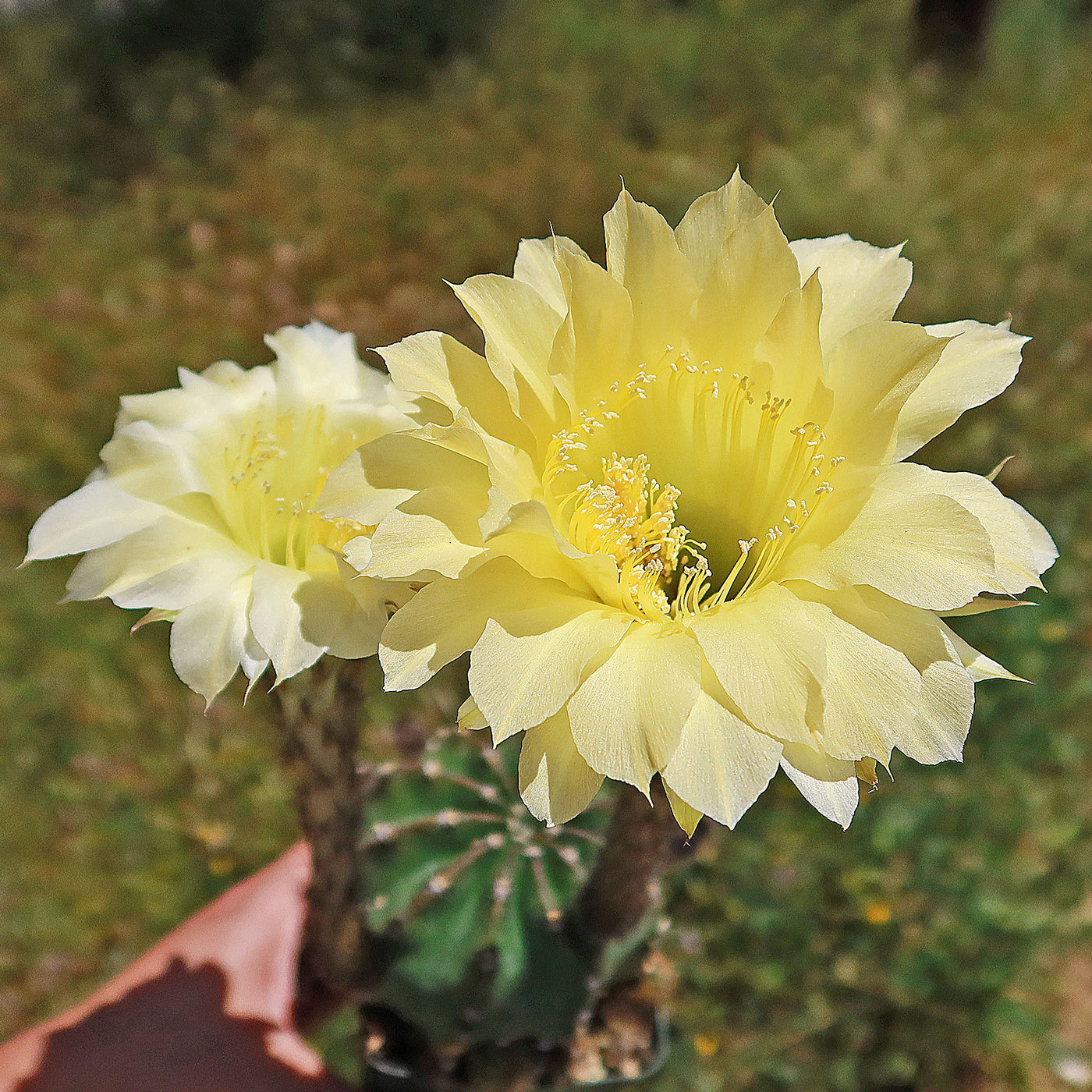
cactus lily flower Easter Lily Cactus 'Echinopsis oxygona'- Order OnlineLooking for a low maintenance cactus that can add some charm to your indoor or outdoor space? Look no further than the Echinopsis oxygona (previously known as Echinopsis multiplex) native to South America! It is commonly known as the Easter Lily Cactus due to its large, white, lily like flowers that bloom during the Easter season. It is also known as the easter lily plant or night blooming cereus. It gets its botanical name from the Greek words
Looking for a low-maintenance cactus that can add some charm to your indoor or outdoor space? Look no further than the Echinopsis oxygona (previously known as Echinopsis multiplex) native to South America! It is commonly known as the Easter Lily Cactus due to its large, white, lily-like flowers that bloom during the Easter season. It is also known as the easter lily plant or night-blooming cereus. It gets its botanical name from the Greek words "ehinus" (hedgehog) and "opsis" (spines and shapes).
This fast-growing easter lily cactus has a ribbed stem that can grow up to 12 inches tall and 6 inches wide. It has a cylindrical, globular body that is light green in color and covered in white spines. With sweetly scented, funnel-shaped white, yellow, or pink flowers, these easter lily cactus bloom once a year around easter or early summer. It has very large, fragrant nocturnal flowers, and many plant lovers are willing to care for it all year for one or a few magical nights with exotic charm. On warm days in summer, the Echinopsis oxygona flowers bloom at dusk and wilt the following afternoon.
It is a relatively rapidly growing species that will make large clumps given the best conditions. The easter lily cactus is extremely resistant to cultivation and easily propagated by offsets from the mother plant. This mat-forming easter lily cactus plant is sure to be a hit with both experienced gardeners and beginners alike.
Watering Needs
The Easter Lily cactus is a drought-tolerant plant that requires minimal watering but not too much moisture. Overwatering can cause root rot and other issues. The Echinopsis cactus should be watered sparingly, allowing the soil to dry out completely before watering again. During the growing season, which is typically in the spring and hot summer seasons (the blooming period), it should be watered once every 2–3 weeks.
Because there is much more sun exposure, even on a shaded porch, a potted Easter lily cactus kept outside typically requires more water than the same plant kept indoors.
In the winter months, the cactus plant should be watered even less frequently, about once a month. When watering the Easter Lily plant, it is important to use well-drained soil and a pot with drainage holes. The cactus should be watered until the soil is moist but not soaked. Any excess water should be allowed to drain out of the pot.
Light Requirements
The Easter Lily cactus requires bright full sunlight or partial shade to thrive. Native to warm locations, this cactus is used in bright, sunny conditions. However, prolonged direct sunlight can burn the Echinopsis cactus and cause damage. Therefore, it is best to place it in a location where it can receive bright light for most of the day. If you are growing the easter lily cactus indoors, a south-facing window is a good choice.
If the Easter Lily cactus is not receiving enough light, it may become leggy and weak. It may also fail to flower. If this occurs, it is important to move the cactus to a brighter location. If the cactus is receiving too much light, the cactus may turn yellow or brown, and it may become dehydrated. In this case, the easter lily plants should be moved to a location with less direct sunlight.
Optimal Soil & Fertilizer Needs
The Easter Lily cactus prefers well-draining potting soil that is slightly acidic. We believe the best option is to use Go to soil cactus mix blend 1 gal 4 qt cacti succulent dirt compost growing media that contains 5 natural substrates and organic mycorrhizae to promote the development of a strong root system that helps your cactus to thrive. The soil should not be too heavy or compact, as this can lead to issues with drainage and root rot. A pot with drainage holes is also important to ensure that excess water can drain out of the soil.
During the growing season, which is typically in the spring, the easter lily cactus benefits from occasional fertilization as a portion of plant food. A balanced natural fertilizer (NPK) can be used once a year to encourage healthy growth and flowering. However, it is important not to over-fertilize the easter lily cactus, as this can lead to salt buildup in the soil and other issues. During the winter months, this cactus does not need to be fertilized, as it can cause stunted growth or other fungal diseases.
Hardiness Zones & More
The Echinopsis oxygona is hardy in USDA hardiness zones 8 to 11. This means that it can tolerate temperatures down to 25 degrees Fahrenheit and is resistant to light frost for short periods. If you live in a colder climate, the easter lily cactus should be grown in a container and brought indoors during the cold weather.
In addition to its hardiness zone requirements, the easter lily cactus prefers warm temperatures and does best in temperatures between 65 and 74 °F. It also prefers low humidity, so it may not do well in areas with high humidity levels.
With the help of the Echinopsis oxygona easter lily cactus, you'll start to spend less time maintaining your garden and more time taking in its beauty!
Shipping Notes
- Free Standard Shipping on $100+ Orders to the USA.
- Except Preorder products are shipped in 48 hours.
- Delivery to the USA:
- Standard Shipping : 3-10 business days
- If time is of the essence, please consider selecting expedited delivery for faster service.
Exchange/Return Notes
- We offer a 30-day return/exchange service after receiving.
- Final sale items are not eligible for returns or exchanges.
- To process your return/exchange, please contact us at [email protected]
- Please click here for more details>>> Return & Exchange Policy