Needles For B12 Injection Can insulin needles be used for B12 injections?
Can Insulin Needles Be Used for B12 Injections? A Cautious Consumer Review for Young Women
B12 injections have gotten more attention lately because they’re often considered when fatigue, dietary gaps, or lab-confirmed deficiency show up—yet many people still want something manageable at home. That’s where the specific question comes in: can insulin needles be used for B12 injections? In this consumer review, I’ll treat that question the way I would if I were shopping for supplies: objectively, cautiously, and with a focus on fit, technique, and safety rather than promises.
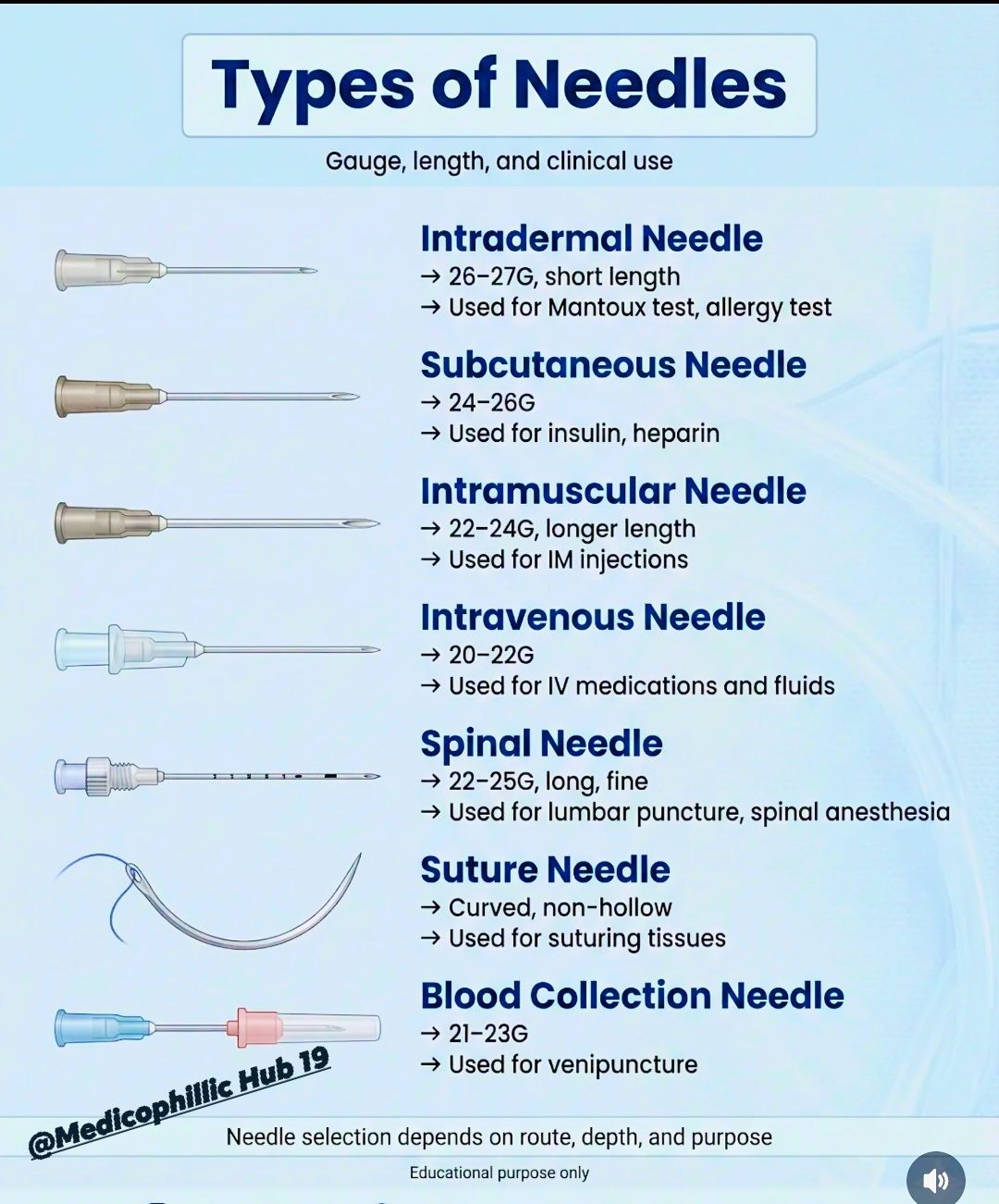
Quick headline answer: can insulin needles be used for B12 injections depends on the product, the route (SC vs IM), and the needle’s size (length and gauge). Many insulin needles are designed for subcutaneous injection of smaller volumes, and some B12 injection regimens are also subcutaneous—so the match can be reasonable. But if your B12 prescription is intended for IM use, the needle choice matters more. Using the wrong needle can lead to poor absorption, repeated soreness, or technique-related leakage.
What Can Insulin Needles Be Used for B12 Injections? Is and Who It Might Fit Best
Insulin needles are typically paired with insulin syringes and come in short lengths meant for subcutaneous tissue. They often feel “easier” for first-time injectors because the needle is thin and the syringe barrel is compact. If your clinician told you to inject B12 subcutaneously and the prescribed dose is within a typical syringe volume, an insulin needle can be a practical option for can insulin needles be used for B12 injections—especially if you have needle anxiety or limited dexterity.
Who it might fit best:
- Young women who are needle-cautious and prefer smaller syringes for home dosing.
- People following a clinician-approved SC B12 injection routine.
- Those who need consistent, repeatable technique and want a predictable needle length.
Who should pause before using insulin needles for B12 injections:
- If your prescription specifically instructs IM (intramuscular) injection, the needle length often needs to reflect that route.
- If your B12 formulation is noticeably thicker or your practice pulls back or “drags,” the viscosity may make the draw and injection less comfortable.
- If you have frequent skin reactions or a history of injection site complications, your clinician may recommend a different needle type.
Practical Benefits and Where It Falls Short
The appeal of insulin needles for B12 injections is mostly practical: they’re small, often easy to handle, and can reduce the fear factor. For someone asking can insulin needles be used for B12 injections, the “benefit” isn’t magic—it’s that the setup can be less intimidating.
Where it falls short: the match may be imperfect even when the needle “goes in” correctly. You can still get: (1) more soreness if you inject too shallow or too repeatedly into the same spot, (2) leakage if the angle or depth isn’t consistent, (3) frustration if the medication draw is harder due to vial style or formulation.
Personal experience case (the “worked” one):
I helped a friend who was prescribed B12 injections with an SC routine and a short, predictable weekly schedule. She asked me directly whether insulin needles could be used for B12 injections, because her pharmacy gave her a small insulin-style setup. She used a consistent routine: clean hands, alcohol wipe on the vial top, slow draw, and injection into the fatty area she could pinch easily. Over about 10–14 days, she reported less “general fatigue fog” and, more importantly, she stopped dreading the process. The injection sites stayed mildly tender for a day or two, then improved. For her, insulin needles for B12 injections felt like a good fit because the route matched the needle design and the routine stayed consistent.
Negative case (the “didn’t feel right” one):
Another case I heard about was more cautionary. A young woman used insulin needles for B12 injections even though her written instructions emphasized IM technique. After several doses, she developed persistent redness and a swollen, warm area at the injection site. She also noticed medication “tracking” back out, especially when she rushed the injection or changed angles between tries. She eventually paused and switched to the injection approach her clinician recommended. That’s the core lesson: if your B12 injections are intended for IM, the answer to can insulin needles be used for B12 injections stops being simple. She didn’t have a dramatic emergency, but her body clearly wasn’t comfortable with the mismatch.
What Research Suggests and What It Doesn't
When you search can insulin needles be used for B12 injections, you’re essentially asking about needle interchangeability and whether needle size changes the outcome. Research can tell you a few things, but it doesn’t always give a clean “yes/no” for every product and route.
What evidence can support:
- In general, injection outcomes depend heavily on route (SC vs IM), technique, and consistent dosing—not just needle “brand.”
- For subcutaneous injections, shorter needles are commonly used in practice because they target the intended tissue layer.
What evidence often can’t guarantee:
- Direct head-to-head studies on insulin needles vs other needles specifically for B12 across every formulation, dose, and injection guideline.
- Predicting how your personal body will respond to a new needle size (soreness and redness vary by individual).
Practical risk emphasis (because this is where consumer stories matter): If you’re unsure whether your prescription is SC or IM, or you’re changing needle length without matching route, you’re taking on avoidable variables. Even when can insulin needles be used for B12 injections might be “theoretically” plausible for SC, it’s still safer to align with the instructions you were given.
Ingredients, Formats, and Quality Signals
Let’s separate the medication from the needle. The needle question (can insulin needles be used for B12 injections) depends on the B12 product format and your injection route. Here are the common medication formats you might see in prescriptions:
- B12 injection solution (often in single-dose or multi-dose vials)
- B12 prefilled syringe (less handling, fewer transfer steps)
- Oral cyanocobalamin or methylcobalamin (not an injection, but often the alternative people compare)
Quality signals to look for on the medication side:
- Clear label showing the form (commonly cyanocobalamin or methylcobalamin), concentration, and dose instructions.
- Expiration date and storage requirements (temperature, protection from light).
- Vial integrity (no visible particles, no cloudiness where it shouldn’t be).
Quality signals to look for on the needle/syringe side:
- Needles labeled for sterile injection use and proper compatibility with the syringe type.
- Needle length and gauge information you can match to SC vs IM instructions.
- Packaging that remains intact and sterile until the moment you inject.
From a consumer-review perspective, the “best sign” is simple: if your clinician or pharmacist explicitly said your prescribed route can be done with that needle type, you’re starting from safer ground. If not, treat can insulin needles be used for B12 injections as a decision that needs alignment, not guessing.
If you’re using a multi-dose vial, good handling matters. Disinfect the vial top each time, use clean syringes, and avoid touching sterile needle tips to anything non-sterile. If your vial arrives already loaded in a syringe, you reduce steps (and reduce opportunities for mistakes).
Comparison of Common Options
Below is a practical comparison based on typical consumer use patterns. Your clinician’s instructions for your specific B12 prescription should override “typical.”
| Format | Typical Dose/Use | Pros | Cons | Cost | Best For |
|---|---|---|---|---|---|
| Insulin needles (short, thin) | Often used for SC dosing when prescribed | Small, less intimidating; easier hand control | May be too short for IM instructions | Often low | SC B12 plans with careful technique |
| Standard syringe + smaller-gauge needle (SC-compatible) | SC dosing with route-specific guidance | More flexibility with needle length matching | Still requires confident technique | Low to moderate | People switching away from insulin-style setups |
| Standard syringe + longer needle (IM-compatible) | IM dosing when prescribed | Matches IM route better | May feel more uncomfortable; technique-sensitive | Moderate | IM B12 injection instructions |
| Prefilled B12 injection syringe | Single-dose or pre-measured routine | Fewer steps; reduced draw error | Less customization; may cost more | Moderate to higher | Busy schedules, beginners, reduced handling |
| Oral B12 (alternative) | Daily/weekly pills or sublingual options | No needles; simple routine | Not the same as injection route; absorption varies | Low to moderate | When injections aren’t desired or are hard to administer |
Buying Framework and Red Flags
If you’re deciding whether can insulin needles be used for B12 injections, treat it like supply selection with guardrails. Here’s a checklist I’d use before the first dose.
- Route match: Confirm whether your B12 injections are prescribed for SC or IM.
- Needle size info: Check needle length and gauge; don’t assume all insulin needles work the same.
- Medication compatibility: Make sure your syringe/needle pairing fits the vial or pre-measured format.
- Clear dosing: Verify the dose in mL (or units) on your prescription before drawing.
- Handling plan: Plan where you’ll inject, how you’ll store supplies, and how you’ll dispose of sharps safely.
Red flags (stop and ask your clinician/pharmacist if any apply):
- You’re unsure whether your B12 injection is SC or IM.
- You notice persistent leakage, repeated injection-site lumps, or escalating pain with each dose.
- New or worsening swelling, warmth, or spreading redness after injections.
- The medication looks wrong (particles, unusual cloudiness), or you can’t draw it cleanly without excessive force.
- You feel you’re guessing about technique each time rather than executing consistently.

Common Mistakes and How to Avoid Them
In consumer practice, the “mistakes” aren’t only about the needle—they’re about consistency. When people ask can insulin needles be used for B12 injections, they sometimes focus on needle size while missing the technique and handling details that drive real-world comfort.
- Assuming needle interchangeability: If you’re switching between insulin needles for B12 injections and a different needle type, confirm route alignment.
- Changing injection sites randomly: Repeatedly injecting in the exact same area can increase soreness. Rotate sites as instructed.
- Injecting too fast: Speed can increase pressure sensation and leakage. Slow and steady is usually easier on the tissue.
- Rushing vial handling: Skipping disinfection steps with multi-dose vials can increase contamination risk.
- Not tracking reactions: Mild soreness can be normal; persistent redness, warmth, or worsening symptoms should be treated as a signal to reassess.
Also: don’t “solve” technique discomfort by repeatedly re-inserting the needle. If something feels off, pause and reassess your setup and method. This is especially important when your question is can insulin needles be used for B12 injections, because the needle choice can influence whether the injection feels smooth or problematic.
FAQ
Is it proven that insulin needles can be used for B12 injections?
There isn’t a universal, one-size-fits-all “proven” rule for every B12 formulation and every route. In general, insulin needles are designed for subcutaneous injection, so if your B12 injections are prescribed for SC, the idea can be reasonable. If your B12 injection is intended to be intramuscular, needle choice matters more. Treat can insulin needles be used for B12 injections as a route- and prescription-specific question rather than a blanket claim.
How long does it take to notice results after B12 injections using insulin needles?
Even with the correct needle and technique, results vary widely by the reason you started B12 and your baseline labs. Many people discuss changes over 1–2 weeks, while others notice gradual improvements over several weeks. Soreness at the injection site can be immediate, while “feeling better” is usually not instant.
What side effects can happen when using insulin needles for B12 injections?
Common, usually mild effects can include temporary tenderness, slight redness, or a small lump at the injection site. Less common issues include persistent or worsening redness/warmth, significant swelling, or reactions that don’t improve between sessions. If symptoms escalate, it’s a red flag to contact a clinician.
Can you combine B12 injections (using insulin needles) with oral B12 or other supplements?
People sometimes combine forms, but whether you should depends on your labs, your prescription, and what else you take. If you’re using injection B12 and also taking oral B12, it’s worth confirming the total plan with a clinician or pharmacist to avoid accidental overdoing—especially if your regimen was already targeted.
Is oral B12 better than injections if you want to avoid needles?
Oral B12 can work for many people, but absorption depends on the reason for deficiency (for example, dietary insufficiency versus certain absorption-related conditions). If you were prescribed injections, there may have been a reason. If you want an alternative, discuss oral dosing and expectations rather than assuming it’s identical to injections.
A Practical 2-Week Experiment Framework
If you’re considering can insulin needles be used for B12 injections and your prescription route supports SC, you can run a structured “comfort and technique” trial for two weeks. This is not about proving efficacy—it’s about reducing preventable errors and watching for red flags.
| Day/Period | Goal | What to Do | What to Record |
|---|---|---|---|
| Day 1 | Set up safely | Confirm SC vs IM route; prepare supplies; pick a rotation site. | Any difficulty drawing medication; comfort level 0–10. |
| Day 2–3 | Check immediate tolerance | Monitor injection site; avoid re-injecting into the same spot. | Redness size (roughly), tenderness duration, any swelling. |
| Day 4–7 | Practice consistency | Use the same technique steps; slow injection; keep hygiene consistent. | Leakage/track-out if it happened; ease of administration. |
| Day 8–13 | Assess “pattern” not “one-offs” | If you’re injecting on a schedule, note how the next dose compares. | Changes in discomfort, skin reaction frequency. |
| Day 14 | Decide whether to continue or reassess | If you saw worsening redness/warmth or repeated technical issues, pause and consult. | Summary: what improved, what failed, and what you’d change. |
If, during this two-week period, you experience symptoms that feel like more than normal soreness—especially increasing warmth, spreading redness, or persistent swelling—don’t “push through.” That’s one of the key safety lessons when can insulin needles be used for B12 injections is being tested in practice.
About the Author
Ava Morgan is a clinical supplies reviewer who has spent the last several years evaluating home-injection tools—syringe ergonomics, needle handling, vial draw usability, and patient-facing technique clarity. Her work focuses on how real people perform injections, how supplies affect comfort, and how to spot product or technique mismatches early. She is not a clinician and does not provide medical treatment advice; this article is for consumer education only. Always follow the injection route and dosing instructions provided by your prescriber or pharmacist, and seek professional help for unusual reactions or symptoms.
Discussion