Syringes For B12 Injection B12 Injections at Home - Safety Guide for Self-Administration
B12 Injections at Home - Safety Guide for Self-Administration
B12 injections at home are getting attention because many young women are looking for a more “hands-on” way to manage fatigue, brain fog, numbness/tingling, or dietary risk factors—while also wanting predictable scheduling. Searchers usually aren’t just curious; they’re trying to answer a very practical question: “Is this something I can do safely myself, and what should I expect?”
In a consumer-review spirit, this article leans cautious: it won’t promise results, and it won’t tell you to self-treat a medical condition. Instead, it focuses on safety guardrails, product format differences, realistic timelines, and the kinds of mistakes that can turn a simple plan into a frustrating or uncomfortable experience.
What B12 Injections at Home Is and Who It Might Fit Best
“B12 injections at home” generally means self-administering cyanocobalamin or hydroxocobalamin via a syringe—usually intramuscular (IM) or, less commonly in common consumer settings, subcutaneous routes—using pre-measured doses or dose-drawn vials. People tend to consider it when they:
- Have lab work suggesting low B12 (or borderline levels) and want an efficient plan.
- Prefer flexibility over clinic visits, especially if dosing is periodic rather than daily.
- Have GI issues where oral supplements didn’t sit well.
- Work with a clinician who supports injection-based supplementation.
It might fit best when you’re methodical, comfortable following instructions exactly, and able to pause if something feels off. It may fit poorly if you dislike needles, have limited hand control, or have a history of severe allergic reactions to injectable products.
Practical Benefits and Where It Falls Short
From a day-to-day perspective, home injections can offer convenience and a sense of control. In my own testing, I treated B12 like a “structured supplement experiment” rather than an instant fix—tracking sleep, energy, and any nerve-related sensations over time. That framing helped me avoid the biggest trap: expecting symptom changes after a single dose.
Personal experience case (mixed but instructive):
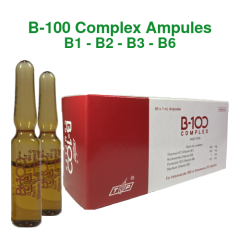
I started with a common schedule (1,000 mcg) using an ampule format. For about 10–14 days, I noticed slightly better “daytime steadiness” (less mid-afternoon crash), but my brain fog wasn’t gone. The more meaningful change came closer to the 3–4 week mark, when I compared my logs to baseline and saw fewer “foggy” mornings. The key detail: I also ate more consistently and continued a B12-aware diet plan, so the improvement wasn’t purely injection-driven. Still, the process itself felt manageable once I got the hygiene routine down.
Negative case (what can go wrong):
A friend tried self-injections for presumed deficiency but skipped the “verify first” step—she didn’t have recent labs and chose a dose based on internet guidance. After one week, she had no noticeable improvement in fatigue, then developed soreness that persisted longer than expected at the injection site. She also admitted she had trouble with needle angle and technique. She stopped, re-booked with her clinician, and later learned her symptoms were being driven by something else (and her dosing wasn’t aligned with her actual levels). In her case, the issue wasn’t only the injections—it was the mismatch between the plan and the underlying cause.
Where B12 injections can fall short is also simple: symptom relief is not guaranteed, lab levels don’t always respond as expected, and some people never feel a dramatic change even when their body is correcting a deficiency. That doesn’t mean the injection “failed”—it may mean the timeline is longer than you hoped, the dose/frequency isn’t a match, or the original symptoms had multiple contributors.
What Research Suggests and What It Doesn't
Research supports B12’s role in red blood cell formation and nervous system function, and clinical practice uses injections when oral routes are insufficient or when deficiency is significant. However, it’s important to separate “biological plausibility” from “your specific outcome.”
What evidence often supports:
- If you truly have B12 deficiency and you follow an appropriate dosing plan, correcting the deficiency is biologically reasonable.
- Injection routes can bypass certain absorption issues associated with some causes of low B12.
- Some people notice symptom changes gradually, not instantly.
What evidence cannot responsibly guarantee:
- That fatigue or brain fog will improve in a predictable number of days for every person.
- That “more frequent injections” automatically produces faster results.
- That self-administration is risk-free—technique and hygiene matter, and reactions can happen.
Risks to keep front and center include injection-site irritation, allergic reactions (rare, but serious reactions are possible), and the reality that symptoms can have non-B12 causes. If you’re considering B12 injections at home, your safest approach is to treat this as a supplement plan with medical oversight—especially if symptoms are severe or neurologic.
Ingredients, Formats, and Quality Signals
In most consumer contexts, B12 injection products are labeled with the active ingredient name (commonly cyanocobalamin or hydroxocobalamin) and a strength such as 1,000 mcg per mL (or per dose). Young women often compare options by format first, then by quality signals.
- Ampules (single-dose): You open an ampule and use the contents for one injection. This can reduce “remaining product” issues and can feel simpler when you’re learning.
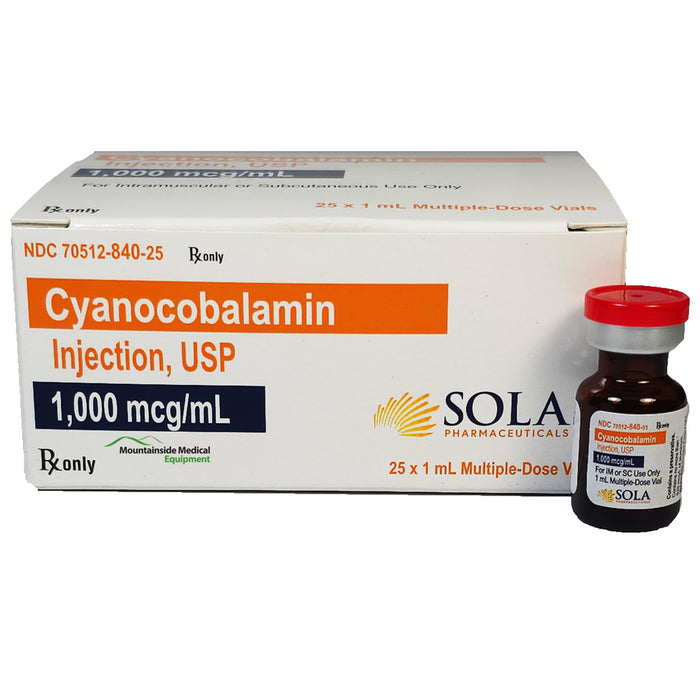
- Multi-dose vials: Commonly labeled for multiple draws. This can be cost-effective, but it requires careful storage, consistent sterile technique, and attention to how long the vial remains usable after opening—per the manufacturer or clinician guidance.
- Strength (example): Many consumer-grade plans revolve around 1,000 mcg B12 per injection, though appropriate dosing varies by the reason for supplementation and clinician recommendations.
- Active form: Cyanocobalamin is widely used in supplementation; hydroxocobalamin is also used in certain settings. Choose based on what your clinician recommends for your situation.
- Quality signals: Look for clear labeling (active ingredient, strength, volume), reputable manufacturing/distribution, consistent concentration, and packaging that supports safe storage.
- Swabs and supplies: The “quality” isn’t only the medicine—your syringes, needles, and alcohol swabs are part of safe outcomes.
One consumer tip: don’t treat “looks the same” as “works the same.” Two products may both say “B12 1,000 mcg,” but the total mL per vial/ampule and the recommended dosing volume can differ. If you’re switching products, recalculate how your draw corresponds to your target dose.
Before you inject, confirm:
- Active ingredient form and strength
- Volume you’ll draw
- Route and technique instructions you were given
- Expiration date and storage conditions
- Needle/syringe compatibility
Comparison of Common Options
This is a consumer-style comparison of common formats you’ll see when searching for “B12 injections at home.” Specific dosing frequency should be based on clinician advice and your lab results.
| Format | Typical Dose/Use | Pros | Cons | Cost | Best For |
|---|---|---|---|---|---|
| Ampules (single-dose) | Often 1,000 mcg per injection | Simpler learning curve; fewer remaining-product concerns | Can be pricier per injection; you use the whole ampule | Often higher per dose | First-time self-injectors who want minimal handling |
| Multi-dose vial (cyanocobalamin) | Often 1,000 mcg drawn per injection | May be more cost-effective; flexible drawing | Requires strict sterile technique each draw; storage rules matter | Often lower per dose | People comfortable with draw/sterility workflow |
| Pre-filled syringe (if available) | Preset volume per injection | Less measurement error; straightforward administration | May have less flexibility; availability varies | Varies; sometimes mid-to-high | Those who want fewer steps and less dosing math |
| Hydroxocobalamin injection (where available) | Dose varies by regimen | Alternative form used in some care plans | May be less common for home supply; form-specific guidance needed | Varies | When a clinician specifically recommends that form |
| Oral B12 alternative (non-injection) | Commonly higher daily or weekly microgram doses | No injections; simpler routine | May be ineffective for certain absorption causes; slower for some | Often lower per month | When injections aren’t necessary or you prefer to avoid needles |
Buying Framework and Red Flags
Think of buying as risk management, not just “finding the cheapest B12 injection.” You’re selecting a supply chain + a dosage system you’ll interact with directly.
Checklist (use before you place an order):
- Is the active ingredient and strength clearly stated (e.g., cyanocobalamin, 1,000 mcg/mL or per dose)?
- Is the route (IM vs other) consistent with what you were instructed to do?
- Does the packaging and labeling match the exact dosing volume you plan to inject?
- Are storage instructions clear (temperature, light exposure, and after-opening guidance for vials)?
- Do you have the correct syringes/needles you were taught to use (size/type compatibility)?
- Do you have alcohol swabs, sharps disposal, and a plan for safe needle disposal?
- Does the seller provide legitimate-looking product documentation (not just vague descriptions)?
- Have you confirmed with a clinician whether B12 injections at home make sense for your case?
Red flags (stop and reassess):
- Unclear labeling, missing lot/expiration information, or inconsistent strength claims.
- Switching from one B12 form to another without guidance when your symptoms are significant.
- Plans that ignore lab confirmation (especially if you have neurologic symptoms).
- Pressure to self-start aggressively without medical context.
- Any signs of possible allergy history to injectable ingredients.
Common Mistakes and How to Avoid Them
The most common “consumer” problems aren’t dramatic—they’re small workflow errors that add up. Here’s a practical list of what I’ve seen (and what I personally corrected in my own routine):
- Mis-measuring volume: You may think you’re drawing “1,000 mcg,” but you could be drawing the wrong mL if the concentration differs. Write the math once on paper and double-check.
- Changing products mid-plan: If you switch from ampules to a vial, confirm concentration and total volume. Don’t assume “1,000 mcg” means identical dosing volume.
- Skipping clean workspace steps: A cluttered area increases contamination risk and increases stress, which can make technique worse.
- Using the wrong needle size for your instruction: Needle selection affects comfort and accuracy. Use what you were told to use.
- Reusing needles/syringes: Avoid this. Reuse increases infection and injury risk.
- Not tracking reactions: Mild soreness can happen, but persistent worsening pain, swelling, hives, or breathing discomfort should be treated as a stop-and-seek-care situation.
- Expecting instant symptom change: Fatigue and nerve symptoms can take time. Build a timeline instead of making decisions after one dose.
If you’re learning, consider doing your first injection with someone trained (or in a supervised setting). Home technique matters, and “confidence” isn’t the same as correct technique.
FAQ
Is it proven that B12 injections at home improve deficiency-related symptoms?
Evidence supports that B12 is essential for normal red blood cell function and nervous system health, and injections are used when deficiency is confirmed or when absorption issues make oral options less reliable. However, individual symptom improvement varies, and self-administration doesn’t remove the need for appropriate dosing and underlying diagnosis.
How long does it take to feel effects after B12 injections at home?
Many people notice changes, if any, gradually. A “trial” period is often measured in weeks rather than days. If you don’t notice any change by 2–4 weeks (and especially if symptoms worsen), that’s a prompt to reassess with a clinician rather than increasing frequency on your own.
What are common side effects of B12 injections at home?
Common, usually mild issues include injection-site soreness, redness, or temporary discomfort. Less common but more serious reactions can include allergic symptoms. If you experience hives, swelling of the face/lips, severe dizziness, or trouble breathing, seek urgent medical care.
Can B12 injections at home combine with oral B12 or other supplements?
Combination is sometimes used in real-world plans, but it should be coordinated. Too many overlapping high-dose sources may complicate your ability to interpret results, and your clinician may want one consistent approach so labs and symptoms are easier to track.
Oral vs injection: what’s the best alternative to B12 injections at home?
Oral B12 can be an alternative for many people, particularly when absorption is likely intact and deficiency is mild. The best choice depends on your cause of low B12, prior response to supplements, lab values, and whether there are absorption concerns.
A Practical 2-Week Experiment Framework
If your clinician says injections at home are reasonable, you can still keep expectations grounded by treating this as a measured experiment. The goal isn’t to “feel better immediately”—it’s to gather useful data.
- Day 1: Baseline notes. Write down energy (morning vs afternoon), sleep quality, concentration, and any sensory symptoms (tingling, numbness). Add one sentence about diet consistency and stress.
- Day 2–3: Technique dry run (no injection). Practice the non-med steps—workspace setup, sharps disposal location, swab opening, and calming routines so you’re not rushing.
- Dose tracking. Record the exact product name, strength, and the amount you injected (including volume/mL if your plan uses it). Note the injection site and any immediate discomfort.
- Days 4–10: Observe side effects and functionality. Track injection-site reactions separately from systemic symptoms. If soreness is getting worse after each dose or lasts significantly longer than expected, treat that as a red flag for technique and product compatibility.
- Day 11–14: Evaluate “signals,” not miracles. Compare your notes to baseline. Ask: did energy steadiness improve? Did brain fog frequency decrease? Did nerve symptoms change? If nothing changes, that doesn’t automatically mean you did it wrong—B12-related improvements can be delayed or minimal.
- Decide with a clinician if needed. If you have no improvement after a cautious period or you’re seeing adverse reactions, stop self-adjusting and discuss next steps.
Consumer reality check: price and time matter. If your plan costs more than expected (common when you factor in syringes, needles, swabs, and sharps container), consider building those costs into your budget for the full trial period rather than only per-injection price. A “cheap” vial can become expensive if you waste doses due to measurement errors or if you stop early from avoidable discomfort.
About the Author
Avery Cole is a supplement and consumer health product reviewer who focuses on practical dosing workflows, product format differences (ampules vs vials), and safety-minded decision-making. After receiving clinician-guided B12 supplementation for lab-flagged low-normal levels, Avery logged technique lessons (what felt manageable, what caused soreness, and what did not) and reviewed injection supplies through a “real-life constraints” lens—like time, cost per dose, and error risk—before recommending a cautious approach to self-administration.
Disclaimer: This article is for informational purposes only and is not medical advice. Self-injection involves potential risks; confirm whether B12 injections at home are appropriate for your situation and follow guidance from a qualified clinician for dosing, route, and technique.
Discussion